
Can Hydrangeas Grow in Clay Soil? Master the Challenge

Absolutely, hydrangeas can indeed grow in clay soil! While clay soil has a reputation for being a tough customer in the gardening world, with some care and know-how, you can make it a cozy home for these beautiful blooms.
Hold onto your gardening gloves if you’ve ever gazed longingly at those lush hydrangea blooms and thought your clayey garden soil was a deal-breaker. I will reveal the secrets to turning that stubborn clay soil into a stage fit for hydrangea stardom.
Hydrangeas are like the plant world’s rockstars, thriving in various conditions—even if you’re wondering, ‘Can hydrangeas grow in clay soil?’ With a little knowledge, you can have these beauties flourishing and blooming in your backyard like a chart-topping hit. So, if you’re ready to transform your garden into a hydrangea haven, keep reading.
I’ll try to spill the dirt in the best way possible to make hydrangeas survive and thrive in clay soil.
The Clay Soil Conundrum: Can Hydrangeas Save the Day?
Clay soil may be notorious for gardeners, but fear not! In this article, we’re about to dive headfirst into hydrangeas and clay soil. It’s a dynamic duo poised to transform your garden from drab to fab.
So, get ready to uncover how hydrangeas and clay soil can be a match made in horticultural heaven. Let’s start this thrilling exploration!
Why Hydrangeas?
First things first, why hydrangeas? Well, these beauties are like the rockstars of the garden world. They flaunt big, round clusters of flowers that look like they’ve been plucked straight out of a fairy tale. And guess what? They’re popular enough that they’ve even made appearances in movies. Remember the romantic garden scene in “The Notebook” with those stunning blue hydrangeas? Yeah, those!
Clay Soil: The Notorious Garden Villain
Now, let’s talk about clay soil. If your garden soil feels straight out of a pottery class, you might be dealing with clay. It’s sticky when wet, rock-hard when dry, and can send many gardeners into a frenzy. But here’s the deal – it’s not all bad news.
In some stories, clay soil may be the villain, but it’s not entirely evil. It’s rich in nutrients, holds moisture well, and, if treated right, can become a superhero for your hydrangeas. Remember the wise words of Bob Ross, the legendary painter: “We don’t make mistakes, just happy little accidents.” Your clay soil might just be a happy little accident waiting to happen!
Choosing the Right Variety
Before we start digging, you’ve got to pick the right hydrangea variety. It’s like choosing the right flavor for your ice cream. You wouldn’t put hot fudge on mint chocolate chips, right? Similarly, different hydrangea types have different soil preferences.
For clay soil, your best bet is the Hydrangea macrophylla, often known as the mophead or lacecap hydrangea. They’re the ones that famously change colors based on soil pH, so your clay soil can give them the perfect setting for their show-stopping act.
Before we start digging, you’ve got to pick the right hydrangea variety. While Hydrangea macrophylla (mophead or lacecap) is popular and can tolerate clay, you should prioritize varieties known for their superior resilience to the number one clay soil issue: imperfect drainage.
| Hydrangea Type | Resilience to Clay Soil | Key Benefit in Clay |
| Panicle Hydrangea (H. paniculata) | Excellent (Highest Tolerance) | Extremely forgiving with drainage issues; hardest, most reliable, and least sensitive to temporarily wet roots. Best choice for very heavy clay. |
| Smooth Hydrangea (H. arborescens) | Excellent | Very adaptable and resilient; produces large, white flower heads on new wood, making it reliable even if roots are stressed. |
| Bigleaf Hydrangea (H. macrophylla) | Good/Moderate | Can grow well with proper soil amendment and drainage (Rules 1-3 above); requires the most attention to avoid root rot. |
Preparing the Stage (Soil)
To make your clay soil truly hydrangea-friendly and ensure excellent drainage, you must follow specific rules to avoid creating the common gardening failure known as the “bathtub effect,” where water pools around the hydrangea root system and causes rot.
Rule 1: Dig Wide, Not Deep (Minimize the Bathtub Effect) In heavy clay soil, compaction makes it nearly impossible for roots to grow outwards. If you dig a deep hole and backfill it with fluffy, loose soil, you create a perfect container—the “bathtub”—that draws and traps water from the surrounding dense clay.
- Actionable Step: Dig a planting area that is a minimum of three times wider than the root ball, but no deeper than the root ball itself. This critical step encourages the hydrangea root to grow laterally into the native clay soil, establishing a strong, stable base that is less prone to drowning.
Rule 2: Limit Organic Amendments (The 10% Rule) While organic matter like compost is essential for improving clay structure, adding too much is a common mistake that exacerbates the “bathtub effect.”
- Actionable Step: When backfilling the planting area, do not exceed 5 to 10% of organic matter mixed with your native clay soil. This means for every 9 parts of native clay, add only 1 part of compost. This ratio balances nutrition with structure, ensuring the soil in the hole is not too different from the surrounding clay.
Rule 3: Plant High (The Raised Mound Solution) The most effective way to guarantee drainage in heavy clay is to plant your hydrangea slightly above the existing soil grade.
- Actionable Step: Set the top of the root ball so it sits 1-2 inches above the surrounding soil level. Then, backfill with your amended soil mixture, creating a gentle, raised mound (or berm) around the plant. This simple technique allows excess water to naturally shed away from the hydrangea root crown, providing immediate protection against waterlogging.
Additional Amendment Tip: Using Gypsum Consider incorporating gypsum (calcium sulfate) into your planting routine. Gypsum helps heavy clay particles clump together (a process called flocculation), creating tiny air pockets. This naturally and slowly improves the soil’s structure and drainage without affecting the pH level that governs your flower color.
The pH Game
Now, here’s where the magic happens. Hydrangeas in clay soil can sometimes play hard to get when it comes to flower color. But don’t worry, you’ve got this!
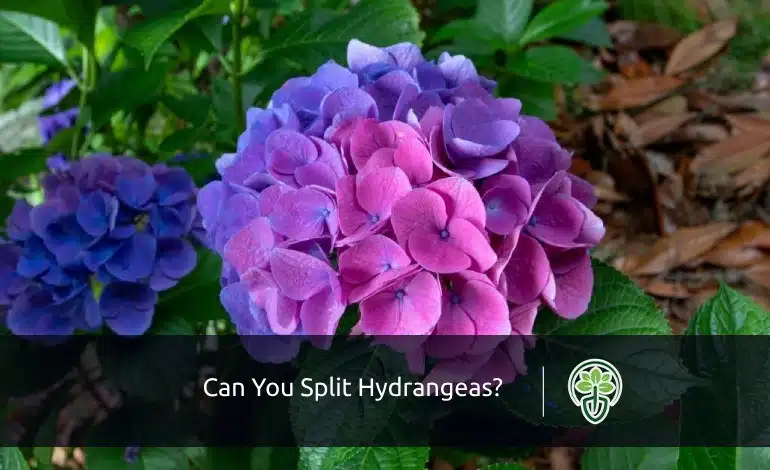
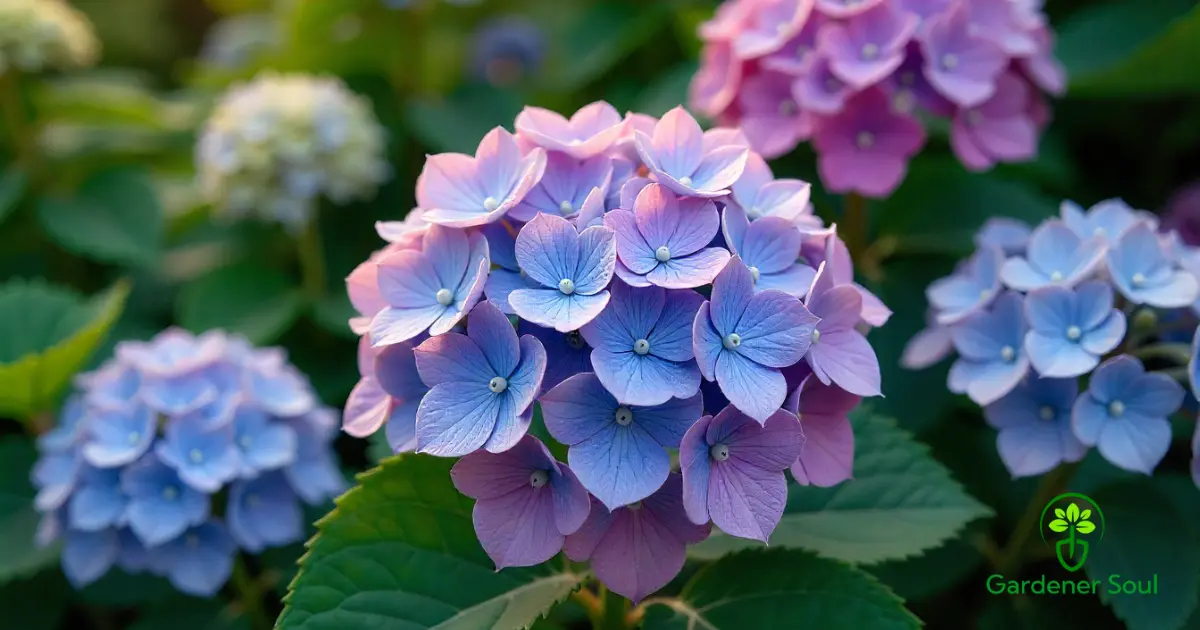
Remember those blue hydrangeas in “The Notebook”? Well, they turn blue in acidic soil. If you prefer pink, you’ll want to sweet-talk your hydrangeas by making your soil more alkaline. It’s like adjusting the volume of your favorite song to get it just right.
You can add things like coffee grounds or sulfur to make your soil more acidic (for blue flowers). Use lime or wood ash to make it more alkaline for a pink hue. It’s all about finding that sweet spot for your hydrangea’s color mood.
Watering: The Show Must Go On
Hydrangeas are known for their thirst, but in clay soil, your watering approach must be highly strategic. Clay forms a dry, hard crust on the surface very quickly, which can trick you into thinking the plant is dry when the soil four inches down is still saturated.
-
The Critical Check: Never water based on the surface appearance. Before watering, stick your finger or a moisture meter 2 to 3 inches deep into the soil.
-
When to Water: Only water thoroughly when the soil at the 2–3 inch depth feels mostly dry. Consistent, deep watering—rather than frequent shallow sprinkles—encourages the roots to grow deep, which is vital for stabilizing the plant in dense clay.
Mulch as a Moisture Regulator:
Applying a 2–3 inch layer of organic mulch (pine bark or wood chips) helps regulate temperature and slows evaporation. Crucially, it also acts as a barrier, preventing the clay surface from forming that hard, impenetrable crust that sheds water instead of absorbing it.
Read More: Full sun hydrangea
Pruning: Keep It Simple
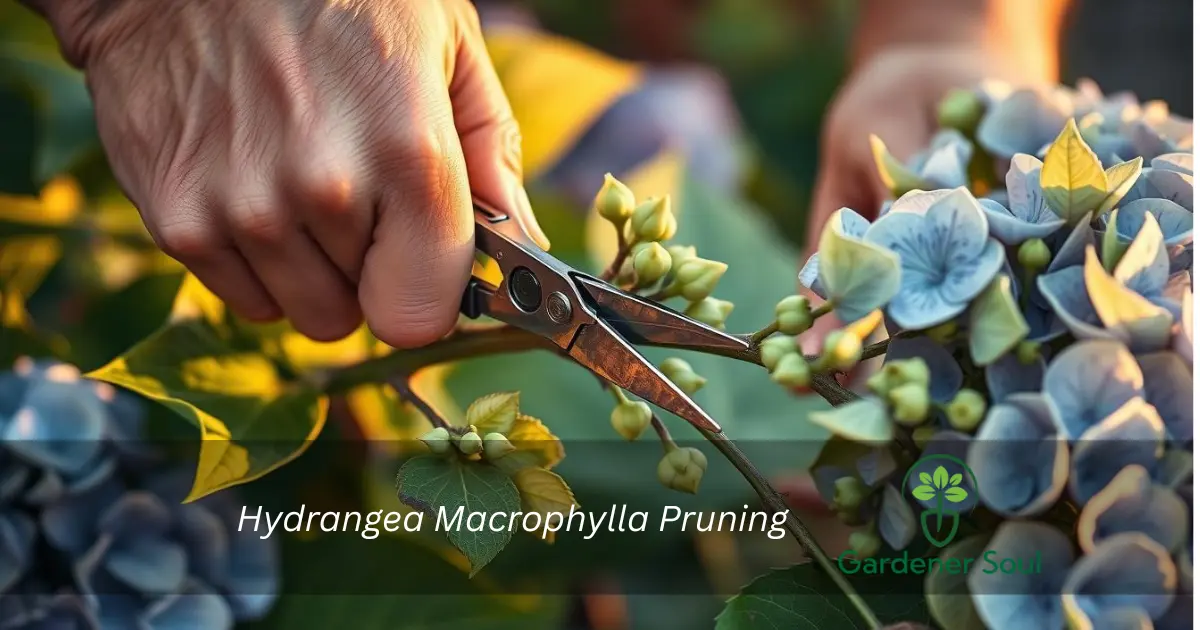
Keep pruning as simple as quoting Yoda from “Star Wars”: “Do or do not, there is no try.” Hydrangeas are pretty forgiving. For most types, just prune them after they finish flowering. Remove dead or weak branches to give your plant some breathing room.
Winter Protection: Cozy Blankets for Your Blooms
Just like you bundle up in winter, your hydrangeas also need protection. After the first frost, cover the base of your hydrangeas with mulch or straw to keep their roots warm and cozy. It’s like giving them a snug blanket for a long winter’s nap.
Read More: Is my hydrangea dead or dormant?
20 Tips for Hydrangea Success in Clay Soil
Now that we’ve covered the basics, let’s explore some additional tips to ensure your hydrangeas truly thrive in clay soil:
1. Fertilize Sparingly
While clay soil is nutrient-rich, you can boost your hydrangeas with a balanced, slow-release fertilizer in the spring. Stay moderate; too much fertilizer can lead to excessive foliage growth at the expense of flowers.
2. Choose the Right Location
The sun exposure rule is critical in clay soil. Select a spot that receives morning sun and afternoon shade, or dappled shade throughout the day.
While partial sun is standard advice, in clay, shade is essential not just for the foliage, but for the soil itself. Intense, full-day sun can bake the heavy clay surface into a hard, concrete-like crust. This crust prevents water absorption and suffocates the shallow roots. Keeping the soil surface cooler and softer is the key to successful root growth and moisture regulation in dense clay.
3. Keep an Eye on Pests
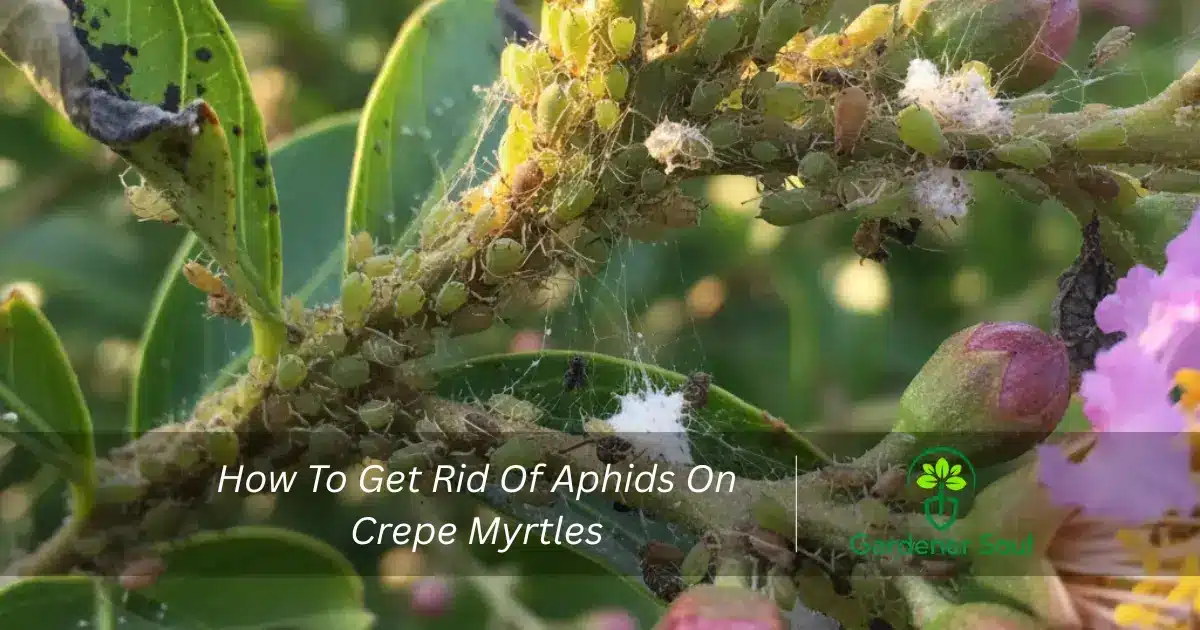
Keep an eye out for common hydrangea pests like aphids and spider mites. Regular inspections and early intervention can prevent these critters from causing significant damage.
4. Hydrangeas Hydration
During the hot summer, your hydrangeas might appreciate a little extra TLC. Consider providing shade or misting the foliage to keep them cool and hydrated.
5. Test Your Soil:
Periodically check the pH of your soil to ensure it’s within the desired range for your preferred hydrangea flower color. Soil test kits are readily available at garden centers.
6. Experiment with Hydrangea Types
While Hydrangea macrophylla is a popular choice for clay soil, don’t shy away from experimenting with other hydrangea varieties. Some may surprise you with their adaptability.
7. Be Patient
Remember, gardening is a labor of love, and results may not be immediate. Give your hydrangeas time to establish themselves in your clay soil, and you’ll be rewarded with stunning blooms.
8. Companion Plants
To enhance the beauty of your hydrangea garden, consider planting companion plants that thrive in clay soil. Hostas, astilbes, and ferns are excellent choices. They complement your hydrangeas and add variety and texture to your garden.
9. Proper Mulching Techniques
While we’ve discussed the benefits of mulching, it’s essential to apply mulch correctly. Leave a small gap around the base of your hydrangeas to prevent moisture-related issues like root rot.
10. Pruning for Different Hydrangea Types
Different hydrangea varieties may require specific pruning techniques. For instance, Hydrangea macrophylla blooms on old wood, so you should prune them immediately after flowering. In contrast, Hydrangea paniculata blooms on new wood, so prune them in late winter or early spring. Understanding these differences can maximize your hydrangea’s blooming potential.
11. Propagation
Once your hydrangea garden is flourishing, why not propagate more hydrangeas? It’s a budget-friendly way to expand your collection. You can propagate hydrangeas from softwood cuttings, hardwood cuttings, or even by layering.
12. Hydrangeas in Containers
If you’re concerned about your clay soil or need more space, consider planting hydrangeas in containers. This gives you more control over the soil composition and allows you to move your hydrangeas to ideal growing conditions.
13. Pest and Disease Management
Stay vigilant for common hydrangea pests and diseases like powdery mildew, scale insects, or leaf spot. Knowing how to identify and manage these issues can prevent them from taking a toll on your plants.
14. Seasonal Care
Hydrangeas require different care during different seasons. In the spring, focus on soil amendment and pruning. In the summer, ensure consistent watering and protection from extreme heat. Prepare your hydrangeas for winter dormancy in the fall by mulching and cutting back dead growth.
15. Garden Design
Remember to plan the overall design of your garden. Consider the height and spread of your hydrangeas, their colors, and how they’ll fit into your landscape. Creating a well-balanced garden layout can make your hydrangea display even more stunning.
16. Harvesting Hydrangea Blooms
Hydrangea blooms aren’t just for the garden; you can bring them indoors to create beautiful floral arrangements. Learn the art of harvesting hydrangea blooms at the right time to enjoy their splendor inside your home.
17. Community and Online Resources
Joining a local gardening club or participating in online gardening forums can provide you with knowledge and support. Fellow gardeners often share valuable tips and experiences specific to your region.
18. Seasonal Themes
Consider planning your garden with seasonal themes in mind. Planting bulbs like daffodils and tulips around your hydrangeas can create a stunning spring display, while adding ornamental grasses can bring a touch of elegance in the fall.
19. Record Keeping
Keeping a garden journal can help you track your hydrangea’s progress, including blooming times, pruning schedules, and any issues you encounter. It’s a handy reference tool for future gardening endeavors.
20. Garden Art and Decor
Adding garden art, decorative stones, or a charming trellis can enhance the overall aesthetics of your hydrangea garden. Personalize your garden space to make it uniquely yours.
Read More: Can hydrangeas come back to life
Soil Testing and Amendments
Before you begin your hydrangea journey in clay soil, getting to know your soil better is essential. Conducting a soil test is like taking a soil health checkup. You can purchase DIY soil test kits or consult your local cooperative extension service for a more comprehensive analysis.
Soil tests provide vital information about your soil’s pH, nutrient levels, and composition. Knowing your soil’s pH is especially crucial when growing hydrangeas because it directly affects flower color. The results will help you decide which amendments to add to improve your clay soil.
Common soil amendments for clay soil include gypsum, which helps break up heavy clay particles, and organic matter, such as compost, well-rotted manure, or peat moss, which enhances soil structure and nutrient content. By amending your soil based on the test results, you’ll create a tailored environment that your hydrangeas will adore.
Moreover, regular soil testing allows you to monitor changes over time, ensuring that your garden remains in top shape for years. It’s like having a map to comprehend your gardening experience, leading you to greater success and more magnificent hydrangea blooms.
Final Thoughts
Growing hydrangeas in clay soil is not only possible but can also be incredibly rewarding. With the right care and a little soil improvement, you can have those breathtaking blooms that rival even the most famous garden scenes from movies.
So, don’t let clay soil scare you away from adding hydrangeas to your garden. With some love, attention, and pH-tweaking, your garden can become a paradise of colorful, fluffy hydrangea blooms.
As Michael Scott once said,
Would I rather be feared or loved? Easy. Both. I want people to be afraid of how much they love me.
That’s how your hydrangeas will feel about you when you make their clay soil dreams come true.
Happy gardening, and may your hydrangeas bloom brighter!
Read More: Hydrangea Wet Soil
FAQs
What color will hydrangeas be in clay soil
The color of your hydrangeas in clay soil depends primarily on the soil’s pH level, not the clay itself.
-
Pink Blooms: Clay soil that is alkaline (pH above 6.5) will result in pink or red flowers. Clay can often be alkaline in certain regions.
-
Blue Blooms: Clay soil that is acidic (pH 5.5 or lower) and contains aluminum will produce blue flowers.
-
Purple/Mauve Blooms: A near-neutral pH (5.5 to 6.5) will lead to shades of purple or lavender.
Which hydrangea is best for clay soil?
The Smooth Hydrangea (H. arborescens) and the Panicle Hydrangea (H. paniculata) are the best choices for clay soil due to their superior tolerance for heavy, less-than-ideal growing conditions.
Will the limelight hydrangea grow in clay soil?
Yes, the ‘Limelight’ Hydrangea (Hydrangea paniculata) will grow successfully in clay soil as it is a highly resilient variety known for its adaptability to challenging conditions. Ensure you amend the planting hole with organic matter to improve drainage and prevent the heavy clay from waterlogging the roots.