Mastering Bigleaf Hydrangea Care in Your Fairy Garden: Tips for Vibrant Blooms

Bigleaf Hydrangea Care doesn’t have to be difficult. Whether you’re planning a fairy garden, improving your urban gardening space, or looking for reliable gardening services advice, this guide will help you grow stunning bigleaf hydrangeas successfully.
Understanding Bigleaf Hydrangea (Hydrangea macrophylla)
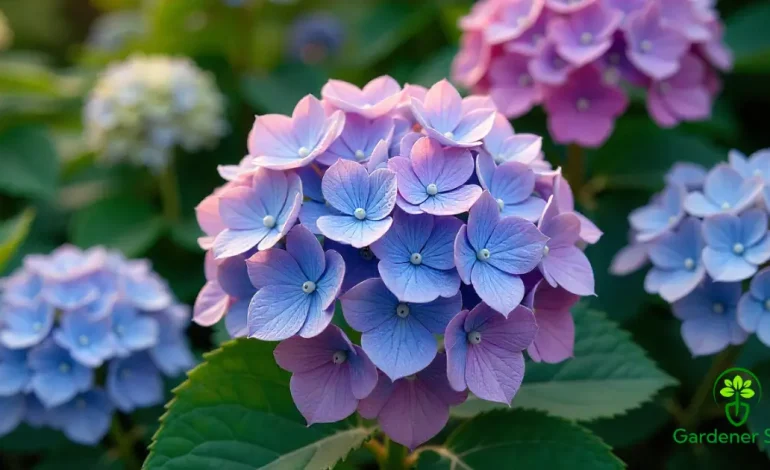
Bigleaf hydrangea, also called French, Japanese, or snowball hydrangea, is a popular flowering shrub that offers stunning blooms from late spring through summer. There are more than 500 known cultivars of bigleaf hydrangeas in the nursery trade, divided into two main groups: hortensias with large snowball-like flower clusters, and lacecaps, which have flat-top flowers with fertile flowers in the center surrounded by more prominent flowers on the outside.
Different Types of Bigleaf Hydrangea
Mophead Hydrangeas (Hortensias): These feature large, rounded flower clusters that look like fluffy pompoms.
Lacecap Hydrangeas: These have flat-topped blooms with small fertile flowers in the center surrounded by larger showy flowers.
Remontant (Reblooming) Types: The introduction of remontant types, those that bloom on both old and new wood, enables plants to bloom regardless of winter damage. This trait also makes it more likely that the bloom season will be extended.
Choosing the Perfect Location for Hydrangea Planting Techniques
Getting the location right is your first step to success. Bigleaf hydrangea prefers morning sun and afternoon shade in moist, well-drained soil. Avoid planting in hot, dry, exposed sites.
Light Requirements
Bigleaf hydrangea performs best in areas with dappled sunlight, partial shade, or deep shade. Protect it from the afternoon sun. For urban gardening on balconies or patios, consider which direction your space faces. East-facing locations work wonderfully for hydrangeas.
Microclimate Considerations
In colder zones, use structures like house walls or fences for protection from harsh sun or winter winds. This is especially important in urban gardening environments where space is limited.
Soil Preparation and Planting
Soil Requirements
Bigleaf hydrangea is tolerant of both clay and sandy soil and has some salt tolerance. Plant it in a site with good drainage, though occasionally wet soil is okay.
How to Plant Your Hydrangea
Apply 50 pounds of composted organic matter per 10 square feet and incorporate it thoroughly into the top 8 to 12 inches of soil with a tiller or shovel. Organic matter helps with soil structure and prevents stress from wet and dry changes.
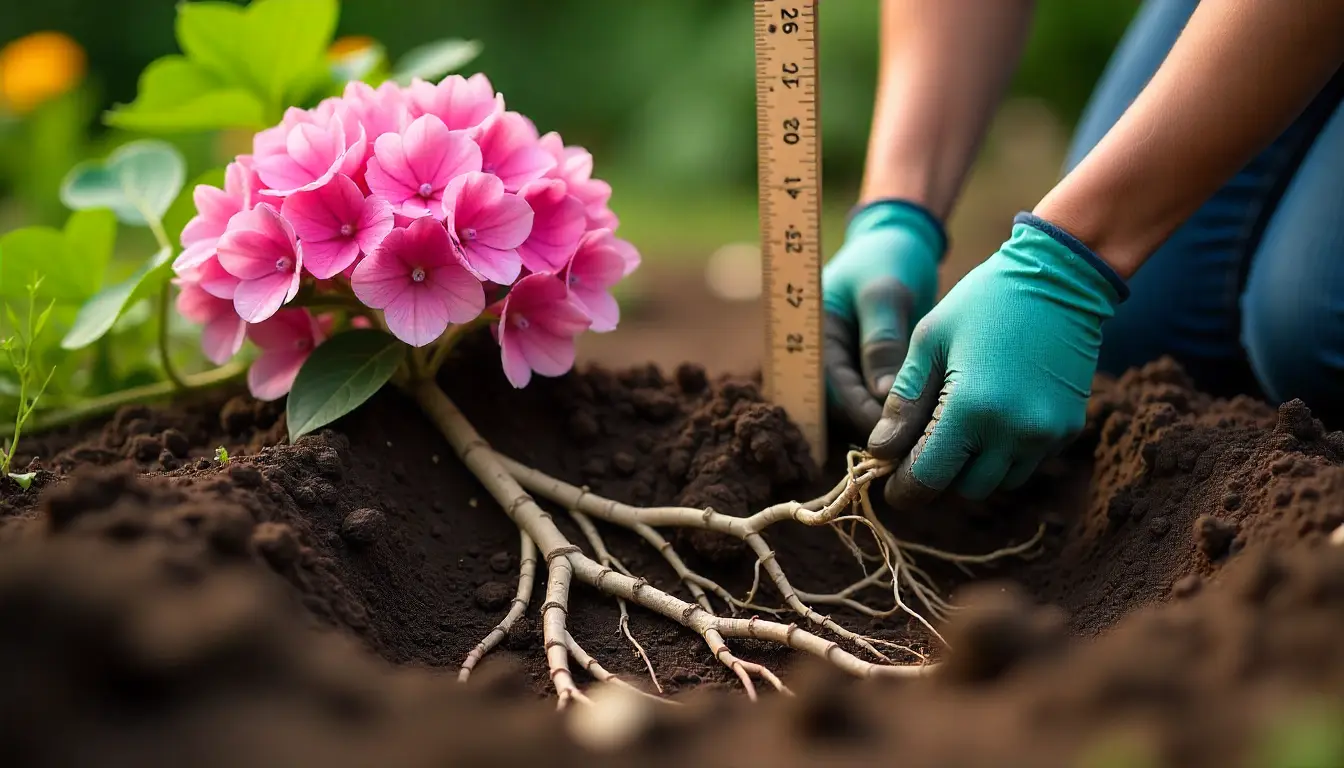
Make certain the top of the root ball is level with the soil surface, and water thoroughly immediately after transplanting. Dig a hole two to three times as wide as the root ball but no deeper than its height.
After planting, apply 3 to 5 inches of an organic mulch, like pine straw, pine bark, or fall leaves, to the soil surface to conserve moisture and control weeds.
Container Growing and Urban Gardening
Bigleaf hydrangea can easily be grown in containers and is an excellent patio plant. This makes them perfect for urban gardening on balconies or small patios; for example, many gardeners wonder if Mathilda Gutges hydrangeas can be planted outside after being kept in containers.
Container Selection
Choose pots that are at least 16-24 inches wide and deep. Make sure containers have drainage holes. For urban gardening in cold climates, select weatherproof containers that won’t crack in winter.
Container Care Tips
Container soil dries out faster than garden soil. Check your hydrangeas daily to ensure the soil stays moist. Water until you see water coming out of the bottom. Use quality potting mix rather than garden soil for better drainage.
Watering Your Hydrangea
Bigleaf hydrangea is a water-demanding plant best suited for the moderate water-use landscape zones. Water whenever the plant begins to wilt in the absence of rainfall. It is particularly important to avoid plant stress in the spring when the flowers are forming.
Recognizing Water Needs
Learn to spot the difference between heat stress and actual dryness. Heat stress causes temporary midday wilting that recovers overnight. True dryness shows wilting that continues into the morning.
For established plants, practice deep, infrequent watering to encourage strong root systems.
Fertilizing for Best Blooms
Bigleaf hydrangea responds to several light applications of fertilizer during the growing season. A general-purpose fertilizer, such as 8-8-8 or 10-10-10, applied at a rate of 1 pound (2 cups) per 100 square feet in March, May, and July, is suggested.
Understanding Fertilizer Numbers (NPK)
The numbers on fertilizer bags represent Nitrogen-Phosphorus-Potassium. Nitrogen promotes green leafy growth. Hydrangeas fertilized excessively with a high-nitrogen fertilizer can sometimes reduce flowering. Use balanced fertilizer in N-P-K or one with high phosphorus content.
It is not necessary to remove the mulch when fertilizing, but do water soon after application to help dissolve the fertilizer and send it into the soil.
When Not to Fertilize
Don’t fertilize until the plant is established, which takes 4 to 8 weeks after transplanting.
Pruning Hydrangeas the Right Way
Understanding the specifics of hydrangea macrophylla pruning is key to getting blooms year after year.
Old Wood Bloomers
Bigleaf hydrangeas generally bloom on old wood, and flower buds are produced at the tips of stems from the previous year. If those buds are killed or damaged over winter, the flowering potential is reduced.
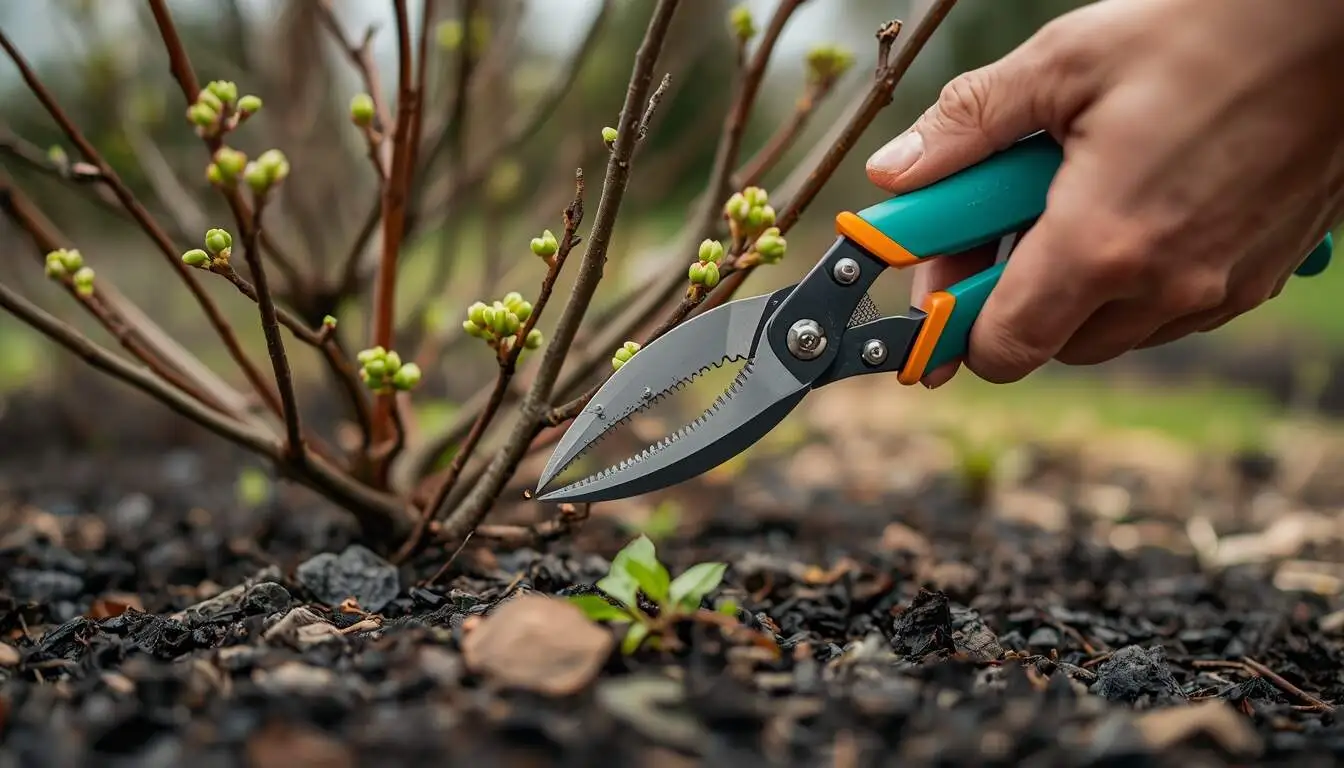
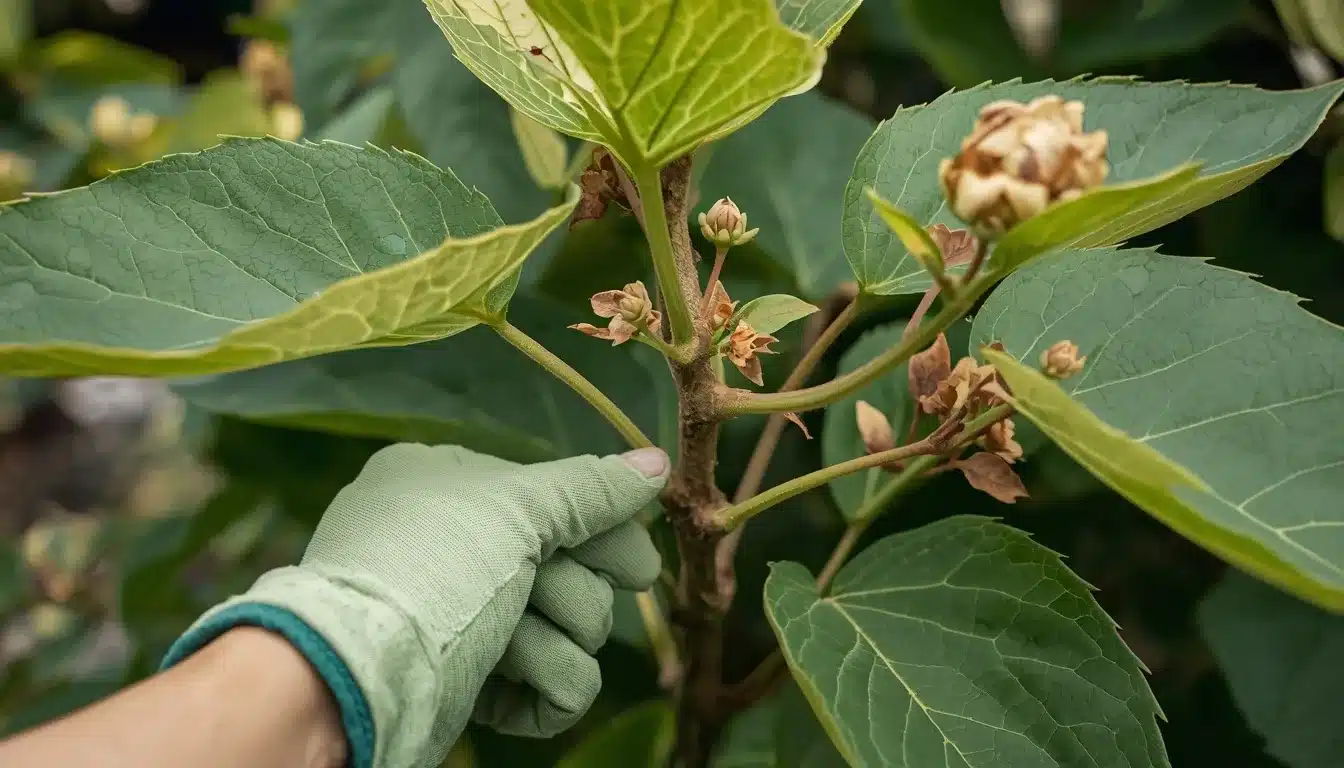
Wait to prune your bigleaf hydrangeas until new growth appears in the spring. Make pruning cuts one-quarter inch above the first set of live buds. Stems with live buds will be green on the inside, while dead stems will be brown.
Reblooming Varieties
Do any pruning before August 1 for the best results. Reblooming types are more forgiving since they produce flowers on both old and new wood.
Simple Pruning Approach
The “lazy prune” method works well: wait until buds swell in spring to easily identify and cut above the highest healthy bud. Remove dead or damaged stems in early spring, cutting them flush to the base.
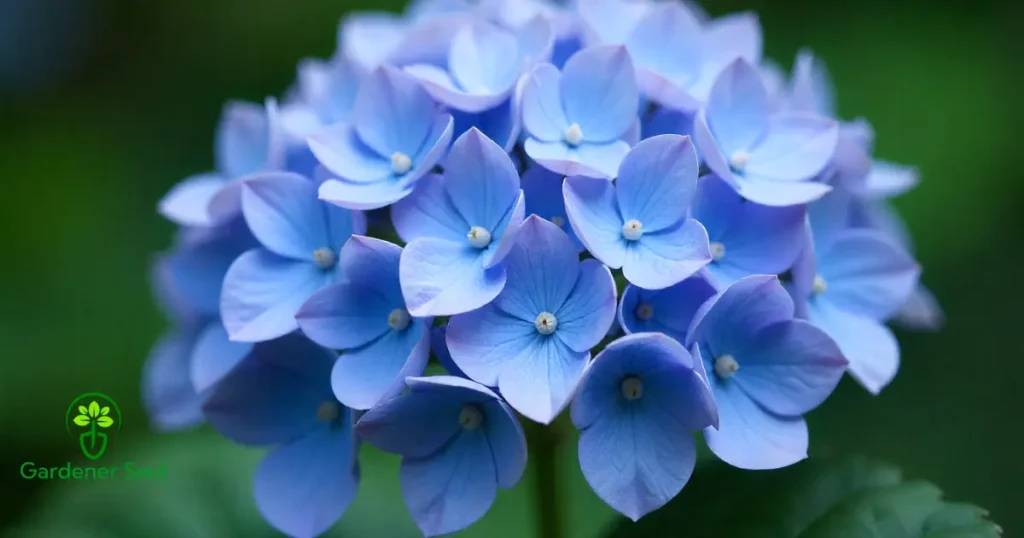
Changing Hydrangea Flower Colors
One of the most exciting features of bigleaf hydrangeas is the ability to change their bloom color.
The Science Behind Color Change
Color variation in hydrangeas is due to the presence or absence of aluminum compounds in the flowers. If aluminum is present, the color is blue. If it is present in small quantities, the color is variable between pink and blue. If aluminum is absent, the flowers are pink.
Soil pH indirectly changes flower color by affecting the availability of aluminum in the soil. When the soil is acidic (pH 5.5 or lower), aluminum is more available to the roots, resulting in blue flowers.
How to Get Blue Flowers
Dissolve one tablespoon of aluminum sulfate in one gallon of water, and drench the soil around the plant in March, April, and May. Be sure to avoid getting the solution on the leaves.
For gradual change, broadcast one-half cup of wettable sulfur per 10 square feet and water it into the soil.
The ideal soil pH for blue flowers is between 5.0 and 5.5.
How to Get Pink Flowers
When the soil is alkaline (pH 7.0 or higher), the availability of aluminum decreases, and the flowers are typically pink.
To make flowers pink, broadcast 1 cup of dolomitic lime per 10 square feet and water it into the soil. However, this method might take a year to see a noticeable change. For faster results, dissolve one tablespoon of hydrated lime in one gallon of water and drench the soil in March, April, and May.
Important Color Change Tips
White hydrangeas cannot be changed to other colors. Always test your soil pH first before making amendments. Color changes can take several weeks to months to become visible.
Growing Hydrangeas from Cuttings
Propagation is a wonderful way to expand your garden or share plants with friends. This is especially useful for fairy garden projects where you might want smaller plants.
Softwood Cuttings (Best Method)
Time your softwood propagation for late spring or early summer, when new stems first start to harden. In most regions, this happens between May and mid-July. At this stage, new hydrangea stems bend but snap off easily.
Step-by-Step Propagation
- Timing: Take cuttings in the early morning when plants are most refreshed and hydrated.
- Cutting Selection: Choose a new stem from the current year’s growth. Cut the stem into 4- to 6-inch lengths with your knife or pruners, cutting right above the node where leaves attach to the stem. These nodes are where new roots will form.
- Preparation: Remove all the leaves except one set at the top of each cutting. Place the cuttings in shallow, warm water to keep them hydrated.
- Rooting Hormone: A rooting hormone like RootBoost stimulates root development and encourages vigorous, uniform root growth. This step is optional but recommended.
- Planting: Use moistened potting mix in small containers. Make a hole first to avoid removing the rooting hormone when inserting the cutting.
- Environment: Place cuttings inside a clear plastic bin or cover with plastic bags to create high humidity. Keep in a bright warm place out of direct sunlight. Direct sun will make the environment too hot.
- Rooting Time: Most hydrangea softwood cuttings should root in two to four weeks. Some cuttings root in as little as one week. To test progress, pull very gently on a cutting – you’ll feel slight resistance from delicate new roots.
Alternative Propagation: Layering
Layering is done by digging a trench near the plant and bending a section of limb down into the trench. Use a knife to remove a small ring of outer bark about 1 inch wide all the way around the limb where it contacts the soil. Then cover the limb with soil, leaving 6 to 12 inches of the tip growth uncovered. If layering is done during the summer, the new plant should be ready for transplanting the following winter.
Managing Pests and Diseases
When grown in the right conditions, hydrangeas are relatively pest and disease-free. However, awareness helps with early treatment.
Common Pests
Aphids: Aphids can build up to high populations on new growth. At high numbers, aphid feeding may cause leaf yellowing or distortion. Aphids excrete a liquid waste high in sugars called honeydew that can coat leaves.
Treatment: Spray leaves gently with a hose or use insecticidal soap.
Spider Mites: Almost invisible to the naked eye, spider mites cause deformed growth, especially on new stems. You’ll recognize their presence by the webs they make between leaves. Since spider mites like hot, dry conditions, you can often control them by keeping hydrangeas well watered and blasting them with water every couple of days.
Slugs and Snails: These pests mainly affect young foliage. Use slug pellets or handpick them in the evening.
Common Diseases
Powdery Mildew: Powdery mildew can occur on all hydrangeas, but is most serious on bigleaf hydrangea. In addition to the usual white, powdery fungal growth on leaf surfaces, yellow or purple leaf blotches might be present. This disease doesn’t usually harm the plant but is aesthetically problematic.
The problem will be most severe on plants in shady or crowded sites that promote high humidity. Clean up fallen leaves and dead tissues to remove spores that may cause new infections.
Cercospora Leaf Spot: A common leaf spot disease in the northeast caused by the fungus Cercospora. Tan spots with reddish brown borders form on the leaves. Infection can be reduced by minimizing leaf wetness.
Botrytis Blight: Small water-soaked spots on petals quickly expand into brown irregular blotches. Disease development is favored by cool, humid, wet conditions.
Prevention Strategies
- Provide good air circulation through proper spacing
- Water at the base rather than overhead
- Remove infected foliage promptly
- Avoid overcrowding plants
- Use mulch to prevent soil splash onto leaves
Winter Protection and Hardiness
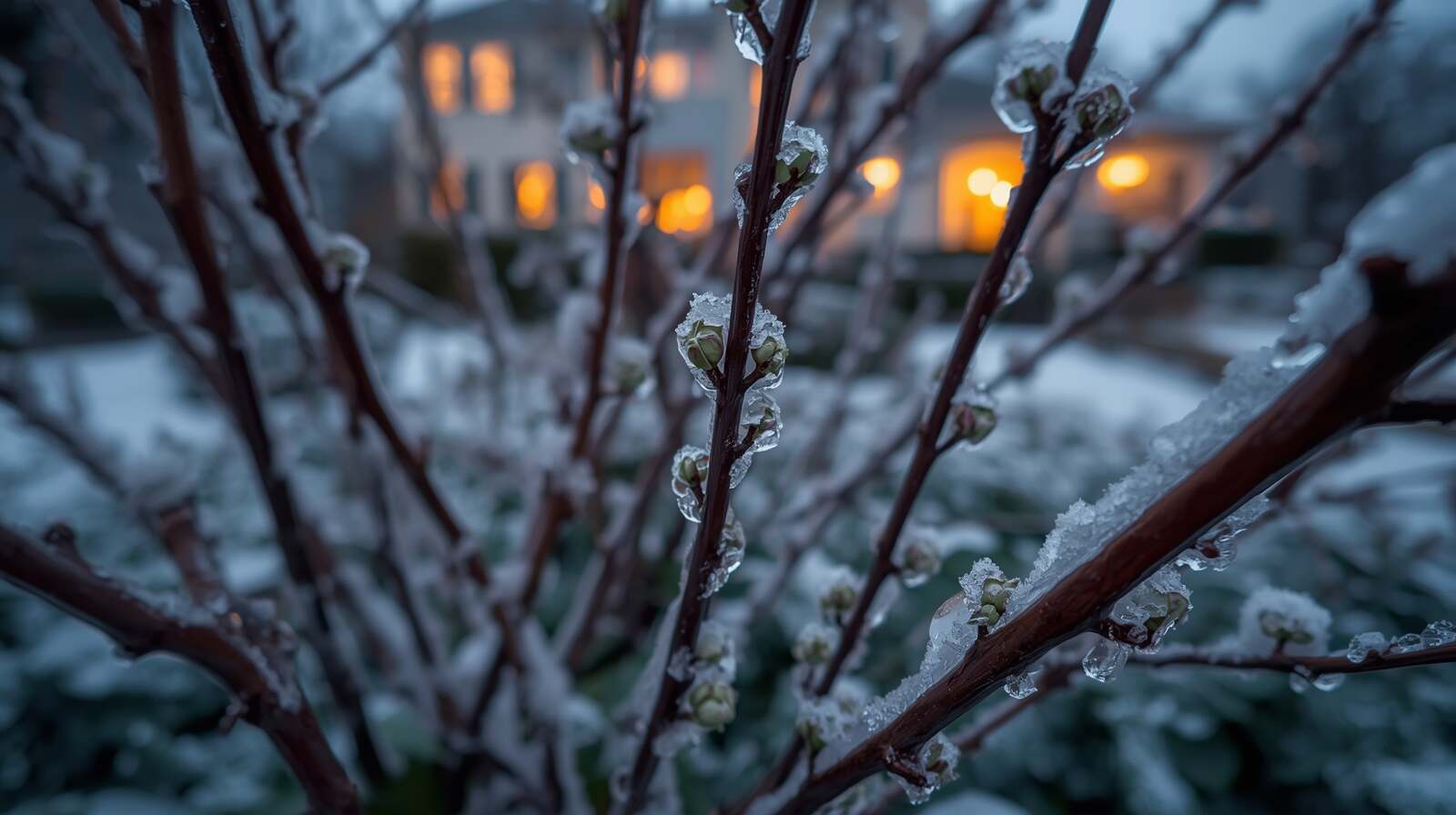
If the air temperature doesn’t go below 0 degrees (zone 7), there is no need for winter protection. In colder climates, wrap or completely cover marginally hardy hydrangeas. This is especially important for those that bloom on old wood, such as mophead/bigleaf hydrangeas.
Preparing for Winter
Ensure your hydrangeas receive adequate water leading up to winter. Water deeply if there hasn’t been sufficient rainfall in late summer or early fall.
Apply a layer of mulch (about 3-4 inches or 7-10 cm) around the base of the plants. This helps insulate the roots and retain moisture. Use organic materials like wood chips, straw, or shredded leaves.
Protection Methods
Loosely wrap plants with a couple layers of burlap, making sure to secure it with sturdy twine. Another option is to make a mulch mountain, covering the majority of the plant.
For extra protection, build a cage around your plant with chicken wire, fill it with mulch, and wrap it in burlap.
Container Winter Care
Potted hydrangeas thrive during winter when kept in a garage or basement where temperatures remain cool but above freezing. Although the plants will enter dormancy, water them occasionally – approximately once a month – to keep the roots moist until spring arrives.
Troubleshooting Common Problems
Why Won’t My Hydrangea Bloom?
Pruning at the wrong time of year for the variety of hydrangea is the most likely reason that hydrangeas fail to bloom.
Other reasons include:
- Over-pruning – if your hydrangea died to the ground after a severely cold winter or was pruned too drastically, it may not bloom until the following year
- Over-fertilization with high-nitrogen fertilizer can reduce flowering
- Deer eating tender new flower buds and foliage
- Late spring frosts damaging flower buds and leaves. If you find your climate too harsh for bigleaf varieties, you might consider when to plant limelight hydrangea as a hardier alternative.
Yellow Leaves
Most of the time, yellow leaves on hydrangeas are caused by insufficient iron rather than pests or diseases. To lower your soil’s pH and make more iron available to your plants, add chelated iron to your garden, following the directions on your product.
Special Applications
Creating a Fairy Garden with Hydrangeas
For fairy garden enthusiasts, dwarf hydrangea varieties work wonderfully. Their compact size makes them perfect for miniature landscapes. Plant them in decorative containers alongside moss, small-leaved plants, and fairy accessories to create magical scenes.
Urban Gardening and Small Spaces
Hydrangeas are excellent for urban gardening on balconies, patios, and small yards. Their container-friendly nature and tolerance of partial shade make them ideal for city environments. Choose compact varieties for limited spaces and group them with other shade-loving plants like hostas and ferns.
Professional Gardening Services
When hiring gardening services for hydrangea care, ensure they understand the specific pruning requirements for your variety. Professional services can help with soil testing, proper fertilization schedules, and seasonal maintenance tasks.
Companion Planting Ideas
Hydrangeas are good additions to Asian, children’s, cottage, cutting, or shade gardens. Consider pairing them with:
- Hostas for contrasting foliage
- Ferns for a woodland feel
- Astilbes for complementary blooms
- Boxwood for year-round structure
- Roses for a romantic cottage garden look
Key Takeaways for Success
| Do’s | Don’ts |
| Plant in morning sun and afternoon shade. | Don’t plant in hot, exposed locations. |
| Water consistently, especially during spring. | Don’t let containers dry out. |
| Apply mulch around the base. | Don’t use high-nitrogen fertilizers excessively. |
| Test soil pH before attempting color changes. | Don’t expect instant color changes. |
| Protect from harsh winter conditions in cold zones. | Don’t prune old-wood bloomers in fall or winter. |
| Use proper pruning techniques based on the variety. | Don’t plant too deep. |
Resources for Further Learning
For more detailed information on hydrangea care, consult:
- University of Georgia Cooperative Extension
- Clemson University Home & Garden Information Center
- University of New Hampshire Extension
- North Carolina Extension Gardener Plant Toolbox
- Michael Dirr’s book “Hydrangeas for American Gardens”
Conclusion
Growing bigleaf hydrangeas successfully comes down to understanding their basic needs: proper location, consistent moisture, appropriate fertilization, and correct pruning. Whether you’re creating a fairy garden, maintaining an urban container garden, or working with professional gardening services, these beautiful shrubs reward proper care with months of stunning blooms.
With patience and the right techniques, you can master hydrangea planting techniques and enjoy vibrant, healthy plants for years to come. Start small, observe your plants, and adjust your care routine as needed. Your efforts will be rewarded with one of the garden’s most beloved flowering shrubs.
Remember, gardening is a journey of learning. Each season brings new opportunities to improve your hydrangea care skills and create the garden of your dreams.
FAQs
Do bigleaf hydrangeas like sun or shade?
Bigleaf hydrangeas prefer partial shade, especially in hot climates. They do best with morning sun and afternoon shade, or dappled light throughout the day. Too much direct sun can scorch their leaves and wilt their flowers, while too much shade reduces blooming. Aim for 3-4 hours of gentle sun daily.
What is the best fertilizer for big leaf hydrangeas?
The best fertilizer for bigleaf hydrangeas is a balanced, slow-release fertilizer formulated for acid-loving plants (like 10-10-10 or 12-4-8). Apply in early spring and again in mid-summer. Avoid high-nitrogen fertilizers, which promote leaves over blooms. For blue flowers, use an acidic fertilizer or aluminum sulfate; for pink flowers, add lime to raise pH. Organic options like compost or fish emulsion also work well.
What is the common name for big leaf hydrangeas?
The common name for bigleaf hydrangeas is “French hydrangea” or simply “bigleaf hydrangea.” They’re also sometimes called “florist’s hydrangea” or “mophead hydrangea” (referring to the round flower shape). The scientific name is Hydrangea macrophylla.