
Old Wood vs New Wood Hydrangeas: What Are the Differences?

Do you know that hydrangeas are popular flowering shrubs that can be found in gardens all over the world? Even most of my global readers love to grow hydrangeas and cut flowers for vases.
Meanwhile, one question I often get is the difference between old and new wood hydrangeas. There are many types of hydrangeas, and one of the most important distinctions is between old-wood and new-wood hydrangeas.
The difference between old and new wood hydrangeas is important for pruning. It is also important to know when to prune each type of hydrangea to ensure optimal flowering.
So, I will provide a short explanation of the old and new wood hydrangea in this article. Alongside, I will provide tips on how to identify old wood hydrangeas. Welcome to Gardener Souls!
What Are the Main Differences Between Old Wood and New Wood Hydrangeas?
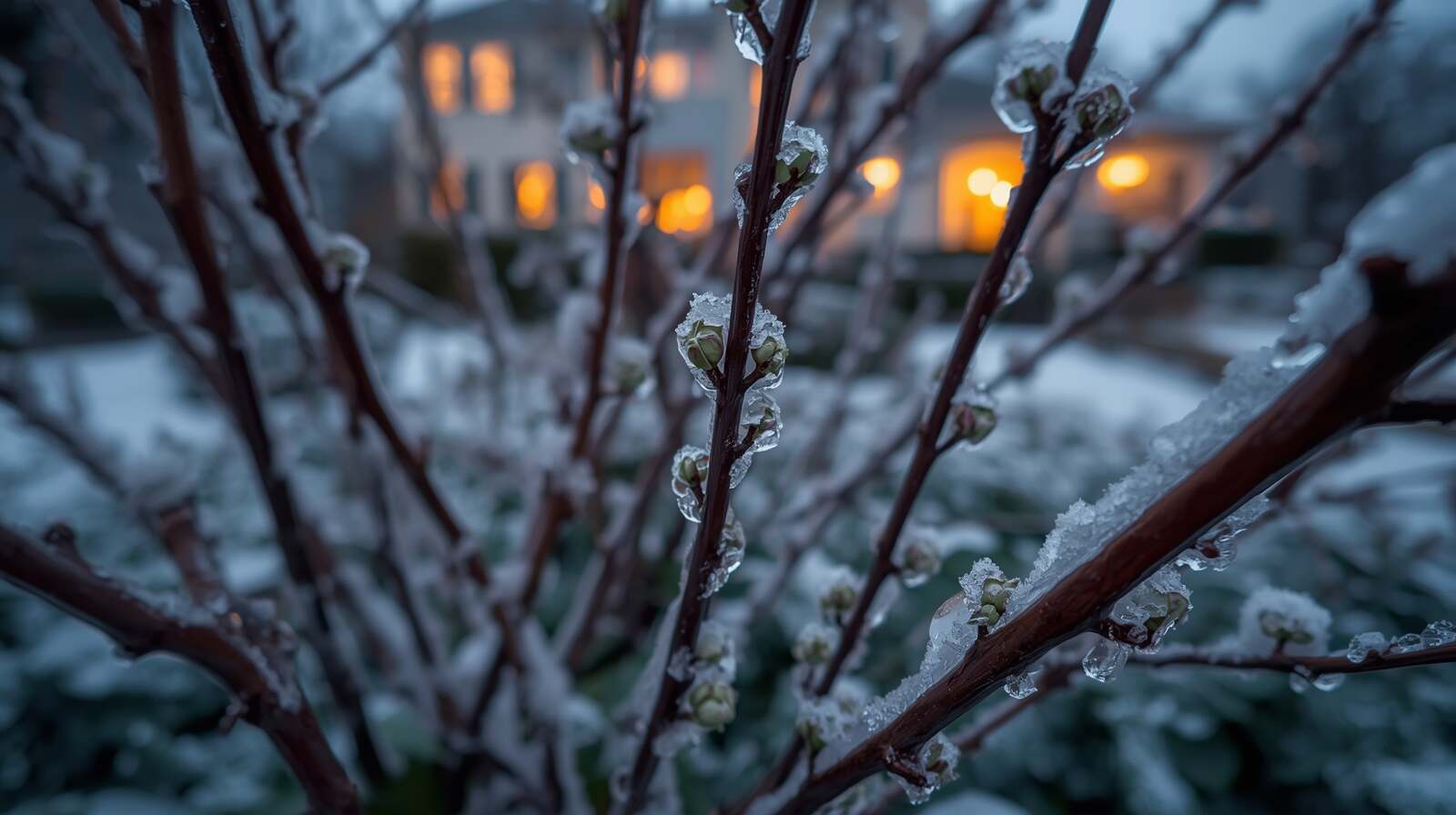
Old wood hydrangeas bloom on stems that grew the previous year—this is why varieties like Mathilda Gutges hydrangea can be planted outside but must be protected from late spring frosts to save their buds., meaning pruning them in spring can remove flower buds, potentially preventing flowering. In contrast, new wood hydrangeas bloom on current year’s growth, so pruning in spring poses no risk to the upcoming season’s blooms.
Definition of Old Wood vs New Wood Hydrangeas
Old Wood Hydrangeas: Old wood hydrangeas bloom on the stems that grew the previous year. This means pruning old wood hydrangeas in the spring will remove the flower buds for the upcoming season. Pruning old wood hydrangeas in the spring will show two consequences:
- Pruning will remove these flower buds.
- Pruning will prevent the plant from flowering.
New Wood Hydrangeas: New wood hydrangeas bloom on the stems that grow in the current year. This means that pruning new wood hydrangeas in the spring will not affect the flowers for the upcoming season. Pruning new wood hydrangeas in the spring is a risk-free task.
- The pruning will not affect the flowers for the upcoming season.
Key Difference Between Old Wood vs New Wood Hydrangea
Let me show you a table summarizing the key differences between old-wood and new-wood hydrangeas. If you are a beginner at pruning hydrangeas, this table will help!
| Features | Old Wood Hydrangea | New Wood Hydrangea |
| Bloom Time | In the early summer. | In the late summer or early fall. |
| Flower Bud Formation | In the fall or winter. | In the spring. |
| Pruning Time | In the fall or winter | In the spring. |
| Color Variety | Less variety of color. | More variety of color. |
| Shape | More upright shape. | More spreading shape. |
| Hardiness | More cold hardy. | Less cold hardy. |
How to Determine Which Type of Hydrangea You Have?
There are a few ways to determine which type of hydrangea you have. But most gardeners follow two easy ways:
- Looking at the time the hydrangeas bloom and
- Looking at the stems of the hydrangeas
Let’s explain in more detail.
- Looking At The Time: One way is to look at the time of year when they bloom. Old wood hydrangeas typically bloom in early summer, while new wood hydrangeas typically bloom in late summer or early fall.
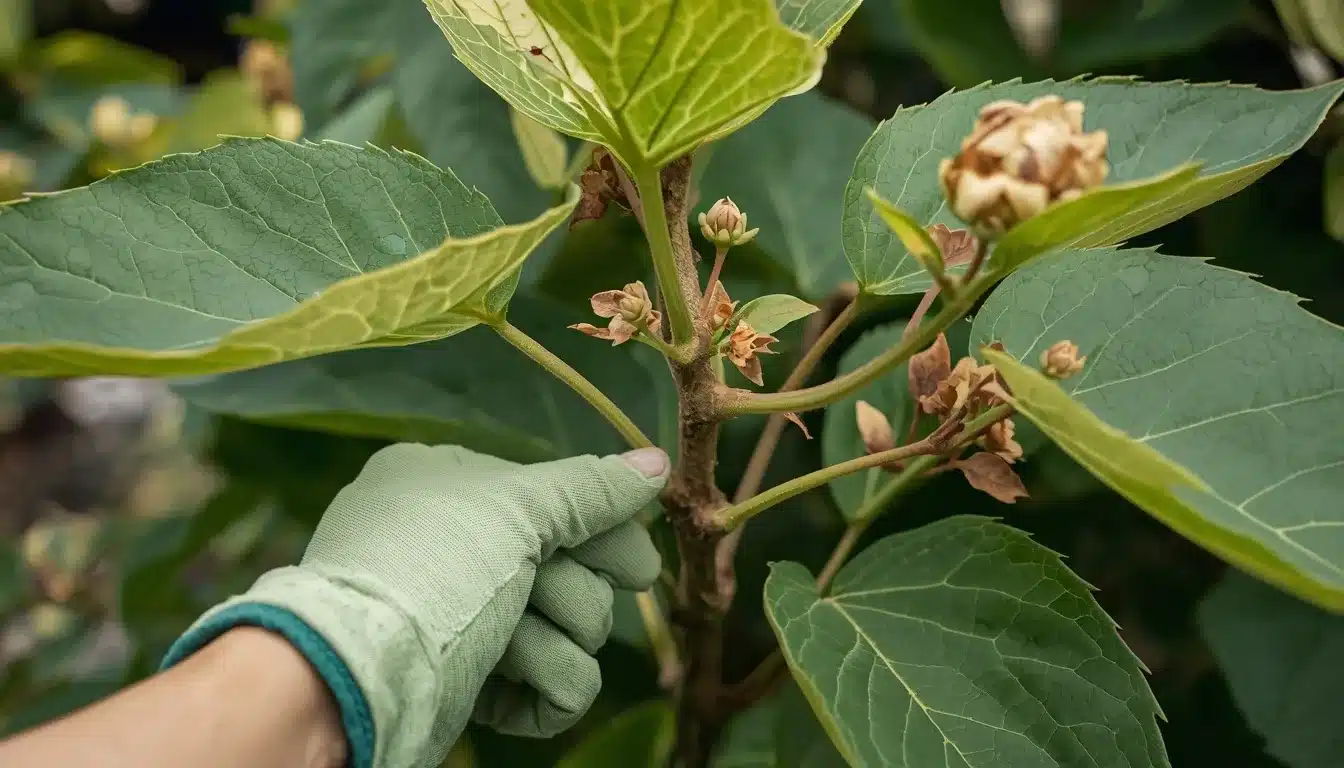
- Looking at Stem: Another way to determine the type of hydrangea you have is to look at the stems. Old wood hydrangea stems will be thicker and darker than new ones.
Finally, you can also consult the plant tag or label that came with your hydrangea. The tag or label should indicate the type of hydrangea that it is. But what happens if you lose the tags? Follow one more tip!
- Look at The Buds: Old wood hydrangea buds will be on the stems in the fall or winter, while new wood hydrangea buds will be in the spring.
What Are the Pruning Differences Between Old Wood Hydrangea and New Wood Hydrangea?
From my experience, the main difference in pruning lies in the time or season. We have to watch the plant condition to make a decision that helps the hydrangea growth. Let me share the time you need to prune old wood and new wood hydrangea.
When to Prune Old Wood Hydrangeas?
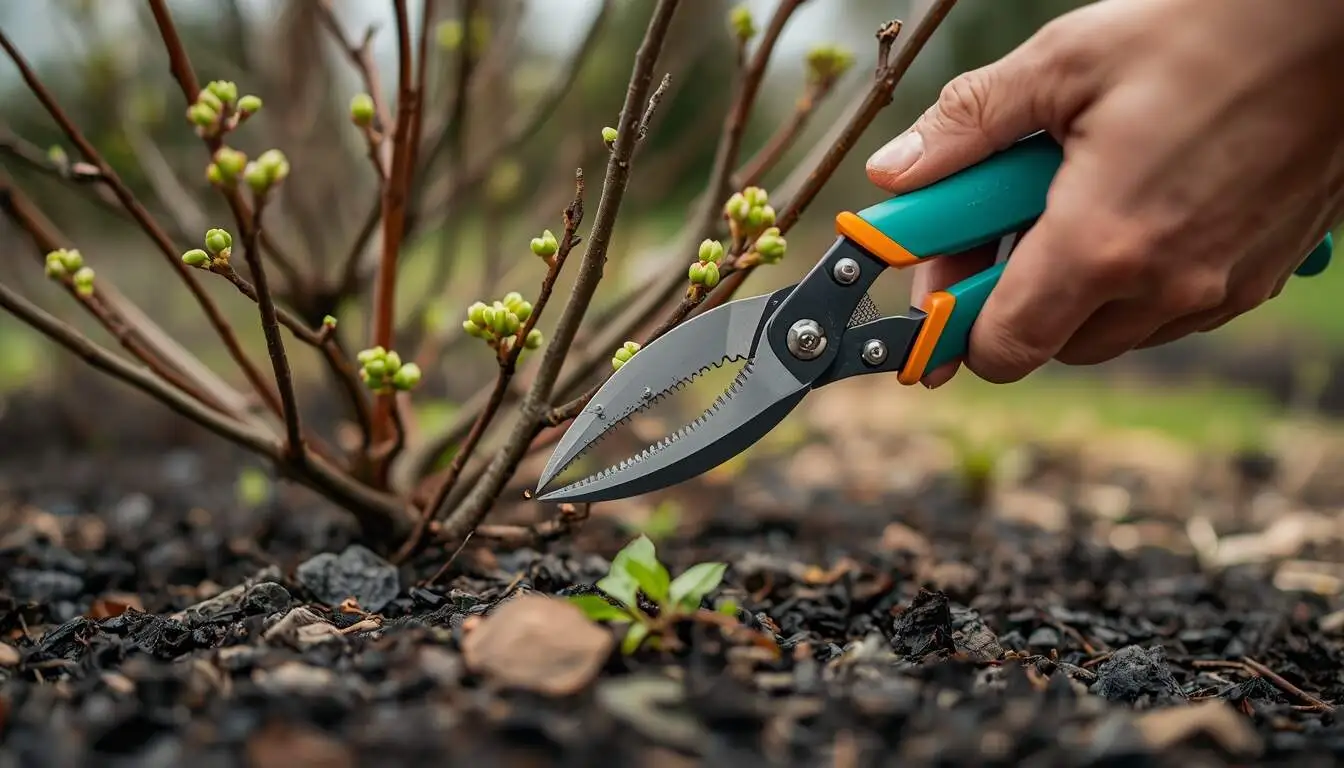
Old wood hydrangeas should be pruned in the fall or winter when the plant is dormant; for a detailed walkthrough, see our guide on hydrangea macrophylla pruning to avoid cutting off next year’s buds. Pruning at this time will help to promote new growth and flowering in the spring.
Removing dead, diseased, or damaged branches is important when pruning old wood hydrangeas. You can also thin out the plant by removing some older branches.
When to Prune New Wood Hydrangeas?
New wood hydrangeas should be pruned in the spring after the plant has bloomed. Pruning at this time will help to shape the plant and promote new growth.
Removing dead, diseased, or damaged branches is important when pruning new wood hydrangeas. You can also thin out the plant by removing some older branches.
What Are The Beneficial Differences Between Old Wood vs New Wood Hydrangea?
While old wood hydrangea gives you longer blooming and large flowers, new wood hydrangea also gives you a variable shape and a colorful outlook. So, particular qualities make the old and new wood hydrangea best in their place.
Benefits of Old Wood Hydrangea
- Long-blooming: Old wood hydrangeas typically bloom for several weeks in early summer.
- Large Flowers: Old wood hydrangeas have large, showy flowers.
- Easy Maintenance: Old wood hydrangeas are relatively easy to care for.
- Drought Tolerance: Old wood hydrangeas are drought-tolerant once they are established.
Benefits of New Wood Hydrangeas
- Later Blooming: New wood hydrangeas typically bloom in late summer or early fall.
- Color Variation: New wood hydrangeas come in various colors, including blue, pink, and white.
- Shapeable: New wood hydrangeas can be easily shaped to fit your desired space.
- Fast Growth: New wood hydrangeas are fast-growing, so you can enjoy their flowers sooner.
What Are the Types of Hydrangeas for Old Wood and New Wood?
Some specific types of hydrangea bloom on old wood and new wood. For example, Mophead, Lacecap, Mountain, Oakleaf, and Climbing Hydrangea prefer old wood. On the contrary, Pinnacle and smooth hydrangeas are preferred on new wood.
| Old Wood Hydrangea | ||||
| Mophead Hydrangea | Lacecap Hydrangea | Mountain Hydrangea | Oakleaf Hydrangea | Climbing Hydrangea |
| Garden lovers have an ultra affection for this hydrangea. | The hydrangeas in my garden are a symphony of color. | The Hydrangea serrata is a hardy hydrangea that can thrive in even the coldest winters. | The hydrangea is a deciduous shrub that is named for its distinctive leaves. | The oakleaf hydrangea is a towering hydrangea that can reach up to 30 feet. |
| They are large, have round flower clusters, and often appear in blue, purple, or pink. | Their delicate buds, ringed by larger, flatter blossoms, come in shades of blue, pink, purple, and white. | Its flowers are similar to lacecaps but with even smaller outer petals. | The leaves are large and heart-shaped, changing color from green to shades of red, orange, and yellow in the fall. | Its leaves turn a brilliant array of colors in the fall before falling off, revealing the tree’s distinctive peeling bark. |
| New Wood Hydrangea | |||
| Panicle Hydrangeas | Smooth Hydrangeas | ||
| Panicle hydrangeas are known for their large, conical flowerheads, which can be white, pink, or blue. | Smooth hydrangeas, such as the well-known Anabelle variety, are known for their large, round flower heads that bloom in the summer. | ||
| They are also quite cold-tolerant, making them a good choice for gardeners in colder climates. | They are also relatively low-maintenance and can tolerate a variety of soil conditions. | ||
| The Limelight variety is a particularly popular panicle hydrangea, known for its large flowerheads; if you are adding one to your garden, learn when to plant limelight hydrangea for the best results. | Anabelle hydrangeas are a good choice for gardeners looking for a hydrangea that adds elegance to their landscape. | ||
What Is the Usage Difference Between Old Wood vs New Wood Hydrangea?
Old and new wood hydrangeas are prized for their ornamental value. However, all parts of hydrangeas contain cyanogenic glycosides, which are moderately toxic if consumed.
Some people smoke Hydrangea paniculata, believing it to be an intoxicant, but cyanide poisoning can cause severe illness or even death.
Hydrangeas have a rich cultural history. In Japan, ama-cha is an herbal tea made from hydrangea leaves. The leaves contain phylloducin, which gives the tea a sweet taste.
On April 8th, Buddha’s birthday, ama-cha is poured over a Buddha statue, and everyone who attends the ceremony drinks the tea.
Most hydrangeas are sterile and not very bee-friendly. However, some varieties, such as Hydrangea arborescens, Hydrangea macrophylla, and Hydrangea anomala petiolaris, can produce flowers that are attractive to pollinators.
Final Words
I have planted hydrangeas on my lawn for over a decade. Often, I replace and trim the branches, stems, and leaves. Surprisingly, new and old wood hydrangeas gave me astonishing flowers I can use in different places. In conclusion, old and new wood hydrangeas are two types of hydrangeas with different bloom times, pruning times, hardiness levels, bloom sizes, and bloom colors.
When choosing hydrangeas for your garden, it is important to consider the type of hydrangea that will best suit your needs. So, learn the difference between old wood vs new wood hydrangeas to grow the flower and improve your gardening experience. Stay tuned for more tips on hydrangea flowers and their maintenance.
FAQs
Question 1: What Does It Mean to Bloom on Old Wood?
Flower buds form on previous year’s stems, overwinter, and bloom in spring. Pruning in spring removes these buds, preventing blooms.
Question 2: Is Annabelle Hydrangea an Old Wood Hydrangea?
No, it’s a new wood hydrangea that blooms on current year’s growth. Can be pruned in late winter without affecting blooms.
Question 3: What Is the Difference between Annabelle and Limelight?
Annabelle has round white flowers in late spring with weak stems. Limelight has cone-shaped flowers in mid-summer with stronger stems; because it is a panicle variety, you should follow the specific steps for when and how to prune limelight hydrangeas to keep it upright.
Question 4: What Is the Most Popular Color of Hydrangeas?
Bigleaf hydrangeas with pink or blue rounded flower heads are most popular. Color changes with soil pH.
Question 5: Is Hydrangea a Japanese Plant?
Hydrangeas grow in Asia and America, with greatest diversity in China, Korea, and Japan. Known as ‘ajisai’ in Japan.
Question 6: Where Do Hydrangeas Grow Best?
Moist, well-drained soil in dappled shade with morning sun and afternoon shade. Avoid full sun, full shade, and windy locations.
Question 7: How Fast Do Hydrangea Cuttings Grow?
Root in 2-4 weeks. Test by gently pulling—resistance indicates rooting. Best results when taken in spring or early summer.