
Wisteria Poison Symptoms and Safety Guide: Core Guide

Wisteria is one of the most beautiful climbing vines you can grow in your garden. Its hanging clusters of purple, blue, pink, or white flowers create a stunning display every spring. But behind this beauty lies a danger that every garden owner, parent, and pet owner should know about.
All parts of the wisteria plant are poisonous. This includes the flowers, leaves, stems, bark, and especially the seed pods and seeds. The plant contains two main toxic chemicals called lectin and wisterin that can cause serious harm if eaten.
The seed pods resemble pea pods, which makes them especially hazardous. Children often mistake them for edible beans and eat them out of curiosity. Even a small amount can cause severe sickness. According to medical research, eating just two to three seeds can cause serious illness in children, and consuming more than five seeds can be deadly.
Understanding Wisteria Poisoning Symptoms
When someone eats any part of a wisteria plant, the toxic chemicals attack the body in different ways. The symptoms usually appear within a few hours, though they can sometimes take up to 24 hours to show up.
1. Stomach and Digestive Problems
The most common symptoms affect the stomach and digestive system:
Burning sensation in the mouth – This often happens immediately after eating the plant.
Nausea – Feeling sick to the stomach.
Vomiting – Can be severe and sometimes contains blood.
Stomach pain and cramps – Can be intense and uncomfortable.
Diarrhea – May occur but is often less severe than vomiting.
These stomach symptoms typically start 1.5 to 3.5 hours after eating wisteria. In one medical case study, all seven children who ate wisteria seeds started vomiting within 4 hours. The child who ate a whole seed began vomiting within just 2 hours.
2. Brain and Nervous System Effects
Wisteria poisoning can also affect the brain and nervous system:
Headache – Can be severe and last.
Dizziness and vertigo – Feeling like the room is spinning.
Confusion – Difficulty thinking clearly.
Weakness – Feeling very tired and weak.
Fainting – Some people pass out completely.
Excessive sweating – More sweating than normal.
In one reported case, a 50-year-old woman who ate 10 wisteria seeds experienced headache, vomiting blood, dizziness, confusion, excessive sweating, and fainting. She continued feeling tired and dizzy for 5 to 7 days after eating the seeds.
3. Other Warning Signs
Additional symptoms to watch for include:
Increased white blood cells – Shown in blood tests in children who ate wisteria
Dehydration – From excessive vomiting and diarrhea
Depression or lethargy – Especially in pets
How Long Do Symptoms Last?
Most symptoms last between 24 to 48 hours once they start. However, some people have reported feeling tired and dizzy for up to a week after eating wisteria seeds. The severity and duration depend on how much was eaten and the size of the person or animal.
Who Is Most at Risk?
Children Are in the Greatest Danger
Young children are at the highest risk for wisteria poisoning. They are naturally curious and often put things in their mouths while playing outside. The seed pods look similar to pea pods or green beans, which can trick children into thinking they are safe to eat. Parents should be aware of wisteria poison symptoms so they can act quickly if accidental ingestion occurs.
Medical records show several cases of children being hospitalized after eating wisteria seeds. In one incident, four children between the ages of five and ten ate an unknown number of seeds. They had no symptoms for 20 hours, then suddenly developed stomach pain and vomiting. Two became badly dehydrated and needed hospital treatment.
The small size of children makes even small amounts of wisteria more dangerous. Their bodies cannot handle toxins as well as adult bodies can.
Pets and Livestock Face Serious Risks
Wisteria is highly poisonous to dogs, cats, and horses. The same toxic chemicals that harm humans – lectin and wisterin – affect animals in similar ways.
For dogs and cats, symptoms include:
- Vomiting (sometimes with blood)
- Diarrhea
- Drooling
- Depression or unusual quietness
- Stomach pain
- Weakness
- Risk of collapse
Dogs may eat wisteria out of curiosity or boredom. Some dogs naturally like to chew on plants. As few as three wisteria seeds can cause stomach problems in dogs, and eating more than five seeds can be fatal.
For horses, wisteria poisoning is especially dangerous. Horses have very sensitive digestive systems. They may accidentally eat wisteria seeds or seed pods while grazing. The poisoning can cause severe colic (stomach pain), which is a medical emergency for horses.
According to the ASPCA (American Society for the Prevention of Cruelty to Animals), wisteria is officially listed as toxic to dogs, cats, and horses.
The Role of Amount and Body Size
How sick someone gets from wisteria depends on two main factors:
- How much was eaten – More seeds or plant material means more severe symptoms
- Body size – Smaller children and animals get sicker from smaller amounts
This is why wisteria is so dangerous for young children and small pets. Even a small amount that might only make an adult feel sick could be life-threatening for a small child or pet.
What to Do Right Away: First Aid Steps
If you think someone has eaten wisteria, act quickly but stay calm. Time is important, but so is doing the right things.
Important: Do Not Make Them Vomit
Never try to make someone vomit unless a doctor or poison control expert tells you to. While vomiting might seem like a good way to get the poison out, it can sometimes make things worse. Only medical professionals can decide if vomiting is safe in each situation.
Follow These Steps Instead
Step 1: Remove Plant Material from the Mouth
- Gently wipe out the inside of the mouth with your fingers or a soft cloth
- Remove any visible pieces of plant
Step 2: Rinse the Mouth
- Have the person rinse their mouth with water
- Tell them to spit the water out – do not swallow
- Repeat several times to remove all plant material
Step 3: Give Small Sips of Water
- After rinsing, let them take a few small sips of clean water
- This helps wash any remaining plant material into the stomach, where it can be treated
- Keep giving small sips, but do not force them to drink large amounts
Step 4: Help with Mouth Pain
- If their mouth hurts or burns, let them suck on ice chips or popsicles
- This can help numb the pain and reduce irritation
- Cold treats work especially well for young children
Step 5: Prevent Dehydration
- If vomiting starts, keep giving small sips of clear fluids
- Try water, clear broth, or electrolyte drinks
- Give small amounts frequently rather than large amounts at once
- This helps prevent dangerous dehydration
What Not to Do
- Do not give any medicine unless told to by a doctor
- Do not try home remedies
- Do not wait to see if symptoms develop – call for help right away
- Do not give milk or food
When to Get Medical Help Immediately
Always contact poison control or a doctor if someone eats wisteria, even if they feel fine. Symptoms can take up to 24 hours to appear, and by then the poison has had time to cause more damage.
For Humans: Critical Contact Numbers
Poison Control Hotline: 1-800-222-1222
This number works 24 hours a day, 7 days a week, and is completely free. When you call, experts will:
- Ask what was eaten and how much
- Ask about current symptoms
- Tell you exactly what to do next
- Decide if you need to go to the hospital
Online Help: webPOISONCONTROL
You can also get help online at the Poison Control website (poison.org). The webPOISONCONTROL tool gives you immediate advice based on your specific situation. This is a good option if you prefer not to call or if you want written instructions you can follow.
For Pets: Veterinary Emergency Contacts
If your pet ate wisteria, contact help immediately:
ASPCA Animal Poison Control Center: 1-888-426-4435
This helpline is staffed by veterinary experts who specialize in animal poisoning. They are available 24/7/365. There is a consultation fee for this service, but it can save your pet’s life.
Your Local Veterinarian
Call your regular vet or the nearest emergency animal hospital right away. If possible, bring a sample of the wisteria plant with you so they can identify exactly what your pet ate.
What Happens at the Hospital?
Medical treatment for wisteria poisoning focuses on:
- Removing the poison – Doctors may give activated charcoal, which absorbs the toxins and prevents them from entering the bloodstream. In some cases, they may pump the stomach.
- Supportive care – This includes giving fluids through an IV (into the vein) to prevent dehydration and flush toxins from the body. Medicine may be given to stop vomiting and control other symptoms.
- Monitoring – Patients are watched carefully to make sure they are getting better and not developing complications.
For pets, treatment is similar and may include:
- Induced vomiting (if done early enough)
- Activated charcoal
- IV fluids
- Anti-nausea medication
- At least 24 hours of observation in serious cases
The good news is that if treatment starts within 24 hours and only a small amount was eaten, most people and pets recover fully.

How to Prevent Wisteria Poisoning
The best way to deal with wisteria poisoning is to prevent it from happening in the first place.
Smart Garden Planning
Keep wisteria away from children’s play areas. Do not plant wisteria near:
- Playgrounds or swing sets
- Sandbox areas
- Places where children play regularly
- Low fences or structures that children can easily reach
If you already have wisteria growing near these areas, consider removing it or moving the play area.
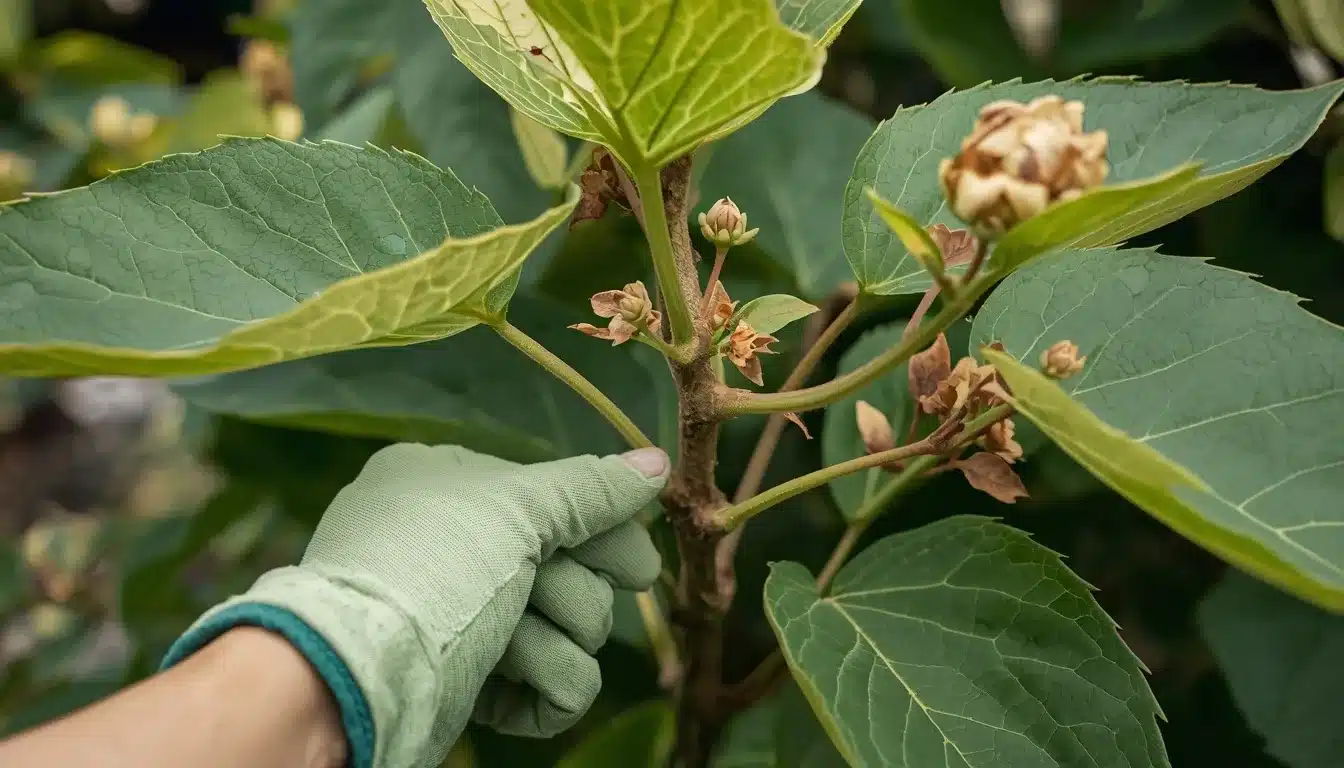
Remove seed pods immediately. After wisteria finishes flowering in late spring or early summer, it develops seed pods. These are the most toxic part of the plant. Walk around your wisteria plants regularly and cut off any seed pods you see before they fully develop. Throw them away in sealed bags where children and pets cannot reach them.
Plant in locations out of reach. If possible, train wisteria to grow on tall arbors, pergolas, or high fences where children and pets cannot access the flowers or developing seed pods.
Safe Handling Practices
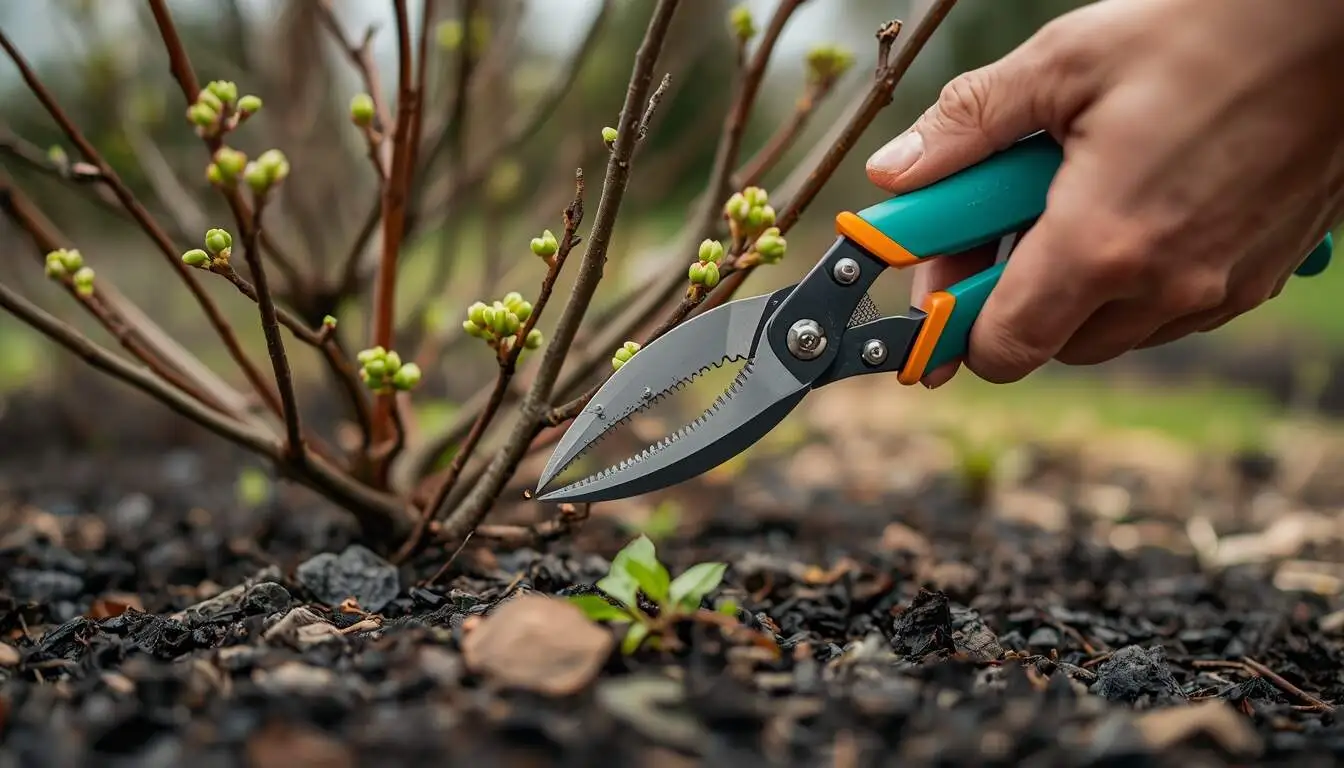
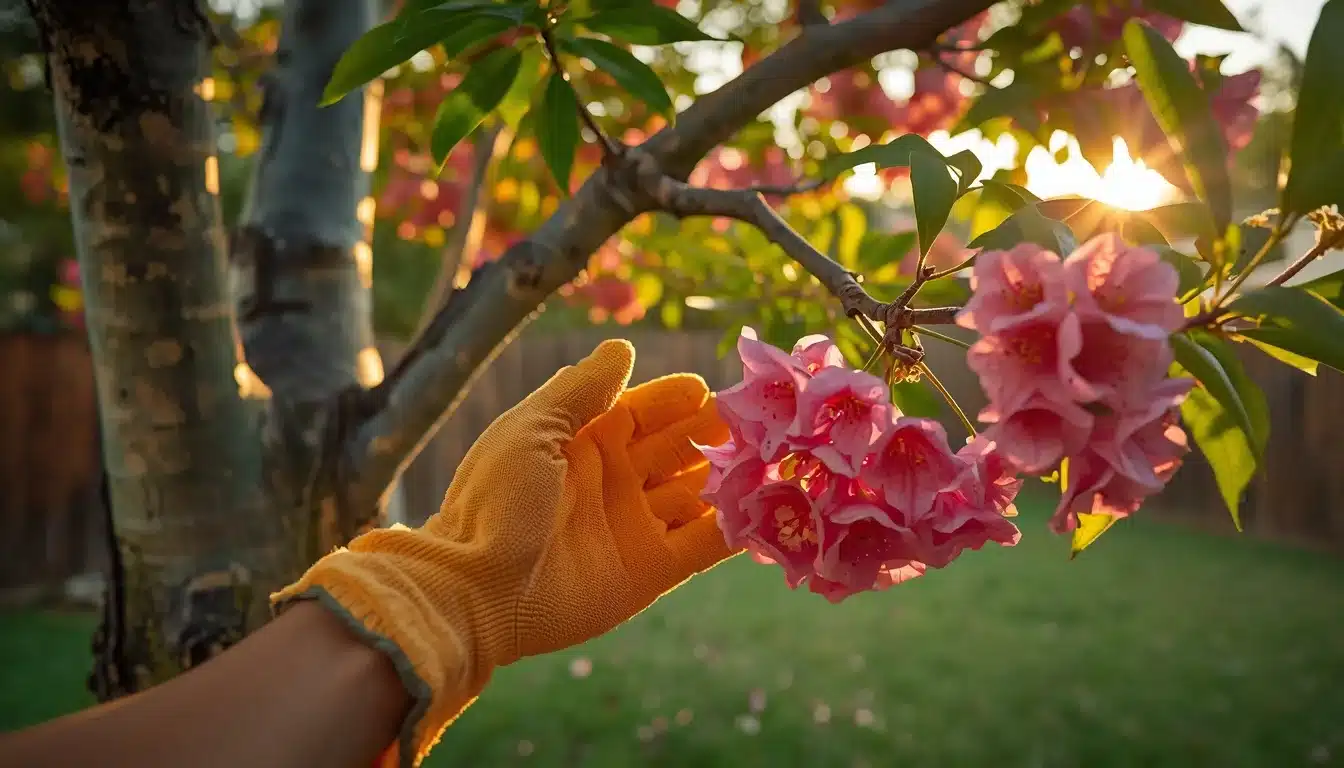
Always wear gloves when working with wisteria. When you prune, trim, or handle the plant:
- Wear gardening gloves to protect your skin
- Wear long sleeves to prevent skin contact
- Wash your hands thoroughly with soap and water after finishing
- Wash any tools that touched the plant
- Do not touch your face or eat until you have washed
Some people can develop skin irritation from touching wisteria, even without eating it.
Teach children plant safety. Have clear conversations with your children about garden safety:
- Tell them never to eat any part of any plant without asking an adult first
- Show them what wisteria looks like so they can recognize it
- Explain that even pretty flowers can be dangerous
- Make this a regular conversation, not just a one-time talk
Protecting Your Pets
Train pets to avoid the area. If you must keep wisteria in a yard with pets:
- Use fencing or barriers to keep pets away from wisteria plants
- Train dogs with commands to stay away from specific areas
- Provide plenty of safe toys and activities so pets are less likely to chew on plants out of boredom
Supervise outdoor time. Watch your pets when they are outside, especially if you have wisteria in the yard. Puppies and young dogs are most likely to chew on plants.
Know your yard plants. Walk through your entire yard and identify all plants. Remove any that are toxic to pets, or make sure they are completely out of reach.
Consider Safer Alternatives
If you have young children or pets and are worried about wisteria, consider planting these non-toxic flowering vines instead:
Crossvine (Bignonia capreolata)
- Produces beautiful trumpet-shaped flowers
- Safe for pets
- Evergreen in warm climates
- Grows well on fences and trellises
Coral Honeysuckle (Lonicera sempervirens)
- Red or orange tubular flowers that hummingbirds love
- Safe for dogs and cats
- Native to North America
- Evergreen or semi-evergreen
Hyacinth Bean (Lablab purpurea)
- Purple flowers followed by decorative purple pods
- Annual vine that grows quickly
- Safe for pets
- Thrives in full sun
These alternatives give you the beauty of a flowering vine without the serious poisoning risk that comes with wisteria.
Understanding Why Wisteria Is So Poisonous
Knowing what makes wisteria toxic can help you understand why it is so dangerous and why you need to take it seriously.
The Two Main Toxins
Lectin is a protein found throughout the wisteria plant. When eaten, lectin:
- Causes blood cells to clump together
- Creates dangerous blood clots
- Can lead to stroke in severe cases
- Attacks the digestive system, causing severe vomiting and diarrhea
Wisterin (also called wisterin glycoside) is a chemical compound concentrated in the seeds and seed pods. It:
- Causes severe stomach and intestinal problems
- Leads to repeated vomiting and diarrhea
- Results in dangerous dehydration
- Can be fatal if enough is consumed
These two toxins work together to attack multiple body systems at once, which is why wisteria poisoning can become serious so quickly.
Why Seeds and Pods Are Most Dangerous
All parts of wisteria contain lectin and wisterin, but the seeds and seed pods have the highest concentration. This is why:
- Just 2-3 seeds can make a child seriously ill
- More than 5 seeds can be fatal
- The seed pods are more dangerous than the flowers or leaves
- Even dried seed pods retain most of their toxicity
The fuzzy, bean-like appearance of wisteria seed pods makes them especially dangerous to children who think they look like edible pea pods.
All Wisteria Types Are Toxic
There are several types of wisteria, and all are poisonous:
- Chinese Wisteria (Wisteria sinensis)
- Japanese Wisteria (Wisteria floribunda)
- American Wisteria (Wisteria frutescens)
Do not assume that one type is safer than another. They all contain the same toxic chemicals and should all be treated as dangerous.
Key Points to Remember
Let me summarize the most important safety information about wisteria:
About the Plant:
- All parts of wisteria are poisonous to humans and animals
- Seeds and seed pods are the most toxic parts
- The plant contains two main toxins: lectin and wisterin
- Even 2-3 seeds can cause serious illness in children
- All types of wisteria (Chinese, Japanese, American) are toxic
Poisoning Symptoms:
- Burning sensation in the mouth
- Severe vomiting (sometimes with blood)
- Stomach pain and cramps
- Diarrhea
- Headache, dizziness, confusion
- Weakness and excessive sweating
- Symptoms usually appear within 1.5 to 4 hours, but can take up to 24 hours
Immediate Actions:
- Remove plant material from the mouth
- Rinse your mouth with water and spit
- Give small sips of clear fluids
- Do not induce vomiting unless told to by medical professionals
- Call Poison Control at 1-800-222-1222 immediately for humans
- Call ASPCA Animal Poison Control at 1-888-426-4435 or your vet for pets
Prevention:
- Plant wisteria away from children’s play areas
- Remove seed pods promptly after flowering
- Wear gloves when handling the plant
- Teach children never to eat any plant without permission
- Keep pets away from wisteria or use safer alternative plants
- Consider non-toxic flowering vines like crossvine or coral honeysuckle
Medical Treatment:
- Always contact poison control or a doctor, even without symptoms
- Hospital treatment may include activated charcoal and IV fluids
- Most people recover fully if treated within 24 hours
- Pets need immediate veterinary care and may need 24-hour observation
Final Thoughts: Beauty with Caution
Wisteria is undeniably one of the most beautiful flowering vines you can grow. The wisteria bloom creates cascading clusters of flowers in a magical display that few other plants can match. However, this stunning beauty comes with real danger that cannot be ignored.
If you have young children or pets, you need to carefully weigh the risks. Is the spectacular wisteria bloom worth the constant worry and vigilance required to keep everyone safe? For many families, the answer is no, and choosing safer alternative plants is the better choice.
If you decide to keep or plant wisteria, commit to taking all necessary safety precautions:
- Place it well out of reach
- Remove seed pods religiously
- Educate everyone in your household
- Keep emergency numbers readily available
- Monitor children and pets when they are outside
Remember that prevention is always easier than treatment. A moment of prevention can save you from hours in the emergency room and the trauma of watching a child or beloved pet suffer from poisoning.
Stay informed, stay vigilant, and stay safe. Your quick action and knowledge can make the difference between a scary moment and a tragedy.
Disclaimer: This article provides general information about wisteria toxicity and first aid measures. It is not a substitute for professional medical advice. Always contact Poison Control (1-800-222-1222) or seek immediate medical attention for any suspected poisoning. For pets, contact your veterinarian or ASPCA Animal Poison Control (1-888-426-4435).