
Can Crepe Myrtle Roots Damage Pipes? Myths vs. Facts Explained

I was excited when I put a crepe myrtle in my yard because I knew it would have pretty flowers and a lot of shade. But soon after, neighbours and people in online gardening groups started telling me that the roots could damage underground pipes. I started to wonder if I was putting my pipes at risk just for the sake of some colorful summer flowers.
I have done a lot of study, talked to landscapers, and even experienced root growth firsthand. I would like to share what I know about crepe myrtle roots, clear some myths about them, and tell you the truth: Can crepe myrtle roots damage pipes?
Do Crepe Myrtle Roots Damage Pipes
The first time I heard that crepe myrtle roots could tear through pipes, I thought of oak tree roots that are big and strong. But when I learned more about it, I found that crepe myrtle roots are not nearly as widespread as many people think. In fact, they are pretty shallow and fine, looking for water and food by spreading out instead of pushing their way into structures.
Pipes that are in good shape are usually safe because the roots aren’t strong enough to go through solid things. When a pipe already has a crack, leak, or weakness, that’s when things get really bad. That way, roots might be drawn to the moisture and find their way inside, which over time could lead to clogging. To be honest, crepe myrtles don’t normally damage pipes, but they can take advantage of holes in them.
Understanding Crepe Myrtle Root Systems
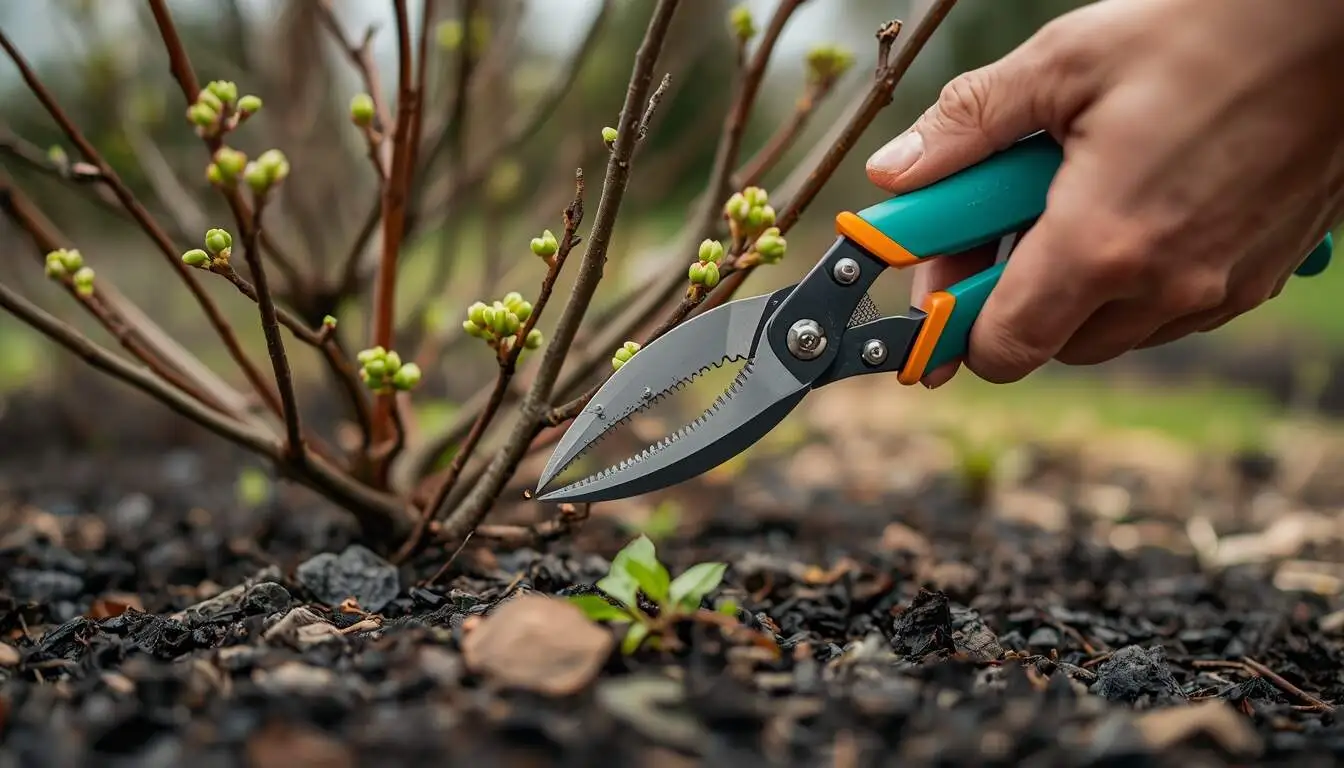
When I put down my first crepe myrtle, I thought it would have thick, deep roots like many big, tall trees. I was shocked to learn that crepe myrtle root systems are actually different. These trees don’t send their roots straight down. Instead, they make a thin, fibrous root network that spreads out to find water and nutrients. Since most of the roots are concentrated in the top 12 to 18 inches of soil, they don’t usually grow deep enough to interfere with underground pipes.
One thing that makes them special is that they can spread out two or three times the width of the tree’s canopy. This spreading helps the tree stay stable and get to more water when it’s hot outside. The roots are thin and non-aggressive, so they don’t usually damage structures unless they come across weak spots, like a cracked pipe. Beyond their physical footprint, I also looked into the botanical safety of these shrubs for families and pets, and I was relieved to find they are quite safe to have around the home. If you’re wondering if crepe myrtle roots can damage pipes, it’s important to know that healthy, sealed pipes are usually safe, while cracked ones may attract root growth.
When and How Roots Can Damage Pipes?
The real answer to can crepe myrtle roots damage pipes depends more on the condition of the pipes than the aggressiveness of the roots. Like the roots of most trees, crepe myrtle roots automatically seek out water and nutrients. Roots won’t be able to break through a pipe that is fully sealed and in good shape. However, roots can become a problem, though, if there’s even a small leak or crack in the pipe.
It generally happens like this: a broken pipe lets water leak out, and the ground around it stays wet. Roots move towards that broken pipe, always looking for water. The tiny, hair-like feeder roots can get through the opening once they find it. Roots inside the pipe get bigger and bigger over time as they feed on the steady flow of water. It could cause some clogs, slow drains, or even a fully blocked pipe in the worst cases.
It is important to note that crepe myrtles are not the main cause of water problems caused by roots. Willows, poplars, and maples are much more destructive. But if the conditions are right, even the crepe myrtle’s smaller, more fibrous roots can take advantage of weak spots.
That’s why it’s so important to fix your pipes on a daily basis and prune tall trees in your yard. I’ve found that the risk is very low if you keep pipes in good shape and don’t put crepe myrtles right next to utility lines.
Safe Planting Distance from Sewer or Water Lines
I wasn’t sure how the crepe myrtle planting distance had to be from the tree roots in the sewer line in my yard when I first thought about putting one there. I learned that distance is very important to keep roots from getting in the way after doing some study and getting advice from landscapers. Even though crepe myrtles have shallow roots, their canopies can grow two to three times bigger than their roots. In other words, a small shrub may not seem dangerous right now, but in ten years, its roots could easily reach several feet in all directions.
A lot of experts say that you should put crepe myrtles at least 5 to 10 feet away from water or sewer lines to be safe. This space gives the tree a lot of room to grow while reducing the chance of roots seeking out moisture from underground pipes. If your tree is bigger, you might want to make that space at least 12 feet wide. When I plant them, I make sure to keep them away from pipes and give the tree enough room to grow without getting in the way of other buildings.
Best Locations to Plant Crepe Myrtles Safely
When I choose a spot to plant crepe myrtles, I always think about how nice it will look and how useful it will be. People love these trees for their bright flowers and smooth wood, but if you put them in the wrong place, they might cause problems in the future. The best places are those where the tree can spread its branches and roots out without getting in the way of pipes, foundations, or other structures. I’ve found that great places to plant are in the yard, along driveways, or close to property borders, as long as you account for the long-term impact of the tree’s growth on residential structures. I’ve found that great places to plant are in the yard, along driveways, or close to property borders.
Because crepe myrtles do best in full sun, I make sure to put them somewhere that gets at least six hours of direct sunlight every day. This not only helps the tree grow a lot, but it also keeps it healthy and strong. Also, I don’t put them too close to the house, the streets, or the utility lines. To prevent the roots and branches of crepe myrtles from causing damage to homes, it is recommended that the tree be situated at a minimum of 10 to 15 feet from homes.
How to Identify and Fix Root-Related Pipe Issues?
Root problems in yard often show small signs before they become big problems. This is something I’ve learned about both trees and pipes. If you think crepe myrtle roots or any other tree roots have gotten into your pipes, the first thing you need to do is figure out what the signs are. The first sign for me was a drain that started to empty much more slowly than normal. Over time, I also started to hear gurgling sounds coming from the toilet and smell an unpleasant odor coming from the drains. Roots are often to blame when these things happen because the flow is being blocked.
A sewer camera inspection is usually what plumbers do to prove the problem. To do this, a small camera is put into the pipe to see what’s going on. The video will show where the roots have gone in and how bad the blockage is, if there are any.
Root-cutting augers are sometimes used by plumbers to get the roots and shoots out of pipes. A high-pressure stream of water called hydro-jetting can get rid of growth that won’t go away. But these solutions usually only work for a short time until the broken pipe part is fixed or changed. If the pipe has big breaks or cracks, it’s best to look into trenchless repair options, such as pipe relining, which seals the inside of the pipe without having to dig up a lot of ground.
What I’ve realized is that it’s important to find problems early on. If you check your pipes often, especially if they are old, you can find small breaks before they grow roots. That way, you can enjoy the beauty of your crepe myrtles without having to deal with problems.
Preventing Future Root Intrusion
After learning how tree roots can get into pipes, I’ve made it a top goal to keep tree roots out of my yard. That being said, there are a number of good ways to lower the risk of another root intrusion, and most of them are simpler than people think.
The first thing I do is make a plan. By putting crepe myrtles far away from sewer and water lines, I make it much less likely that their roots will ever get to those pipes. I also make sure I pick the right varieties of crepe myrtle. Dwarf and medium-sized types are much less likely to have problems with their roots than bigger ones.
Root barriers have been used by homes to add extra safety. These are walls that are put up vertically in the ground between a tree and underground utilities. They are usually made of plastic or metal. They keep the tree and the pipes safe by guiding the roots lower and away from weak spots.
Another important step is to do regular repairs. A sewer camera should be used to check the pipes every couple of years to find small leaks before roots do. Any small break-ins can be fixed right away without having to pay for expensive fixes.
Conclusion
After reading about crepe myrtles and planting them in my own yard, I know that the fear that their roots will damage pipes isn’t always true. Even though these trees have roots that spread out, they aren’t usually dangerous unless they come across weak spots in old or leaking pipes.
You can easily stop problems before they happen if you plan and use barriers if needed, and keep up with pipe checks. For those living in more rural areas, these trees also offer the benefit of being seldom targeted by local foraging wildlife. If you take the right steps, you can enjoy their beauty year after year without worrying about hidden root-related plumbing or landscaping problems.
FAQs
Are crepe myrtle roots invasive like other trees?
No, crepe myrtle roots are not considered invasive compared to trees like poplars, willows, and maples. Their roots are short and fibrous, and they spread out instead of pushing deep into the ground. This makes it much less likely to cause structural or plumbing damage.
Can I plant crepe myrtle near a foundation?
Yes, you can plant crepe myrtles close to a foundation, but it’s better to give them at least 6–10 feet of space. Their roots aren’t strong enough to crack concrete, but giving them space will keep them from damaging the base or competing for nutrients with nearby structures.
What trees should I avoid near sewer lines?
Avoid putting trees near sewer lines that have roots that grow quickly and aggressively. Willow, poplar, silver maple, and elm are some examples. These species are known for getting into pipes and blocking them up.
Do dwarf crepe myrtles have smaller roots?
Yes, dwarf crepe myrtles naturally develop smaller and less extensive root systems than standard varieties. They are a great choice if you want the beauty of crepe myrtles but don’t have a lot of room or want to put them close to walkways and structures.
What’s the minimum safe distance from a pipe?
When planting trees near pipes, keep them at least 8–10 feet away from sewer or water pipes. For longer-term safety, it’s best to increase that space to 12 feet or more for bigger types.