How to Identify and Eliminate Spider Mites on Hydrangeas

Spider mites can destroy a healthy hydrangea before you even realize there’s a problem. These microscopic pests hide on leaf undersides, quietly draining your plant’s vitality. But if you know what to look for and act quickly, you can save your hydrangea without using harsh chemicals.
Is it Spider Mites? Spotting the Early Warning Signs
The Webbing Test: What You’re Actually Looking At
Not all webbing on your hydrangea signals danger. Here’s how to identify what’s there. Understanding the variety of insects attracted to these flowering shrubs can help you differentiate between a harmless visitor and a destructive infestation like spider mites.
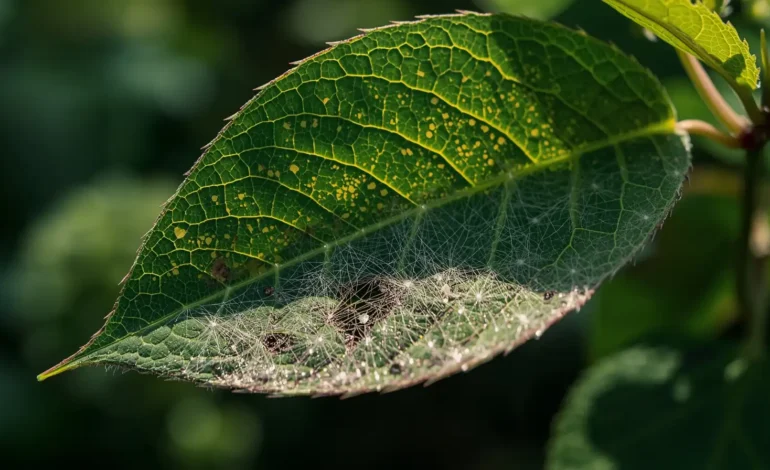
Spider mites create fine, silky webbing on the undersides of leaves and between stems. It looks delicate, almost like someone stretched thin cotton candy across the plant. Spray the area lightly with water, and the webbing becomes much easier to spot.
Beneficial garden spiders build funnel-shaped webs, usually in corners or between branches. These spiders actually help your garden by eating harmful insects. Leave them alone.
Webworms wrap leaves in bag-like cocoons or dense webbing that looks thick and messy, nothing like the fine threading spider mites leave behind.
Leaf Discoloration: The Telltale Damage Pattern
Spider mite damage starts small but spreads fast. Look for these signs:
Yellow or white stippling appears first. These are tiny dots scattered across the leaf surface where mites have pierced cells and sucked out the contents. Hold a leaf up to the light and you’ll see the damage clearly.
Bronzed or silvery leaves come next. As the infestation grows, entire leaves take on a dull, bronze appearance. The plant looks dusty and unhealthy even after you’ve watered it.
Severe cases turn leaves completely brown before they drop off. At this stage, the plant is fighting for survival. While mites cause subtle stippling, if you notice large, jagged chunks missing from your foliage overnight, you may be dealing with local wildlife foraging in your garden rather than a microscopic pest.
The Broad Mite Difference: A Harder Pest to Diagnose
Broad mites are even smaller than spider mites, and they cause different symptoms that can throw you off track. Ohio State University Extension has documented broad mites on hydrangeas, noting the distinctive damage patterns that separate them from spider mites.
Inward leaf cupping is the main giveaway. New leaves curl downward at the edges and look twisted or deformed.
Stunted growth happens at the growing tips. New shoots stay short and thick instead of elongating normally. This damage looks surprisingly similar to herbicide injury, which confuses a lot of gardeners.
Unlike spider mites, broad mites rarely produce visible webbing. If your hydrangea shows these symptoms without webs, you’re probably dealing with broad mites instead.
Inspection Hotspots: Where to Look First
Don’t waste time checking random leaves. Spider mites and broad mites both target specific areas.
Check the newest growth first, as tender new leaves and stems are the preferred feeding sites not just for mites, but for a wide array of sap-sucking garden parasites and leaf-dwelling invertebrates that target the plant’s vitality. Mites love the soft tissue because it’s easier to pierce.
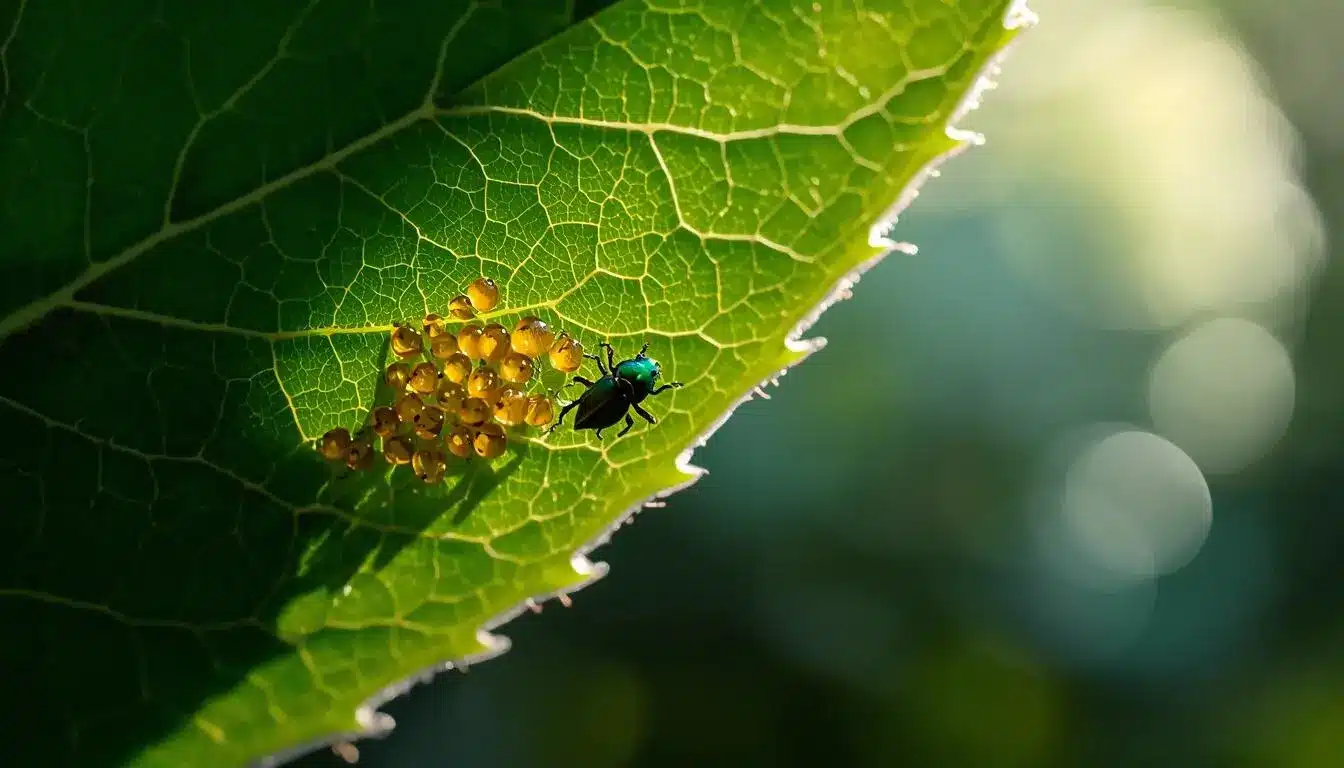
Flip leaves over and examine the undersides. This is where mites congregate and lay eggs. You might see the webbing here even if the top of the leaf looks clean.
Use a magnifying glass or your phone camera zoomed in. Spider mites are about the size of a grain of salt. They look like tiny moving dots, usually yellowish, reddish, or brown.
Immediate DIY Treatments for Mite Infestations
Once you’ve confirmed spider mites, move quickly. Every day you wait gives them time to reproduce and spread.
The High-Pressure Water Blast: Simple but Effective
Grab your garden hose and set the nozzle to a strong jet spray. This method works surprisingly well for knocking down mite populations.
Spray the undersides of leaves thoroughly. Hit every leaf you can reach, focusing on areas where you see webbing or damage. The pressure dislodges mites and destroys their protective webs.
Repeat every 2 to 3 days for two weeks. One treatment won’t eliminate the entire population because eggs can survive the blast. You need multiple sessions to catch newly hatched mites.
Do this early in the morning so leaves have time to dry before nightfall. Wet foliage overnight can invite fungal problems.
Suffocation Sprays: Soap Solutions That Actually Work
Insecticidal soap kills mites on contact by breaking down their protective outer coating. You can buy it ready-made or mix your own.
DIY soap solution: Mix 1 tablespoon of plain dish soap (not detergent, not antibacterial) with 1 gallon of water. Use something mild like pure castile soap or basic dish soap without added degreasers.
How to apply it properly:
- Spray until the solution drips off the leaves, especially the undersides
- Cover all visible webbing and damaged areas
- Apply in the evening or on a cloudy day to prevent leaf burn
- Reapply every 5 to 7 days until you stop seeing new damage
Test the solution on a few leaves first. Wait 24 hours to make sure your hydrangea doesn’t react badly before you treat the whole plant.
Neem Oil Application: Contact Kill Plus Residual Protection
Neem oil does double duty. It kills mites on contact and leaves behind a coating that disrupts their feeding and reproduction for days afterward.
Mix according to bottle directions. Most neem concentrates need dilution, usually 2 tablespoons per gallon of water. Add a few drops of dish soap to help the oil mix with water.
Spray thoroughly in the early morning or late evening. Neem oil can burn leaves in direct sunlight, so timing matters.
Repeat every 7 to 14 days until the infestation clears. Neem works slower than soap sprays but provides longer-lasting protection.
One warning: neem has a strong smell that some people find unpleasant. It fades as it dries, but be prepared.
Pruning for Survival: When to Cut Your Losses
Sometimes the best move is removing the worst-hit parts of the plant.
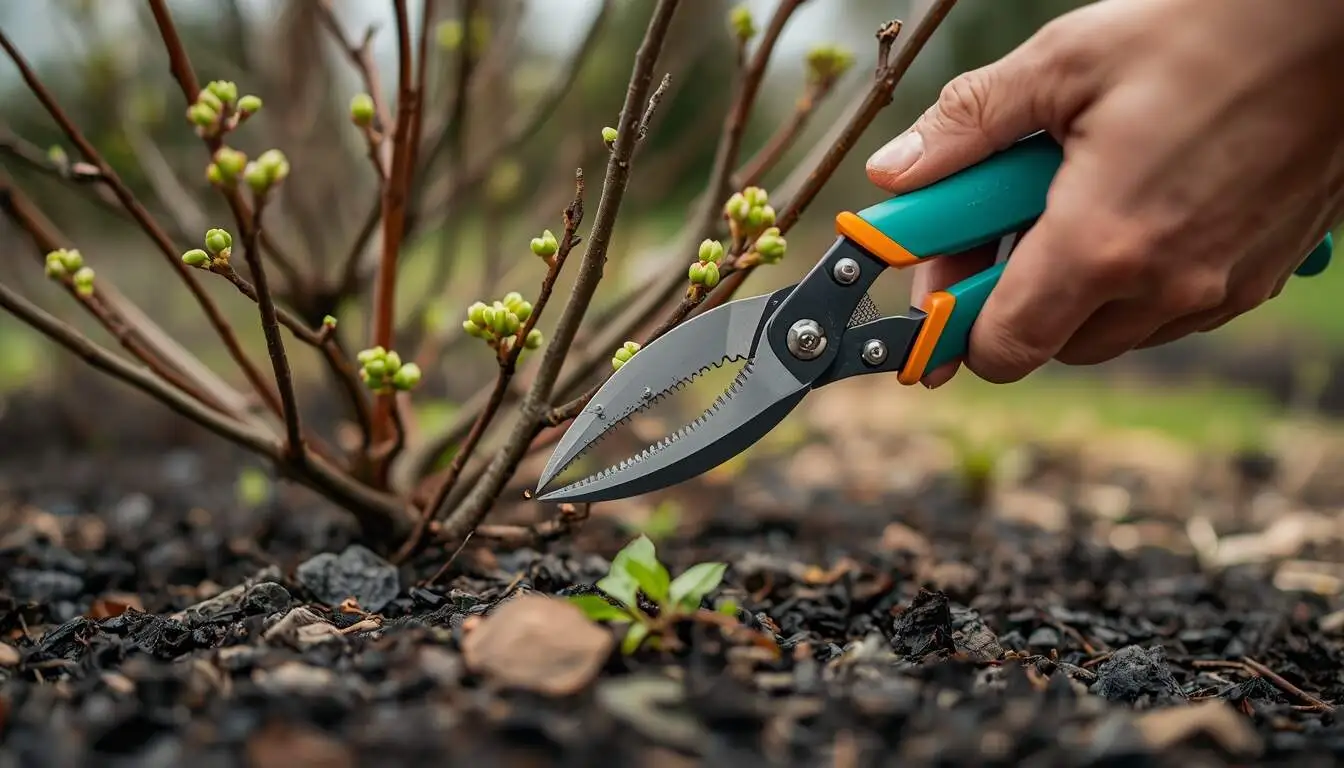
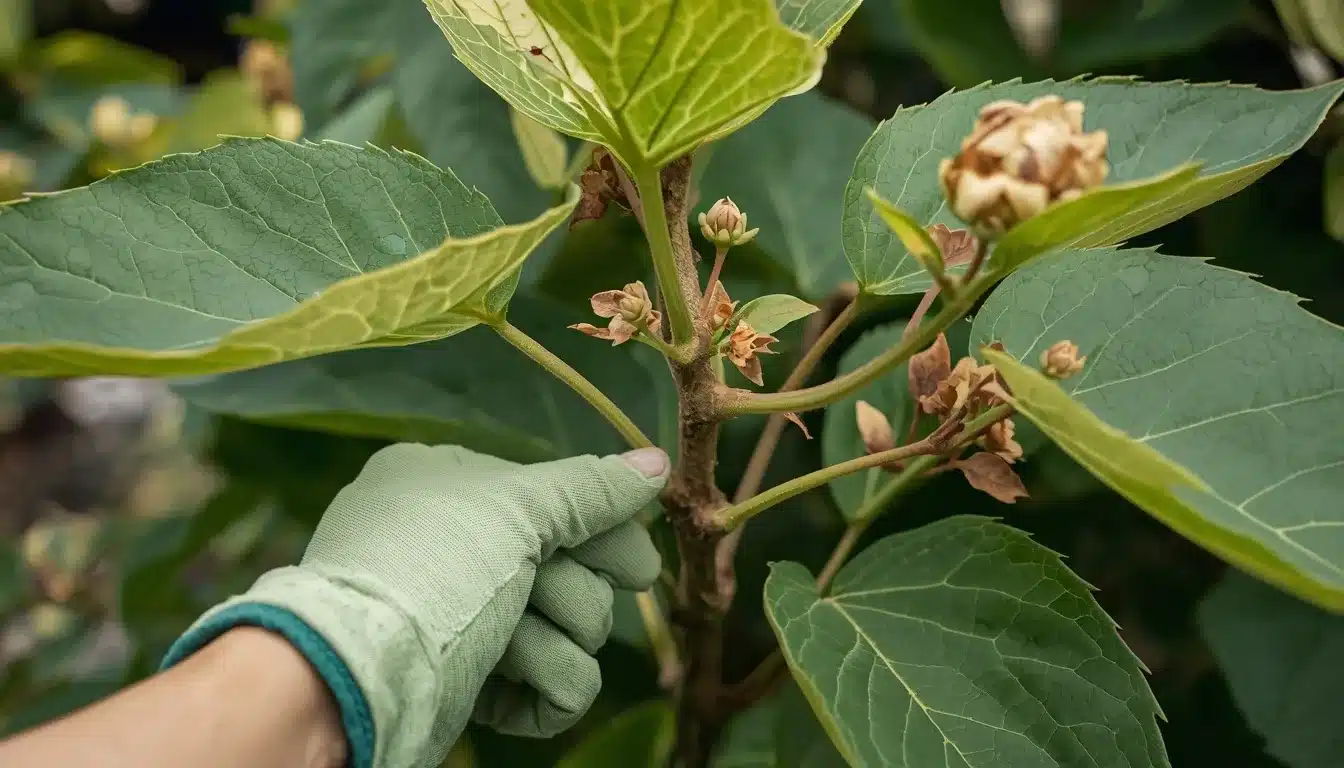
Cut back heavily damaged leaves and stems. If a section is covered in webbing or completely bronzed, it’s not recovering. Remove it to redirect the plant’s energy toward healthy growth.
Remove blooms during severe infestations. This sounds extreme, but flowering takes enormous energy. A stressed plant trying to support blooms while fighting mites often loses the battle. Cut the flowers and let the plant focus on rebuilding leaves and roots.
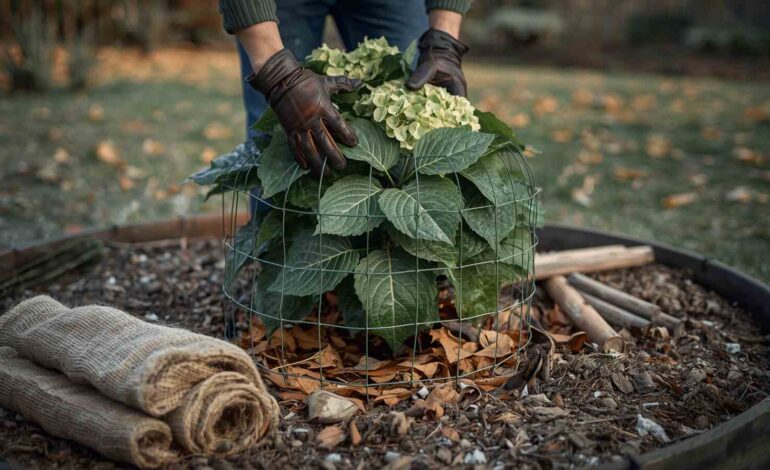
Dispose of trimmings properly. Bag them up and throw them in the trash, or burn them if local regulations allow. Never compost infested material because mites can survive and reinfest your garden.

Advanced “No-Chemical” Prevention Strategies
Treating an active infestation is one thing. Keeping mites from coming back requires a different approach. The University of California recommends an integrated pest management approach that combines biological controls with environmental management rather than relying solely on pesticides.
Biological Warfare: Let Natural Predators Do the Work
The best long-term solution is building an army of insects that eat spider mites for breakfast.
Ladybugs are famous for devouring aphids, but they also consume spider mites by the hundreds. Adult ladybugs and their larvae both feed on mites.
Lacewings have larvae that are absolute mite-eating machines. One lacewing larva can consume 200 mites per week.
Pirate bugs are tiny but fierce predators that hunt mites, thrips, and other small pests.
How to attract them:
- Plant marigolds, fennel, dill, or yarrow near your hydrangeas
- Avoid pesticides that kill beneficial insects along with pests
- Provide shallow water sources like birdbaths or small dishes
- Let some areas of your garden grow a bit wild to give predators shelter
You won’t see instant results, but once these beneficial insects establish themselves, they’ll keep mite populations in check naturally.
Hydration as Defense: Keep Conditions Unfavorable for Mites
Spider mites thrive in hot, dry environments. Make your garden inhospitable to them.
Water consistently. Keep the soil evenly moist but not waterlogged. Dry, stressed plants are mite magnets.
Apply 5 to 10 cm of organic mulch around the base of your hydrangeas. Mulch retains soil moisture, moderates temperature, and creates a less attractive environment for mites.
Mist the foliage occasionally during heat waves. Spider mites hate humidity. A quick spray with the hose on a hot afternoon can discourage them from settling in.
Heat Stress Monitoring: Know the Danger Zone
Spider mites reproduce at alarming speed when temperatures climb above 29°C (84°F). A single female can lay dozens of eggs in a week under ideal conditions.
Watch the forecast during summer. When you see several consecutive hot days predicted, increase your monitoring.
Check plants more frequently during heat waves. Look for early signs of stippling or webbing so you can intervene before populations explode.
Provide afternoon shade if possible. Even temporary shade cloth during the hottest part of the day can reduce heat stress and make conditions less favorable for mites.
Critical Mistakes to Avoid When Treating Your Hydrangea
The Fertilizer Trap: Don’t Feed a Struggling Plant
When your hydrangea looks sick, the instinct is to fertilize it. Resist this urge.
Fertilizing a pest-stressed plant makes things worse. The extra nutrients push the plant to produce new growth when it should be conserving energy to fight the infestation. That tender new growth just gives mites more food.
Wait until the infestation is controlled and your plant shows signs of recovery. Then you can feed it to support healthy regrowth.
Pesticide Overuse: When the Cure Creates a Bigger Problem
Broad-spectrum insecticides kill everything, including the ladybugs, lacewings, and other predators that naturally control mites.
The rebound effect is real. After you wipe out beneficial insects, mite populations can explode even worse than before because nothing’s eating them anymore.
If you must use pesticides, choose products specifically labeled for mites (miticides) that are less harmful to beneficial insects. Follow label directions exactly. More is not better.
Improper Disposal: Don’t Recycle the Problem
Composting seems eco-friendly, but it’s a mistake with mite-infested plant material.
Spider mites and their eggs can survive in compost piles, especially if the pile doesn’t heat up enough to kill them. When you spread that compost later, you’re reintroducing pests to your garden.
Trash it or burn it. Seal infested trimmings in a bag and throw them away, or burn them if you’re allowed to in your area. This breaks the cycle completely.
Frequently Asked Questions
What does spider mite damage look like on hydrangeas?
Spider mite damage starts as tiny yellow or white dots scattered across leaves, called stippling. As the infestation worsens, leaves develop a bronzed or silvery appearance and may have fine webbing on the undersides. Severely damaged leaves turn brown and fall off.
Can a hydrangea recover from spider mites?
es, most hydrangeas recover fully if you treat the infestation early. Remove damaged foliage, use soap sprays or neem oil to kill the mites, and keep the plant well-watered. New growth should appear healthy within a few weeks after treatment.
How do I tell the difference between spider mites and webworms?
Spider mites create fine, delicate webbing on leaf undersides that looks like thin silk threads. Webworms produce thick, messy webs that wrap around leaves and stems in bag-like cocoons. The webbing texture and location are completely different.
Will soapy water kill spider mites on my hydrangea?
Yes, soapy water kills spider mites on contact by breaking down their outer coating. Mix 1 tablespoon of plain dish soap per gallon of water and spray the undersides of leaves thoroughly. Repeat every 5 to 7 days until you see no new damage.
Why does my hydrangea have webs but no visible bugs?
Spider mites are extremely small, about the size of a grain of salt. You need a magnifying glass or zoomed-in phone camera to see them. They also tend to hide on leaf undersides and move quickly. The webbing is often easier to spot than the mites themselves.
Does neem oil work on hydrangea spider mites?
Yes, neem oil is effective against spider mites. It kills on contact and disrupts their feeding and reproduction. Mix according to label directions and spray thoroughly, covering all leaf surfaces. Apply every 7 to 14 days until the infestation clears. Use it in early morning or evening to avoid leaf burn.