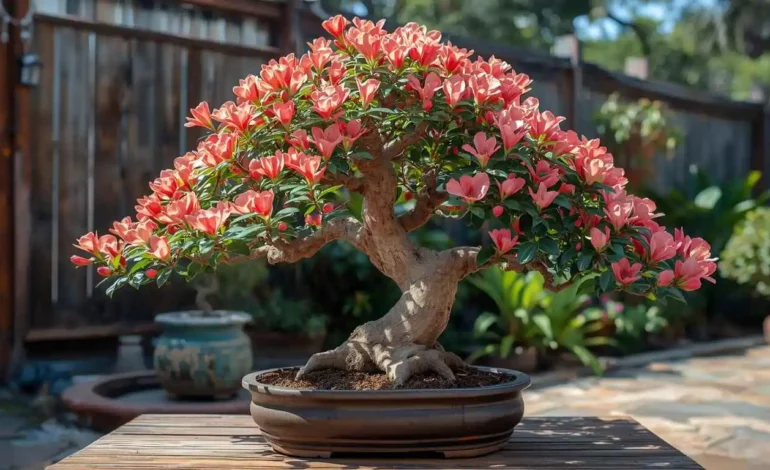
Crape Myrtle Bonsai Care: The Ultimate Guide to Vibrant Blooms and Exfoliating Bark

Growing a crape myrtle bonsai gives you something special: a miniature tree that bursts with summer flowers, develops beautiful peeling bark, and puts on a show of fall colors. This guide covers everything you need to know about crape myrtle bonsai care, from selecting your first tree to keeping it healthy year after year.
Understanding the Lagerstroemia indica Lifestyle
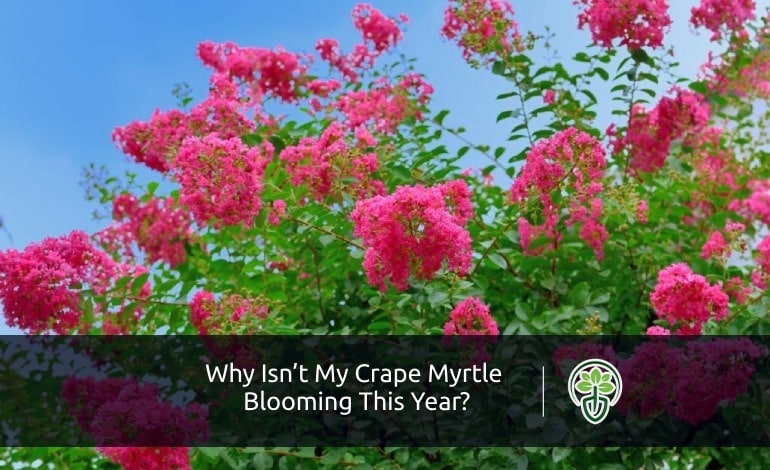
Crape myrtle stands out as one of the best species for bonsai. You get three major benefits in one tree: brilliant summer blooms that last for weeks, mottled bark that peels to reveal multiple colors underneath, and foliage that turns vibrant shades of orange and red in autumn.
This deciduous tree thrives in USDA zones 7 through 9, and according to official plant hardiness and botanical records, it remains one of the most resilient species for temperate outdoor cultivation. The species handles both single-trunk and multi-trunk styling, and many growers appreciate the high safety of the plant in household environments when working with pets or children. Unlike some bonsai that demand precise conditions, crape myrtle adapts well once you understand its basic needs.
Originally from China and Korea, crape myrtle made its way to Western gardens in the 1700s. Gardeners quickly recognized its value for long-lasting summer color, though the typical flowering window for these specimens can vary based on your local climate. That same quality makes it perfect for bonsai cultivation today.
Selecting Your Starter: Varieties and Trunk Potential
Choosing the Right Variety for Flowers
Different crape myrtle varieties produce different flower colors and leaf sizes. For bonsai work, smaller-leafed varieties generally look more proportional.
‘Natchez’ produces white flowers and has medium-sized leaves. The white blooms create a clean, classic look that contrasts nicely with the cinnamon-colored bark.
‘Tuscarora’ gives you coral-pink flowers. This variety grows vigorously and produces abundant blooms when it gets enough sun.
‘Zuni’ offers lavender-pink flowers on a naturally compact plant. The smaller growth habit means less drastic pruning to maintain bonsai proportions.
Nursery Stock Secrets
Here’s a shortcut that saves years of growing time: start with a larger landscape tree from a nursery instead of a tiny seedling. A one-gallon or five-gallon nursery plant already has trunk thickness that would take a decade to develop in a bonsai pot.
Look for plants that have been growing in the ground or large containers. These develop better taper and root spread than plants raised entirely in small pots.
The “Character” Checklist
When selecting pre-bonsai material, examine these features:
Trunk movement matters more than perfect straightness. A slight curve or lean adds visual interest and makes the tree look mature.
Branch distribution should include options at different heights. You can always remove branches, but you can’t add them where none exist.
Check the root system by gently pulling the plant from its container. Healthy roots spread outward. Avoid trees with roots circling the pot in tight spirals, as these create problems later.
Mastering the Core Care: Light, Water, and Feeding
The Full Sun Requirement
Crape myrtle bonsai needs direct sunlight for six to eight hours daily. This isn’t a suggestion or an ideal, it’s a requirement for flower production. Trees grown in partial shade produce fewer blooms and become more susceptible to powdery mildew.
Position your bonsai where it receives morning sun and either full-day exposure or light afternoon shade in extremely hot climates. South-facing locations work best in most regions.
The “Soak and Dry” Watering Method
How to care for crape myrtle bonsai starts with proper watering technique. Water thoroughly until water runs freely from the drainage holes. This ensures the entire root ball gets saturated, not just the surface.
Between waterings, let the soil surface dry slightly. Use the chopstick test: insert a wooden chopstick or skewer into the soil. If it comes out damp, wait. If it comes out dry, water again.
During peak summer growth, you might water twice daily in hot weather. In spring and fall, once daily usually suffices. Winter dormant trees need far less water, perhaps once or twice weekly.
Strategic Fertilization
Feed your crape myrtle bonsai based on its growth stage. In early spring as buds swell, apply a phosphorus-heavy fertilizer like 5-10-5. The middle number (phosphorus) promotes flower production.
Once active growth begins, switch to balanced 10-10-10 fertilizer applied every two weeks. Continue this feeding schedule through summer until late August.
Stop fertilizing in early fall. The tree needs to harden off for winter dormancy. Late feeding produces soft growth that frost can damage.
Creating the Perfect “Bonsai Atmosphere”
Crape myrtles appreciate humidity but don’t require constant misting like tropical species. A humidity tray helps during dry periods. Fill a shallow tray with gravel, add water to just below the gravel surface, and place your bonsai pot on top. As water evaporates, it raises humidity around the foliage.
Misting the leaves occasionally during hot, dry weather provides temporary relief but doesn’t replace proper watering at the roots.
The Pruning Paradox: Balancing Structure with Summer Blooms
This is where most people struggle with crape myrtle bonsai caring tips. The tree blooms only on new growth that emerges in spring. Heavy pruning in late spring removes the shoots that would have carried flowers.
The “New Growth” Rule
Flowers form at the tips of branches that grow out in the current season. If you cut those growing tips in May or June, you cut off the summer’s blooms. Understanding this timing makes the difference between a flowering bonsai and a disappointment caused by various factors inhibiting the development of flower buds.
Structural vs. Maintenance Pruning
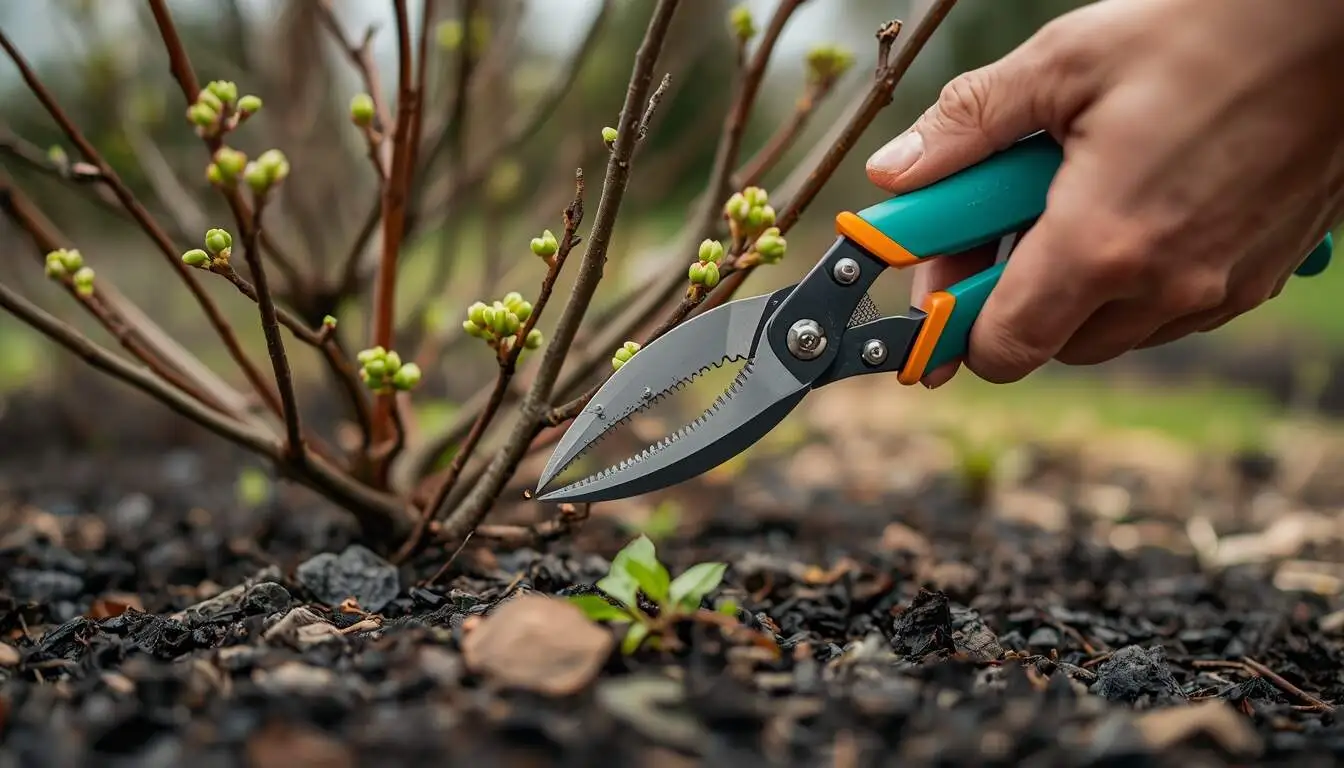
Perform major structural pruning in late winter while the tree remains dormant. This is when you make hard cuts to shorten branches, remove unwanted growth, and develop the basic framework. The tree responds by pushing vigorous new shoots in spring, and these shoots will flower.
During summer, use light pinching to control leaf size and shoot length without removing all the flower buds. Pinch or trim just after flowers fade to tidy up the tree while allowing time for new buds to set for next year.
Wiring Without the Wounds
Crape myrtle bark is beautiful but fragile. Wire bites into the bark quickly and leaves permanent scars. To position branches, wrap wire with paper floral tape first, or use guy-wires attached to the pot rim instead of wrapping branches directly.
Check wired branches weekly during the growing season. Remove wire before it starts cutting into the bark.
Deadwood and Carving Techniques
The wood of crape myrtle is dense and durable. You can create jin (deadwood branches) or shari (stripped bark areas) that add age and character to your bonsai. Use carving tools to shape deadwood, then preserve it with lime sulfur solution.
These techniques work best on established trees with thick trunks. Avoid creating large deadwood features on young, developing bonsai.
Repotting for Long-Term Vitality
Timing the Transition
Repot crape myrtle bonsai every two years for young trees, every three to four years for mature specimens. The best time is early spring when nighttime temperatures stay around 50°F consistently but before the buds open.
Watch for roots growing through drainage holes or circling the soil surface. These signs indicate the tree has filled its current pot.
The Ideal Soil Blueprint
Mix a well-draining bonsai soil that holds some moisture but never stays soggy. A good starting formula combines 50% akadama with 25% pumice and 25% lava rock.
For trees you want to push for heavy flowering, add 30-40% organic matter such as composted pine bark. This holds more nutrients and moisture, supporting the energy demands of bloom production.
Avoid regular potting soil. It compacts in shallow bonsai pots and suffocates roots.
Root Trimming Safety
Remove the tree from its pot and gently comb out the root ball with a root hook. Cut away about one-third of the root mass, focusing on the bottom and outer edges. This encourages new feeder root growth close to the trunk.
Secure the tree in its pot using wire passed through the drainage holes. This prevents the tree from rocking loose while new roots establish.
Water thoroughly after repotting and place the tree in a sheltered location for two weeks while it recovers.
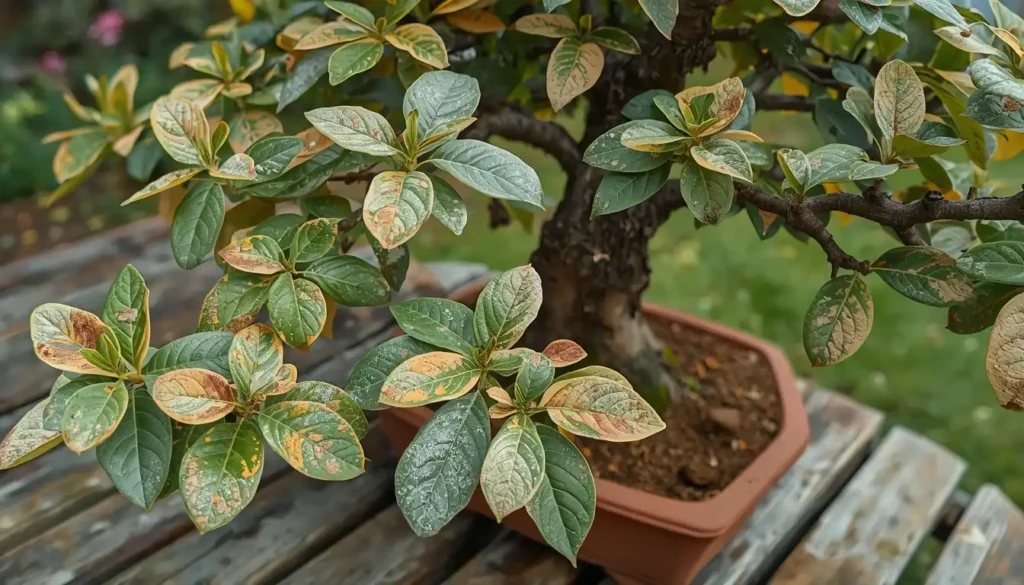
Troubleshooting: Common Mistakes and Disease Management
Solving the Yellow Leaf Mystery
Yellow leaves on crape myrtle bonsai signal different problems depending on the pattern.
Overwatering causes yellowing that starts with older, lower leaves and spreads upward. The soil stays constantly wet, and roots may smell sour. Solution: improve drainage and reduce watering frequency.
Nutrient deficiency, particularly nitrogen or potassium, creates overall pale or yellow foliage. Solution: resume regular fertilization with balanced fertilizer.
Lack of sunlight produces weak, yellowish growth that stretches toward light sources. Solution: move the tree to a brighter location immediately.
Natural Pest Solutions
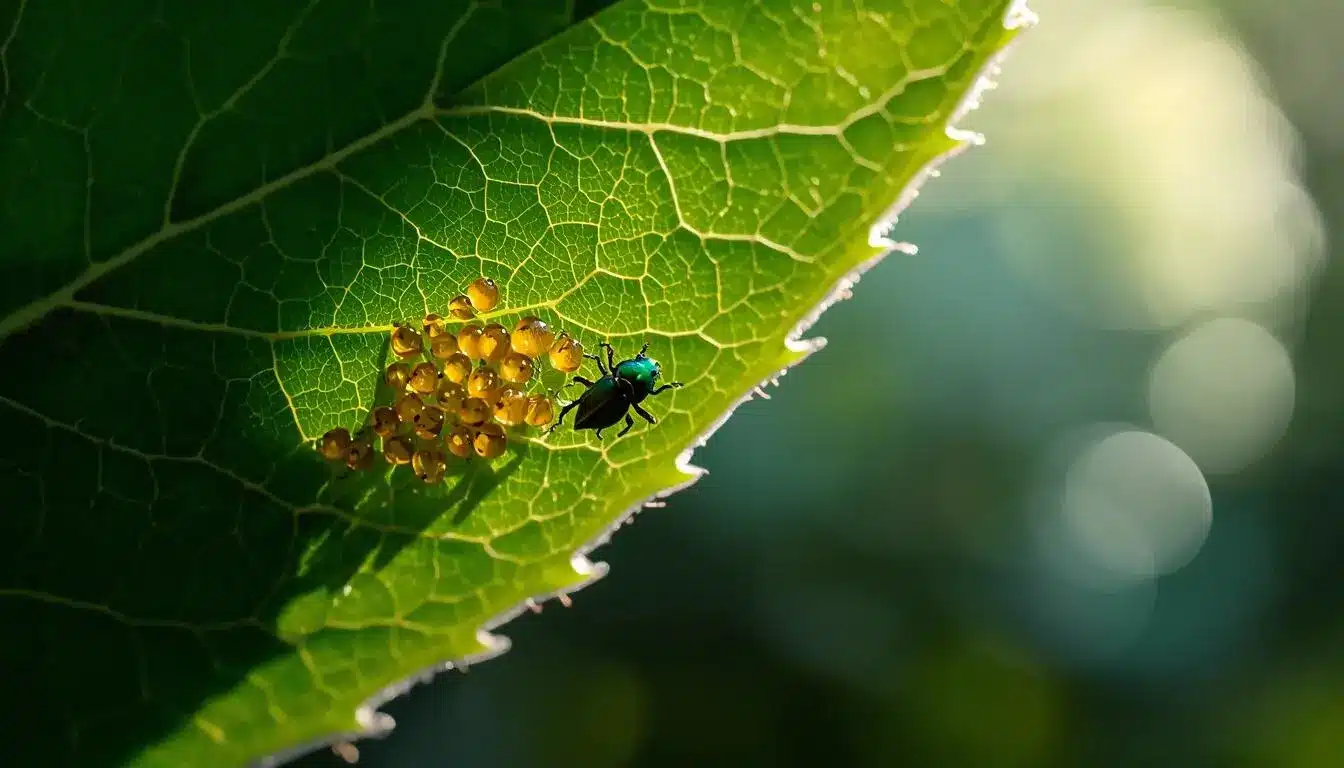
Aphids cluster on new shoots and flower buds in spring; managing sap-sucking insect infestations early is vital to prevent leaf curl and honeydew buildup. Blast them off with a strong spray from a hose, or apply neem oil solution every five to seven days until the infestation clears.
Scale insects appear as small brown bumps on branches. Scrape them off with a soft brush or treat with horticultural oil spray.
Both pests are easier to control when caught early. Inspect your tree weekly during the growing season.
Defeating Powdery Mildew
This fungal disease covers leaves with white powder, especially in humid conditions with poor air circulation. Prevention works better than treatment.
Space branches to allow air movement through the canopy. Prune out crossing branches and dense growth clusters.
Water in the morning so foliage dries before evening. Wet leaves overnight invite fungal problems.
If mildew appears, remove heavily infected leaves and improve air circulation. Organic fungicides containing sulfur or potassium bicarbonate can help in severe cases.
The Seasonal Roadmap: Protecting Your Masterpiece
The Winter Dormancy Requirement
Crape myrtle must experience winter cold to complete its growth cycle. Indoor growing year-round weakens the tree and prevents flowering.
Provide temperatures between 45°F and 54°F for at least eight weeks in winter. This can be an unheated garage, cold frame, or outdoor placement in mild climates.
The tree will drop its leaves. This is normal and healthy. Dormant trees need less water but should never dry out completely.
Frost Protection Strategies
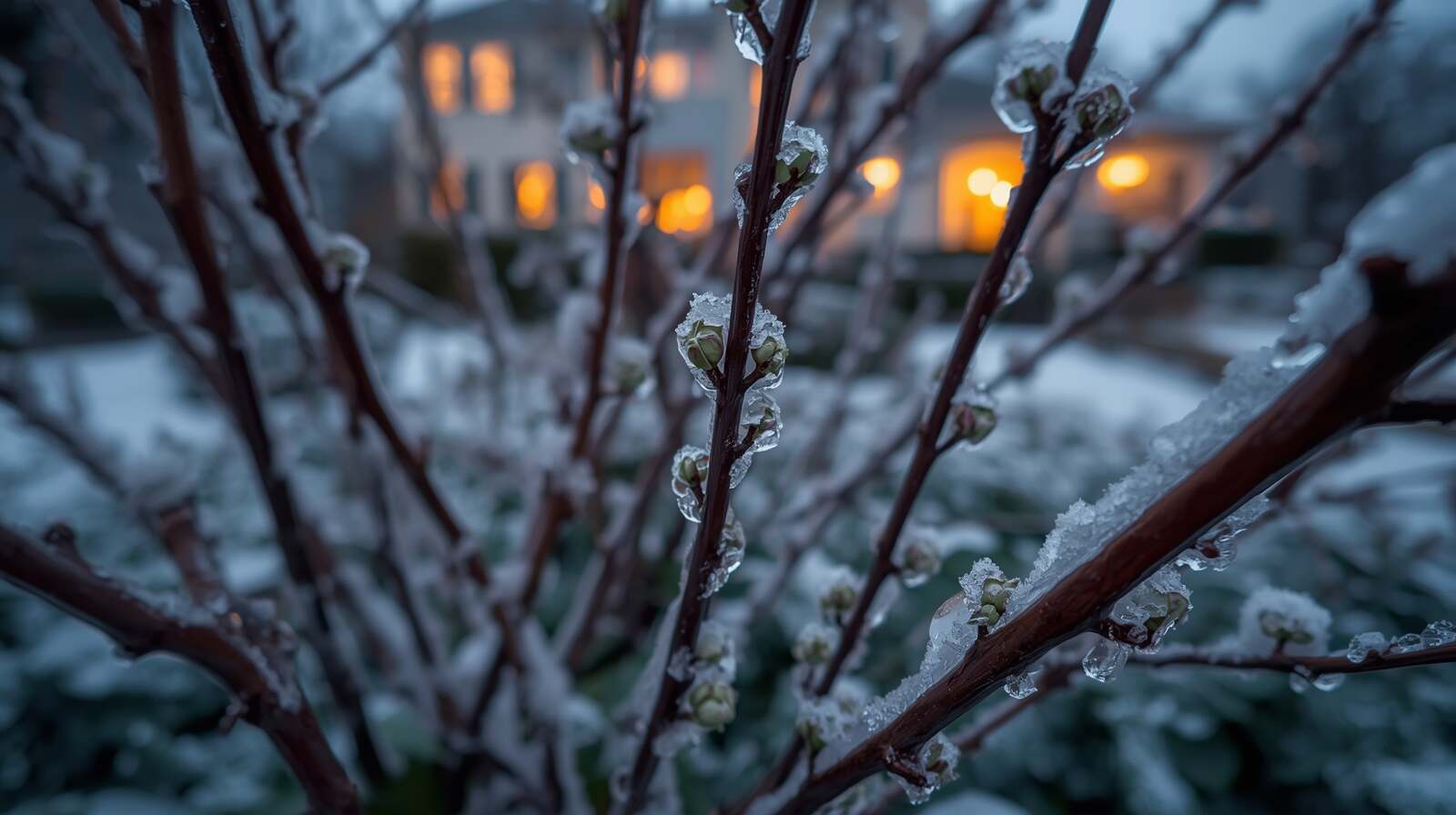
In regions where temperatures drop below freezing, protect your bonsai pot from freeze-thaw cycles that crack ceramic and kill roots.
Wrap the pot in burlap or nestle it into a mulch pile. Move containerized trees to unheated sheds or garages during extreme cold snaps.
The top growth handles cold better than roots in exposed pots. Focus protection on the root system.
Summer Heat Management
When temperatures exceed 90°F regularly, provide afternoon shade to prevent leaf scorch. Morning sun alone often provides enough light for healthy growth during heat waves.
Increase watering frequency but never let pots sit in standing water. Roots need oxygen even in summer.
Your Questions Answered
How often should I water my crape myrtle bonsai?
Water when the soil surface starts to dry but before it becomes completely dry throughout. This might mean twice daily in summer heat, once daily in moderate weather, and every few days in winter. Check soil moisture rather than following a fixed schedule.
Can a crape myrtle bonsai survive indoors?
No, not long-term. Crape myrtle requires full outdoor sun and winter dormancy. It will decline quickly if kept inside year-round. You can bring it indoors for a few days at a time during peak bloom as a display, then return it outside.
Why isn’t my crape myrtle bonsai blooming?
Three common causes prevent flowering: insufficient sunlight (needs 6-8 hours direct sun), heavy pruning in late spring that removes flower buds, or lack of winter dormancy. Address whichever applies to your situation.
What is the best soil mix for crape myrtle bonsai?
Use a well-draining mixture of 50% akadama, 25% pumice, and 25% lava rock. For more flowers, add 30-40% organic matter like composted bark. Avoid dense soils that stay waterlogged.
When is the best time to prune a crape myrtle bonsai for flowers?
Major structural pruning happens in late winter while dormant. Light maintenance pruning after flowers fade in summer allows new buds to develop. Avoid heavy pruning from April through June, as this removes the current year’s flower-bearing shoots.
Is it better to grow crape myrtle bonsai from seeds or cuttings?
Cuttings produce faster results and maintain the characteristics of the parent plant. Seeds take many years to develop trunk thickness. Starting with nursery stock beats both methods for quicker bonsai development, although many enthusiasts enjoy experimenting with vegetative propagation techniques to clone their favorite trees.
How do I protect my bonsai from powdery mildew naturally?
Ensure good air circulation by spacing branches, water in the morning so leaves dry quickly, and avoid overhead watering when possible. If mildew appears, remove infected leaves and apply organic sulfur-based fungicide.
How often do crape myrtle bonsai need to be repotted?
Repot young, vigorous trees every two years. Mature specimens can go three to four years between repottings. Always repot in early spring before the buds break.
Crape myrtle bonsai care becomes straightforward once you understand the plant’s needs. Give it full sun, water properly, prune at the right times, and provide winter rest. Follow these guidelines and you’ll enjoy a bonsai that rewards you with months of colorful blooms every summer.