How to Protect Hydrangeas from Frost: A Complete Guide That Actually Works

Protecting hydrangeas from frost depends entirely on which species you’re growing. Bigleaf hydrangeas form flower buds in fall that sit exposed all winter and die when temperatures drop below 0°F, requiring mulch and wind barriers in zones 5-6. Panicle and smooth hydrangeas bloom on new spring growth and survive to -40°F without any protection. The key is identifying your hydrangea type first, then matching protection methods to your local plant hardiness zone and the plant’s specific tolerance level.
Last spring, I watched my neighbor’s gorgeous bigleaf hydrangeas fail to bloom for the third consecutive year. The plants themselves looked healthy, with lush green leaves and strong stems, but not a single flower appeared. Even with a solid blooming shrub maintenance routine, winter can still be the silent dealbreaker.
If you’ve ever experienced this heartbreak, you’re not alone. Protecting hydrangeas from frost isn’t complicated, but it does require understanding what you’re actually protecting and why most generic advice falls short.
Why Some Hydrangeas Need Protection (And Others Don’t)
Hydrangea Frost Protection by Type
| Hydrangea Type | Blooms On | Hardiness Zone | Winter Protection Needed |
| Bigleaf (H. macrophylla) | Old wood | 5–9 | Yes – Mulch, wind barriers, and covering in zones 5–6. |
| Mountain (H. serrata) | Old wood | 5–9 | Yes – Same as bigleaf types. |
| Panicle (H. paniculata) | New wood | 3–8 | No – Extremely hardy; survives to -40°F. |
| Smooth (H. arborescens) | New wood | 3–9 | No – Very cold hardy. |
| Oakleaf (H. quercifolia) | Old wood | 5–9 | Sometimes – Benefits from protection in zone 5 or harsh winters. |
| Climbing (H. petiolaris) | Old wood | 4–9 | Sometimes – Benefits from protection in the coldest zones. |
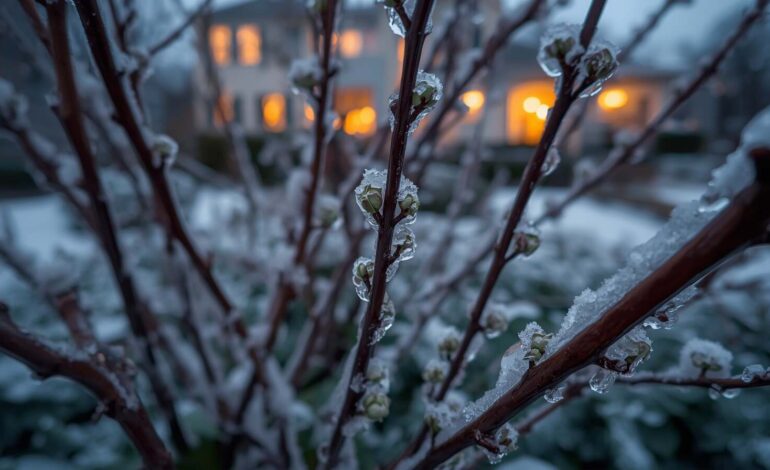
Bigleaf and mountain hydrangeas form their flower buds in late summer, and those buds stay on the stems all winter, where cold below 0°F can kill them. Panicle and smooth hydrangeas create buds on brand new spring growth, so winter cold can’t damage buds that don’t exist yet, making them hardy to zone 3 without any protection needed.
Here’s what most gardening articles won’t tell you upfront: whether your hydrangeas need frost protection depends entirely on which type you’re growing.
Bigleaf hydrangeas (those classic mopheads and lacecaps with pink or blue flowers) form their flower buds in late summer and fall. Those buds sit dormant on the stems all winter long, completely exposed to whatever weather comes their way. If temperatures drop low enough, those buds die, and with them, your entire summer flower show. Mountain hydrangeas have the same vulnerability. If you want to ensure these varieties thrive year after year, mastering seasonal maintenance for cold-sensitive shrubs is essential for consistent blooming.
Panicle and smooth hydrangeas, on the other hand, bloom on brand new growth that emerges in spring. Winter can freeze every stem to the ground, and these tough plants will still pop up and flower beautifully come summer. They’re hardy to Zone 3, which means they can handle temperatures down to -40°F without batting an eye.
Oakleaf and climbing hydrangeas fall somewhere in between. They’re hardier than bigleaf types but still bloom on old wood, so they benefit from protection in colder climates or during unusually harsh winters.
The bottom line: if you don’t know which type of hydrangea you have, find out before you do anything else. Protection strategies that work brilliantly for one type are complete overkill for another.
The Foundation: Mulch (But Not How You Think)
Every guide tells you to mulch your hydrangeas. What they often skip is that bad mulching can actually cause more problems than it solves.
The goal of mulch is twofold: insulate the root zone against temperature swings and prevent frost heaving, that cycle of freezing and thawing that literally pushes plants out of the ground. A 2-4 inch layer of organic material like shredded leaves, pine straw, or composted bark does this job well.
But here’s the critical detail: keep that mulch a few inches away from the base of the plant itself. Mulch piled directly against stems creates a damp, dark environment where rot and fungal diseases thrive. This moisture imbalance is a primary reason for diagnosing hydrangea foliage discoloration, which often signals that the roots are struggling to breathe. Think of it like wearing wet socks inside your boots, technically insulated, but actually making things worse.
I use shredded leaves because they’re free and they break down slowly enough to last the winter without compacting into a soggy mat. Pine straw works beautifully, too, especially in areas with heavy winter rain.
Building a Proper Winter Shelter
Drive three or four stakes around your hydrangea and wrap burlap around them to create a wind barrier that protects flower buds from desiccating winter winds. For zones 5-6, where temperatures regularly drop below 0°F, fill the enclosure with dry leaves or straw to create an insulating air pocket around the stems and buds themselves.
For hydrangeas that really need protection, especially those old-wood bloomers in Zones 5-6 where winter temperatures regularly drop below 0°F, a simple mulch layer isn’t enough. The flower buds themselves need protection.
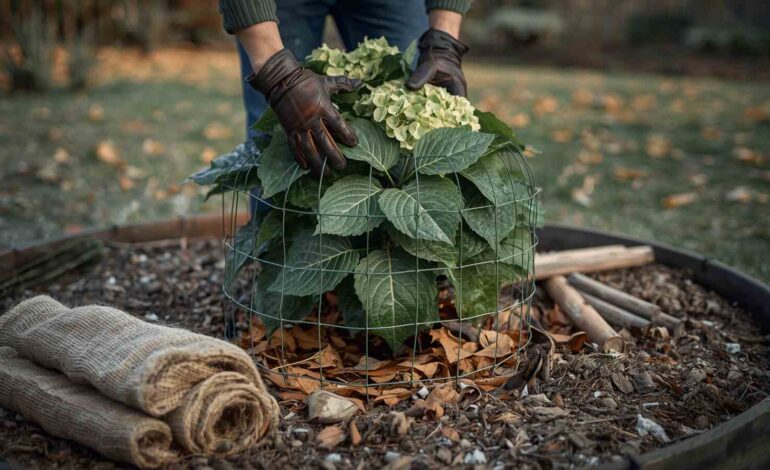
The classic method uses chicken wire to create a cage around the entire plant, which you then stuff with dry leaves or straw. This creates an insulating air pocket around the stems and buds. It works, but it’s also labor-intensive and can look pretty rough if you care about winter aesthetics.
A simpler approach: drive three or four sturdy tomato stakes into the ground around the plant and wrap burlap around them to create a wind barrier. The real damage in winter often comes not from cold alone, but from desiccating winds that suck moisture out of dormant buds. A wind break addresses this directly without requiring you to build an elaborate cage.
That said, stop fertilizing by early fall. Nitrogen-rich fertilizer pushes plants to produce soft, succulent new growth right when they should be hardening off for winter. That tender growth is frost’s favorite target. Instead, focus your feeding efforts in the spring and early summer using natural plant nutrient recipes that support root health without forcing late-season succulent growth.
Why Burlap Often Fails (And What Works Better)
Lightweight frost blankets with drawstring bottoms stay dry, breathe properly, and last for years, making them more effective than burlap, which holds moisture and creates an icy shell around plants. If using burlap, never let it touch the plant directly, and remove it during winter warm spells to prevent moisture buildup that accelerates bud damage.
Here’s something I learned the hard way: burlap has been the go-to recommendation for decades, but it has a fatal flaw. When burlap gets wet from rain, snow, or humidity, it stays wet. A wet fabric draped over your plant creates an icy shell when temperatures drop, which can actually accelerate bud damage rather than preventing it.
Lightweight frost blankets or freeze cloths with drawstring bottoms work much better. They’re breathable, they shed moisture, and they’re reusable year after year. You can find them at any garden center, and while they cost more upfront than burlap, they’ll outlast it by a decade.
If you do use burlap, never let it touch the plant directly, and remove it during winter warm spells to prevent moisture buildup.
The Dangerous Zone: Late Spring Frosts
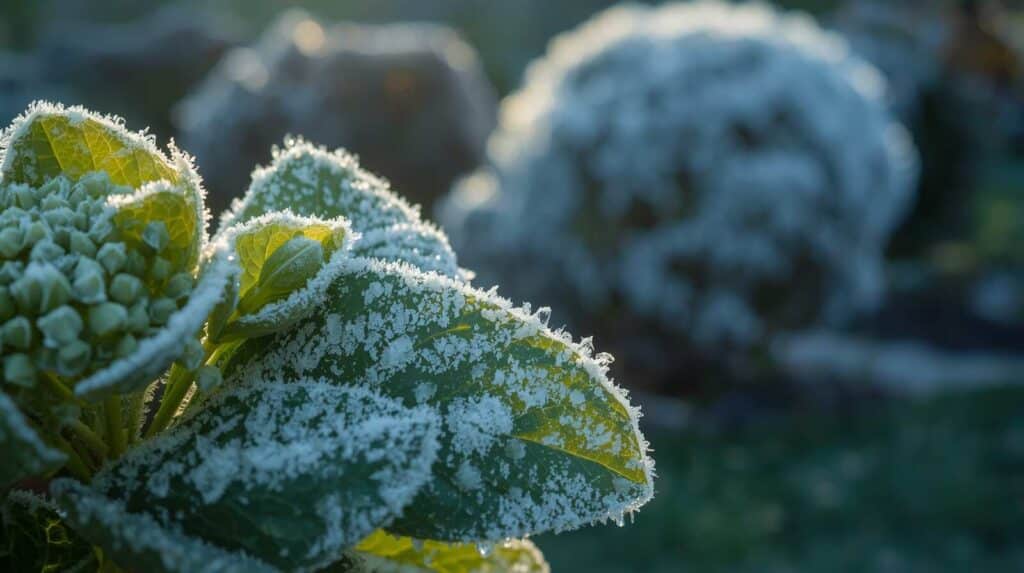
Late spring frosts between 31°F and 35°F damage actively growing tissue that’s full of water, destroying buds that survived the entire winter. Watch weather forecasts from April through May and cover leafed-out hydrangeas with frost blankets overnight when temperatures are expected to dip below 32°F, removing covers the next morning.
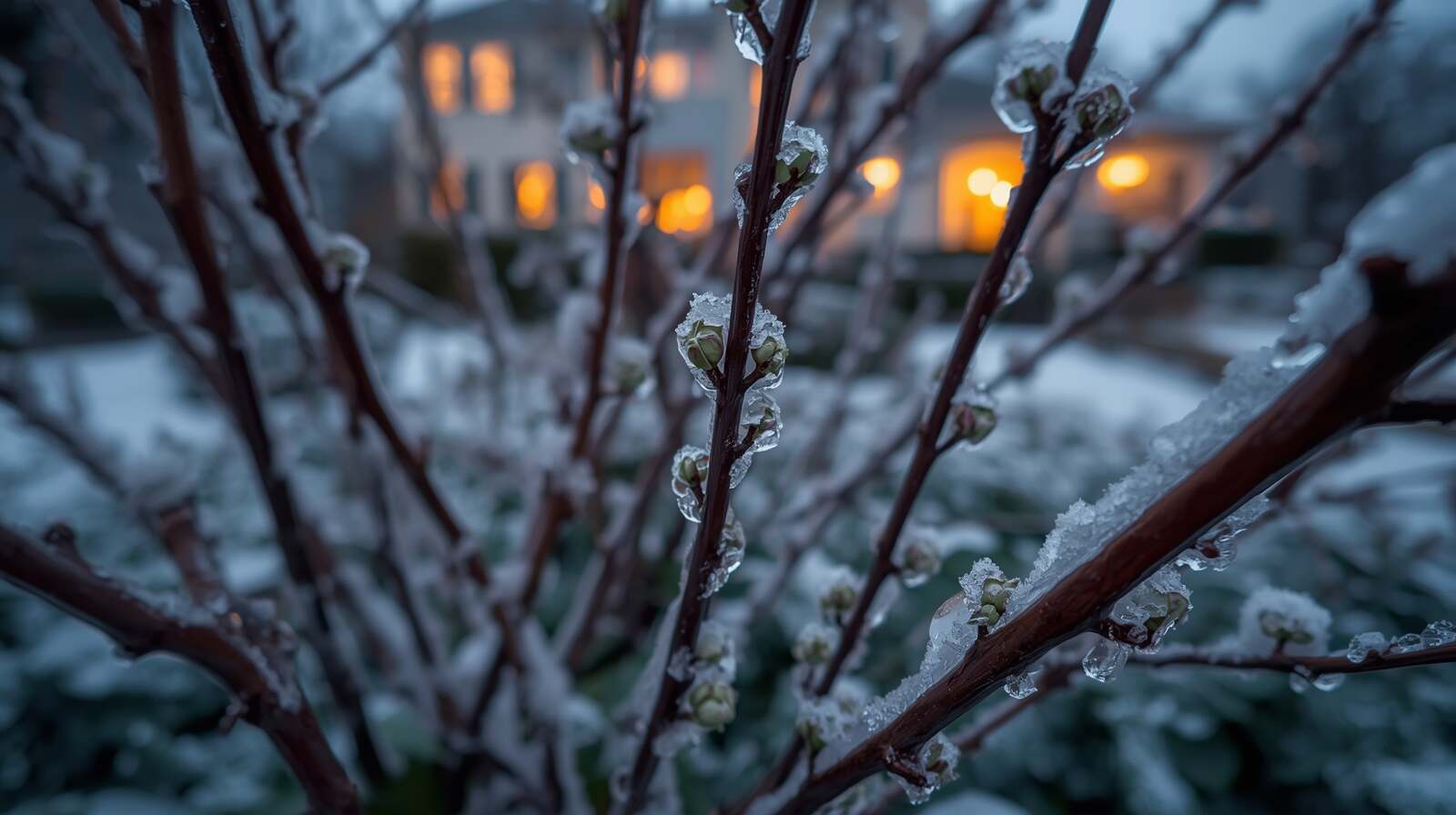
The most devastating frost damage doesn’t happen in January; it happens in April or May, just as your hydrangeas are breaking dormancy and new buds are swelling.
Watch your thermometer when temperatures start hovering between 31°F and 35°F. This is the threshold where actively growing tissue begins to freeze. A hard frost at this stage can wipe out buds that survived the entire winter.
If a late frost is forecast and your hydrangeas have already leafed out, throw a frost blanket over them for the night. Yes, it’s annoying. Yes, it’s worth it. Those emerging buds are at their most vulnerable when they’re actively growing and full of water.
One trick I’ve picked up from experienced gardeners: pay attention to when forsythia blooms in your area. That bright yellow explosion is nature’s signal that the risk of hard frost has passed and it’s safe to do spring cleanup and pruning.
Protecting Potted Hydrangeas
Move potted hydrangeas to an unheated garage or shed where temperatures stay between 32°F and 40°F, keeping plants dormant without freezing roots solid. If you can’t move them inside, wrap the entire pot in bubble wrap or blankets and place it against a south-facing wall for thermal protection.
Container plants face a unique challenge: their roots are surrounded by much less insulating material than in-ground plants. A pot sitting on a patio can freeze solid, and when roots freeze hard enough, the water inside their cells forms ice crystals that puncture cell walls. That’s game over.
The best option is moving pots to an unheated garage, shed, or basement where temperatures stay just above freezing, ideally between 32°F and 40°F. This keeps plants dormant without freezing them solid.
Can’t bring them inside? Wrap the entire pot in bubble wrap or old blankets and move it against a south-facing wall. The wall provides thermal mass that moderates temperature swings, and the insulation on the pot protects the root ball.
Here’s what not to do: don’t bring potted hydrangeas into your heated house for the winter. They need a cold dormancy period to bloom properly. A heated room disrupts this cycle, and you’ll end up with a confused plant that struggles to flower.
Check soil moisture once a month through winter. Dormant plants need very little water, but they shouldn’t dry out completely. Water only when temperatures are above 40°F; watering frozen soil can cause root damage.
Reading the Signs: Is Your Hydrangea Dead or Just Dormant?
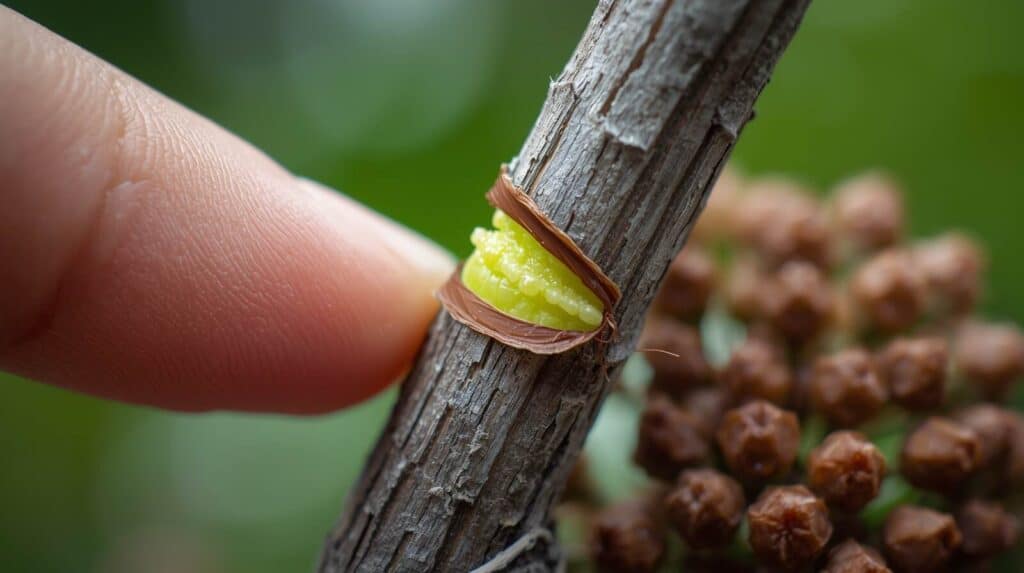
Wait until active spring growth begins before pruning suspected frost damage, then scratch the bark with your fingernail to check for green tissue underneath that signals living wood. Green means alive, brown means dead, and you should prune gradually back to healthy buds rather than cutting the entire plant down.
After a brutal winter or late frost, it’s hard to tell what’s dead and what’s just playing dead. Don’t grab your pruners the moment you see brown stems.
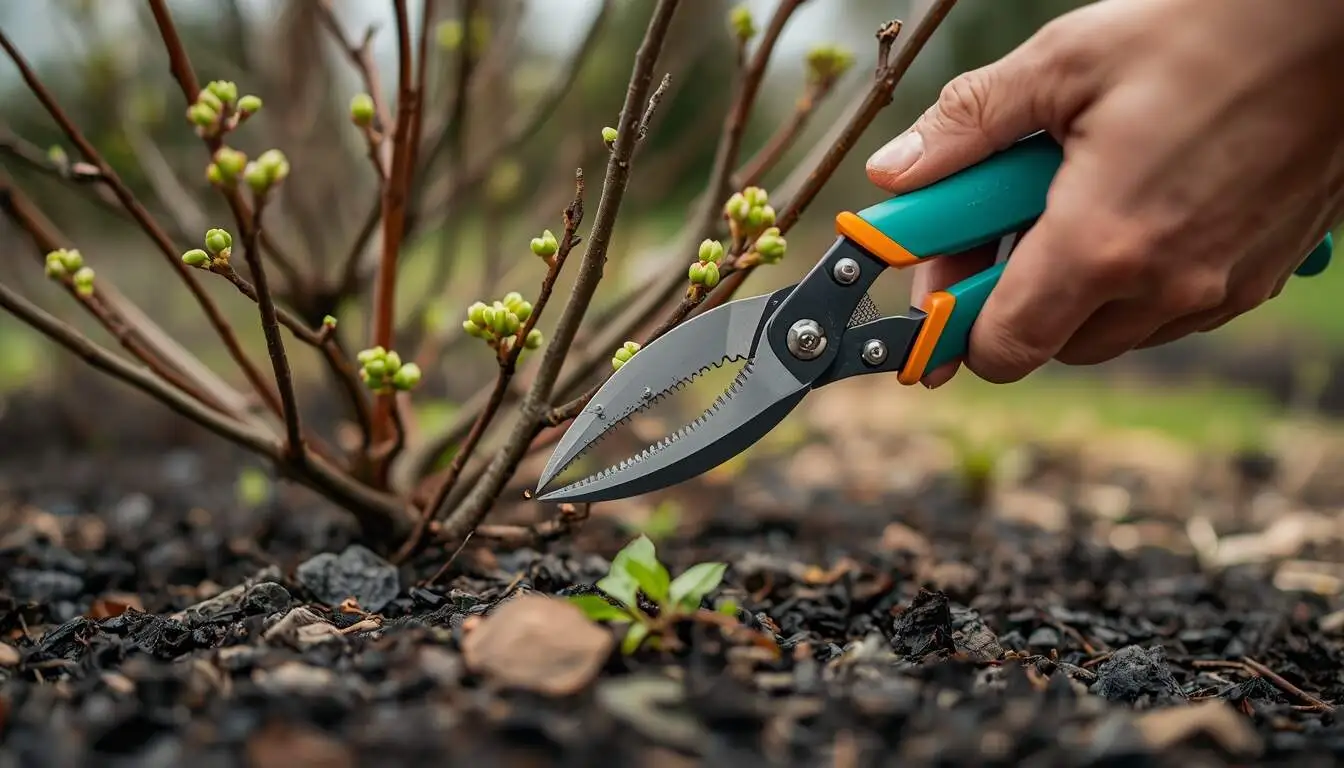
Use the scratch test: lightly scrape a small section of bark with your fingernail. Green tissue underneath means that the stem is alive. Brown or tan tissue means it’s dead and can be pruned away.
Here’s the key: wait. Wait until the plant starts actively growing in spring before you make major pruning decisions. I know it’s hard to look at those brown stems, but pruning too early removes stems that might still have viable buds lower down.
If you’re growing one of the newer remontant varieties like ‘Endless Summer,’ you have built-in insurance. These cultivars will bloom on new wood even if old wood dies, so a bad winter won’t completely rob you of flowers.
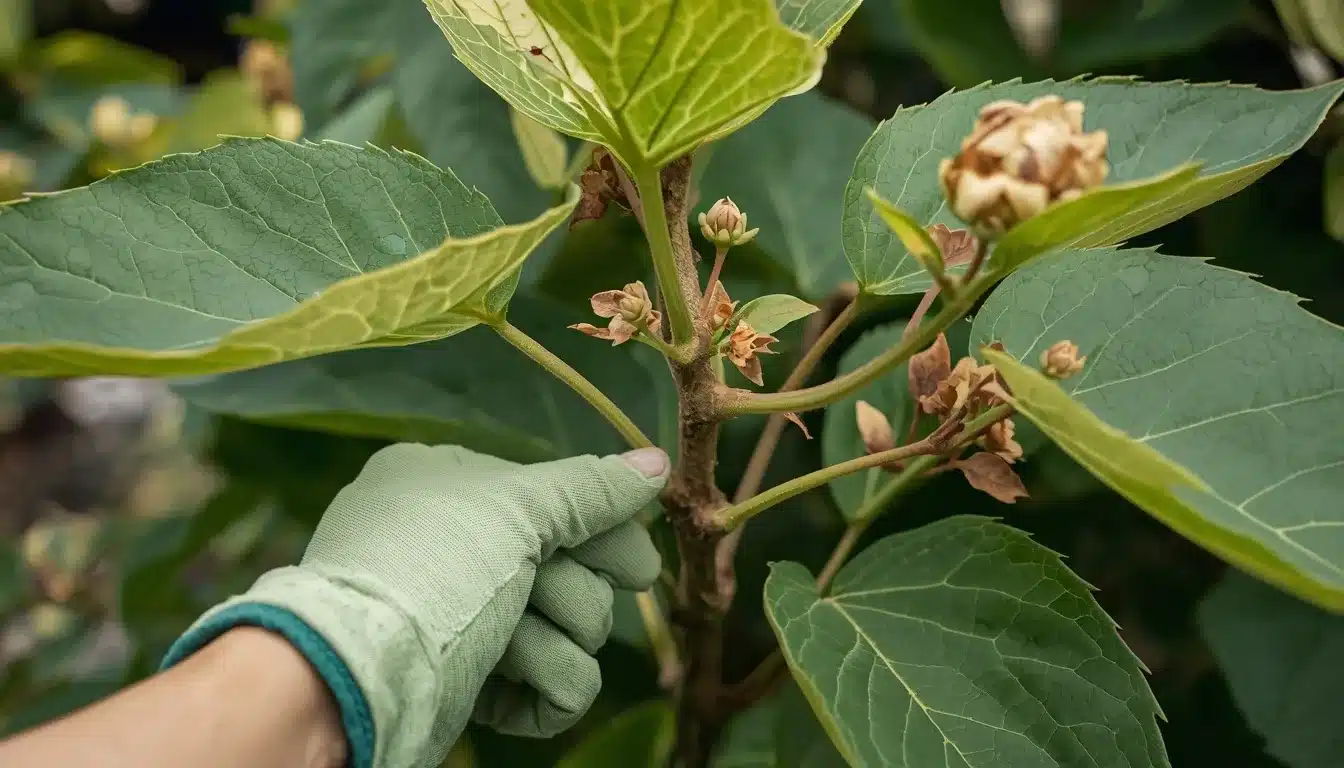
When you do see frost damage, limp shoot tips, or blackened emerging leaves, prune back to the next set of healthy, firm buds. Don’t scalp the entire plant. Work gradually and give the hydrangea time to show you what survived.
The Real-World Reality Check
I’ll be honest: if you’re gardening in Zone 5 or colder and you’re in love with bigleaf hydrangeas, you’re signing up for annual winter protection work. There’s no way around it. These plants evolved in moderate coastal climates, and northern winters are simply beyond their comfort zone.
You have three choices: do the work to protect them, accept that they’ll bloom sporadically, or switch to bulletproof panicle hydrangeas that don’t need any of this fuss.
For container plants, the calculus is different. Moving a few pots into a garage takes ten minutes and guarantees success. There’s really no excuse not to do it.
The most common mistake I see is gardeners trying to split the difference, doing half-measures that waste effort without actually protecting the plant. Either commit to proper protection or choose hardier varieties. Anything in between is just decorative busywork.
When to Remove Winter Protection
Remove winter protection gradually in early spring when daytime temperatures stay consistently above 40°F and buds begin to swell but haven’t fully broken yet. Take off wind barriers first, then reduce mulch over a week or two, doing this on a cloudy day to prevent shocking tender buds with sudden bright sun exposure.
This is where timing matters more than most people realize. Remove protection too early, and a late cold snap undoes all your work. Leave it on too long, and you risk encouraging rot and preventing the plant from hardening off properly for the growing season.
Start checking your hydrangeas in early spring when daytime temperatures consistently stay above 40°F. When you see buds beginning to swell but before they fully break, it’s time to remove protection gradually.
Do it on a cloudy day if possible; sudden exposure to bright sun can shock tender buds. Remove wind barriers first, then reduce the amount of mulch around the crown over the course of a week or two.
Keep a frost blanket handy through mid-spring. If weather forecasts predict an overnight dip below 32°F after your plants have leafed out, cover them temporarily. This last-minute protection has saved countless flower displays from late-season frosts.
The Bottom Line
Protecting hydrangeas from frost isn’t mysterious, but it does require matching your effort to your specific plant and climate. A panicle hydrangea in Zone 5 needs nothing more than basic mulch. A bigleaf hydrangea in the same location needs serious winter protection if you want reliable blooms.
The good news is that once you understand which category your plants fall into, the actual work becomes routine. Fifteen minutes of prep in late fall can mean the difference between spectacular summer blooms and another year of disappointment.
And if you discover that your climate and your chosen hydrangea variety are fundamentally incompatible? There’s no shame in switching to something that thrives without all the drama. Sometimes the best protection is simply growing the right plant for your conditions.
People Asking About Hydrangeas
1. Why did my hydrangea grow healthy green leaves but no flowers this summer?
The most common reason is winter bud kill. Bigleaf and Mountain hydrangeas form their flower buds in the fall. If winter temperatures drop below $0^\circ F$ ($-18^\circ C$) or a late spring frost occurs, those buds die. The plant itself is hardy and will produce lush leaves, but the “old wood” buds that hold the flowers are gone for the season.
2. Can I use plastic sheeting to cover my hydrangeas?
No, you should avoid plastic. Plastic doesn’t breathe and can trap moisture against the stems, leading to rot or fungal diseases. Even worse, plastic can act like a greenhouse on sunny days, heating up the plant and then freezing it rapidly at night. Use breathable fabrics like burlap or specialized frost blankets instead.
3. When is the best time to prune my hydrangeas after winter?
Wait until late spring when the plant has started to leaf out. This allows you to see exactly which stems are dead and which are just dormant. Use the “scratch test” (scraping the bark to look for green underneath) to confirm life before cutting. Pruning too early can accidentally remove viable flower buds that just haven’t opened yet.
4. Do I need to water my hydrangeas during the winter?
If they are in the ground, they generally don’t need water unless it’s an exceptionally dry winter with no snow. However, potted hydrangeas should be checked once a month. If the soil is bone-dry, give them a small amount of water on a day when temperatures are above $40^\circ F$ ($4^\circ C$) to keep the roots hydrated without freezing them.
5. Are there hydrangeas that don’t need any winter protection at all?
Yes! Panicle hydrangeas (like ‘Limelight’) and Smooth hydrangeas (like ‘Annabelle’) are incredibly hardy, surviving temperatures as low as $-40^\circ F$ ($-40^\circ C$). Because they bloom on “new wood” (growth that starts in the spring), you don’t have to worry about winter cold killing their flowers.