
Is Azalea Poisonous? Risks for Pets, Humans & Prevention Tips

⚠️ MEDICAL EMERGENCY WARNING
If someone or a pet has eaten any part of an azalea plant, call for help immediately:
– ASPCA Animal Poison Control: (888) 426-4435
– Human Poison Control: 1-800-222-1222
– Your local emergency vet or hospital
Don’t wait for symptoms to show up. Grayanotoxin poisoning can cause heart problems within 15-30 minutes. Time matters.
This article provides educational information only. It does not replace professional medical or veterinary advice. Always consult a qualified healthcare provider for diagnosis and treatment.
Many gardeners ask, ‘Are azaleas toxic?’ The answer is yes. Every part of the plant—leaves, flowers, stems, and nectar- contains grayanotoxins, a group of toxins that affect the heart and nervous system in both people and animals.
These flowering shrubs from the Rhododendron family show up in gardens across the country. They’re popular because they bloom beautifully in spring and need less maintenance than many other ornamentals. But that popularity comes with risk, especially in homes with pets or young children.
The ASPCA Animal Poison Control Centre handles thousands of azalea poisoning cases each year, making it one of the top ten toxic plants reported. Dogs and cats are particularly vulnerable. Just a few leaves can cause vomiting, drooling, and irregular heartbeat. In severe cases, pets can die without immediate treatment.
Small children face similar dangers. The bright flowers look tempting, and kids explore the world by putting things in their mouths. Even though the plant tastes bitter and most people spit it out quickly, the small amount consumed can still cause stomach pain, dizziness, and heart rhythm problems.
This guide breaks down what makes azaleas toxic, what symptoms to watch for, and how to respond if poisoning happens. You’ll also learn practical ways to keep azaleas in your landscape while protecting your family and pets.
Just like azaleas, other common flowering vines can pose significant health risks if ingested. It is helpful to understand the clinical signs of exposure to toxic climbing vines to ensure your backyard remains a safe environment for curious toddlers.
Is Azalea Poisonous?
Yes, azaleas are toxic to humans, pets, and livestock. The entire plant contains grayanotoxins—naturally occurring poisons that disrupt sodium channels in nerve and muscle cells. When ingested, these toxins prevent nerves from functioning properly, causing symptoms that range from nausea and vomiting to cardiac arrest.
Fatalities in humans are rare, primarily because azaleas taste extremely bitter. Most people spit out the plant material before swallowing enough to cause serious harm. However, even small amounts can trigger stomach pain, excessive salivation, dizziness, and blurred vision within 15 to 30 minutes.
Animals face greater danger. Dogs, cats, horses, and livestock lack the immediate aversion humans have to the bitter taste. Pets may chew on azalea leaves or flowers out of curiosity, and grazing animals might consume the plant if other food is scarce. For a 50-pound dog, eating just 0.2% of its body weight in fresh azalea leaves, roughly 1.6 ounces, or about 5-7 leaves, can cause life-threatening toxicity.
The severity of poisoning depends on three factors: the amount consumed, the size and species of the victim, and how quickly treatment begins. Smaller animals and children face a higher risk because the same dose has a stronger effect on their smaller bodies.
What Makes Azaleas Poisonous?
Azaleas produce grayanotoxins—a family of diterpene compounds that exist in all parts of the plant but concentrate most heavily in the leaves and flowers. These molecules belong to a larger group called grayanoids, and scientists have identified at least 25 different types. The most common and well-studied is grayanotoxin I (also called andromedotoxin).
How Grayanotoxins Work
Your body’s nerves and muscles communicate through electrical signals. These signals depend on sodium channels, tiny protein gates in cell membranes that open and close to control the flow of sodium ions.
Under normal conditions, these channels open briefly to allow sodium in, creating an electrical impulse, then close quickly to reset. This on-off rhythm keeps your heart beating steadily and your nerves firing correctly.
Grayanotoxins change that rhythm. When you ingest the toxin, it binds to sodium channels and holds them open. The channels can’t close properly, so sodium keeps flooding into cells. This causes continuous stimulation of nerves and muscles.
In your digestive system, this overstimulation triggers nausea, vomiting, and diarrhoea. In your heart, it disrupts the normal electrical pattern that controls your heartbeat, leading to bradycardia (slow heart rate) or arrhythmias (irregular rhythms). In severe cases, the heart’s electrical system becomes so chaotic that it stops pumping effectively.
Why Dosage Matters
The concentration of grayanotoxins varies depending on the azalea species, the part of the plant, the time of year, and even growing conditions. Spring growth and flowers typically contain the highest concentrations.
For humans, consuming 0.2 to 2 mg of grayanotoxin per kilogram of body weight can cause moderate to severe symptoms. For a 150-pound adult, that’s roughly 14 to 140 mg total—an amount that could come from eating a handful of leaves or flowers.
Animals are even more sensitive. A 20-pound dog may show severe symptoms after consuming as little as 2-3 mg of grayanotoxin, which could be present in just a few leaves. Horses, despite their size, are extremely vulnerable. A single pound of fresh azalea leaves contains enough toxin to kill a 1,000-pound horse.
The smaller the victim, the greater the impact. This is why children and small pets face the highest risk from even minor exposure.
Effects of Azalea Poisoning
Symptoms typically appear within 15 minutes to 3 hours after ingestion. The timeline and severity depend on how much was eaten, how quickly the toxin enters the bloodstream, and the size of the person or animal affected.
First 15-30 Minutes: Early Warning Signs
The mouth reacts first. You’ll feel an intense burning or tingling sensation on your lips, tongue, and inside your cheeks. This happens because grayanotoxins irritate mucous membranes on contact.
Within minutes, you’ll start producing excessive saliva. Your mouth waters constantly, and swallowing doesn’t help. Some people describe it as feeling like their mouth won’t stop drooling.
In pets, this shows up as heavy drooling that soaks their fur and drips continuously. Dogs and cats may paw at their mouths or rub their faces on the ground, signaling discomfort.
Nausea hits next, often followed by vomiting. Your stomach cramps, and you feel an urgent need to throw up. Pets will vomit repeatedly and may develop diarrhea shortly after.
30 Minutes to 2 Hours: Systemic Effects
As the toxin spreads through your bloodstream, it reaches your heart and nervous system.
Your heart rate slows down—sometimes dramatically. This condition, called bradycardia, can make you feel weak, dizzy, or lightheaded. Some people experience chest tightness or discomfort.
Blood pressure drops, which worsens the dizziness. You might feel like you’re going to faint, especially when standing up. Your vision may blur or you might see spots or flashing lights.
Coordination suffers. Your arms and legs feel weak or heavy. Walking becomes difficult. Fine motor tasks like buttoning a shirt or holding a cup become challenging.
Pets show similar signs: they stumble, can’t stand steadily, or lie down and refuse to move. Their gums may appear pale or even bluish if oxygen circulation is compromised.
2-6 Hours: Severe Complications
In serious cases—typically when someone has eaten a substantial amount, the toxin’s effects intensify.
Heart arrhythmias develop. Your heart doesn’t just beat slowly; it beats irregularly. You might feel skipped beats, fluttering sensations, or sudden racing followed by pauses. This is the most dangerous phase of azalea poisoning.
Neurological symptoms escalate. Some people experience tremors or full-body shaking that they can’t control. Seizures can occur, though they’re more common in animals than humans.
Severe muscle weakness makes movement nearly impossible. Pets often collapse completely and can’t lift their heads. Breathing may become shallow or laboured.
In rare cases, people report hallucinations—seeing or hearing things that aren’t there. Confusion and disorientation are common.
Critical Risk Period: 6-24 Hours
Without treatment, cardiac complications can become fatal during this window. The heart’s electrical system may deteriorate to the point where it can’t maintain an effective rhythm.
Horses are particularly vulnerable. Cardiac arrest can occur suddenly, even in animals that seemed to be stabilizing. Permanent heart damage is possible in horses that survive severe poisoning.
Recovery Timeline
With prompt veterinary or medical care, most people and pets recover fully within 24 to 72 hours. Treatment focuses on eliminating the toxin, managing symptoms, and supporting heart function until the grayanotoxins clear from the system.
Children face a higher risk than adults because their smaller body size means the same amount of toxin has a more concentrated effect. Immediate medical attention is critical for anyone under 18 who ingests azalea.
Pets that receive treatment within 2 hours of ingestion have the best prognosis. Delayed care significantly increases the risk of permanent damage or death.

Is Azalea Poisonous to Humans?
Yes, all parts of the azalea plant are toxic to humans, though serious poisonings are uncommon. Grayanotoxins concentrate most heavily in the leaves and nectar, but the stems, flowers, and even the roots contain enough toxin to cause illness.
Why Human Poisonings Are Rare
When considering are azaleas toxic to humans, it is important to note that most adults won’t accidentally eat them because the plant has an intensely bitter, unpleasant taste., unpleasant taste. Your mouth recognizes the toxin almost immediately, triggering a strong rejection response. People typically spit out the plant material within seconds, before swallowing enough to cause severe harm.
Children are at higher risk. Young kids explore by taste, and they’re less likely to recognize danger signals. The bright pink, red, or white flowers look appealing, almost like candy. A curious toddler might chew on petals or leaves long enough to ingest a harmful dose.
Even a small amount, a single leaf or a few flower petals, can make a child sick. Symptoms include nausea, stomach pain, vomiting, excessive drooling, dizziness, and visual disturbances like blurred vision or seeing spots.
Severe Symptoms Require Emergency Care
In larger doses, grayanotoxin poisoning causes serious cardiovascular and neurological problems:
– Dangerously low blood pressure (hypotension)
– Slow or irregular heartbeat (bradycardia and arrhythmias)
– Severe muscle weakness
– Tremors or seizures
– Loss of consciousness
– Respiratory depression
Deaths from azalea poisoning in humans are extremely rare in the United States, but they do occur, particularly in cases involving children, intentional ingestion, or delayed medical treatment. Globally, most documented fatalities come from consuming “mad honey,” honey made by bees that collected nectar from azaleas or rhododendrons.
Can You Get Sick From Touching Azaleas?
Most people can handle azalea plants without any problems. The toxin doesn’t absorb readily through intact skin.
However, individuals with sensitive skin may experience mild irritation, redness, or an allergic rash after prolonged contact with the leaves or sap. This is more common when pruning or doing extensive gardening work without gloves.
If you have cuts, scrapes, or broken skin on your hands, the sap may cause stinging or burning at the site. Always wash your hands thoroughly after handling azaleas, and avoid touching your face, mouth, or eyes until you’ve cleaned up.
The primary danger remains ingestion, not touch. Keep this in mind when teaching children about plant safety—looking at azaleas is fine, but they should never put any part of the plant in their mouths.
What to Do If Someone Eats Azalea
1. Remove any plant material still in the mouth immediately
2. Rinse the mouth with water (don’t force them to drink)
3. Call Poison Control at 1-800-222-1222 or 911
4. Provide information about how much was eaten and when
5. Do not induce vomiting unless instructed by medical professionals
Be prepared to describe symptoms. Medical responders need to know if the person is experiencing heart palpitations, difficulty breathing, confusion, or loss of consciousness.
Treatment
Emergency departments typically use activated charcoal to prevent additional toxin absorption if the patient arrives within 2 hours of ingestion. Doctors may also provide:
– IV fluids to support blood pressure and hydration
– Atropine to stabilize heart rate
– Anti-nausea medication
– Continuous cardiac monitoring
Most patients who receive prompt care recover fully within 24-48 hours. Long-term complications are rare when treatment begins quickly.
Gardening Safety
If you maintain azaleas in your landscape:
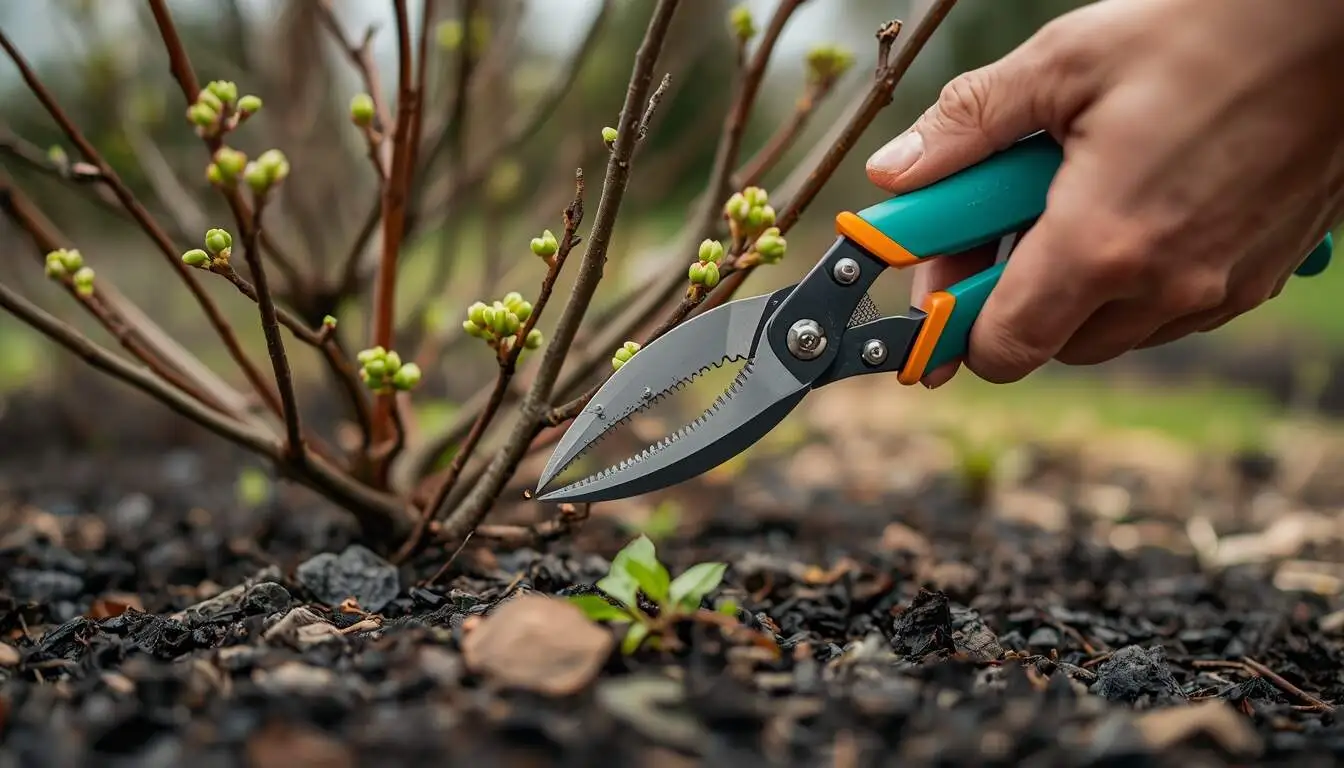
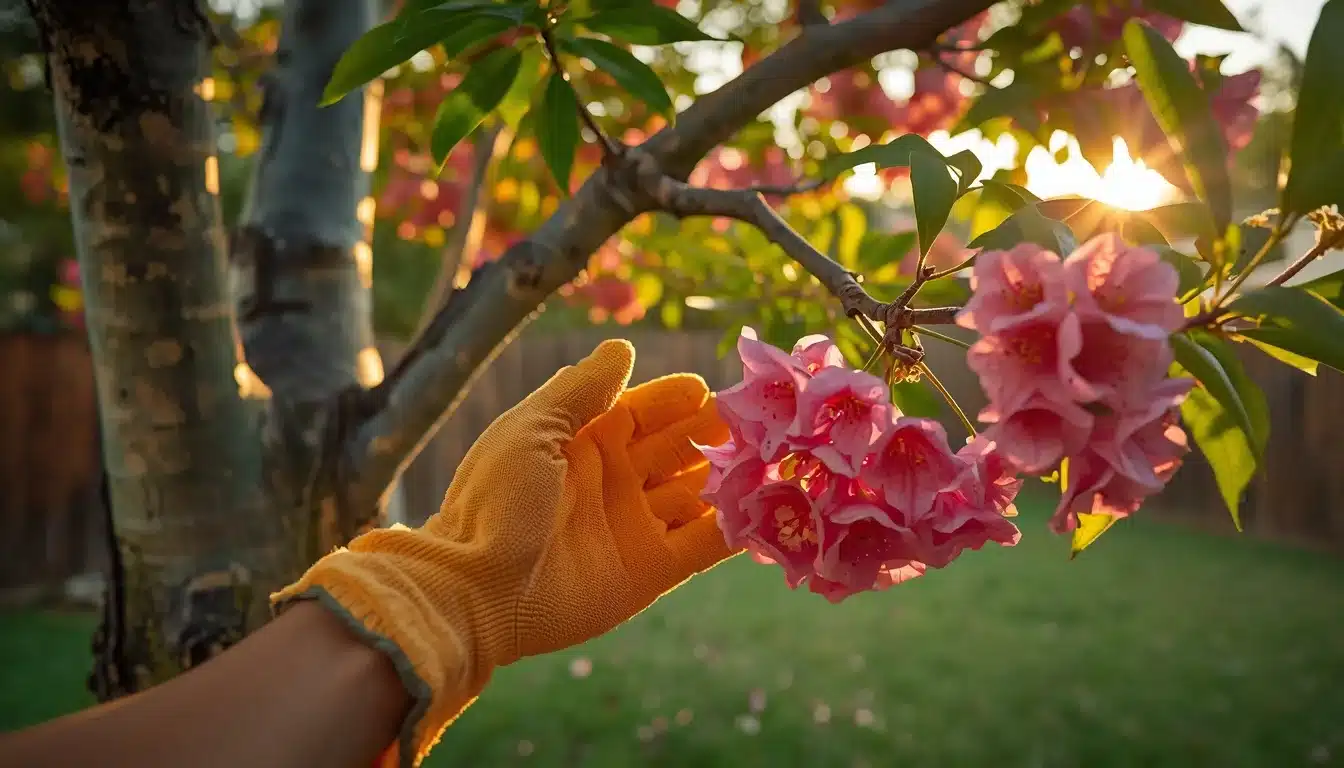
– Wear gloves when pruning or handling the plants
– Wash hands and arms thoroughly after gardening
– Keep pruning debris and clippings away from children and pets
– Dispose of trimmed branches in sealed bags, not compost bins
– Teach children to identify the plant and understand it’s not safe to taste
Many people successfully grow azaleas while keeping their families safe. Awareness and simple precautions make all the difference.
When planning your garden layout, consider more than just toxicity. Some gardeners find that certain traditional ornamentals are difficult to contain. Learning about the aggressive growth habits of non-native woody creepers can prevent your landscape from becoming overgrown and unmanageable.
Is Azalea Poisonous to Pets?
If you are a pet owner wondering are azaleas toxic, the short answer is that they are highly dangerous to dogs, cats, horses, and livestock. Every part of the plant contains grayanotoxins, including the leaves, flowers, stems, bark, and roots. Even the water in a vase holding cut azalea branches can contain enough toxin to make an animal sick.
Why Pets Are More Vulnerable Than Humans
Dogs and cats explore the world through their mouths. They chew on plants out of curiosity, boredom, or because they’re attracted to the texture or smell. Unlike humans, who immediately recognize azalea’s bitter taste as a warning, pets often continue chewing long enough to ingest a dangerous amount.
Their smaller body size means toxicity occurs at much lower doses. A 20-pound dog that eats just three to five fresh azalea leaves may consume enough grayanotoxin to cause severe symptoms. For a 10-pound cat, even less plant material poses a life-threatening risk.
Symptoms in Dogs and Cats
Signs of azalea poisoning typically appear within 15 minutes to 2 hours after ingestion. Watch for:
Digestive symptoms:
– Heavy drooling (hypersalivation)
– Vomiting, sometimes with blood
– Diarrhea
– Loss of appetite
– Lip smacking or pawing at the mouth
Cardiovascular symptoms:
– Slow heart rate (bradycardia)
– Irregular heartbeat (arrhythmia)
– Weak pulse
– Low blood pressure
– Pale or blue-tinged gums
Neurological symptoms:
– Weakness or lethargy
– Stumbling or loss of coordination
– Tremors or muscle twitching
– Seizures
– Depression or unresponsiveness
Respiratory symptoms:
– Difficulty breathing
– Shallow or rapid breathing
In severe cases, untreated pets can slip into a coma or experience cardiac arrest. Death can occur within 6 to 24 hours if the toxin load is high and treatment is delayed.
What to Do If Your Pet Eats Azalea
Act immediately. Every minute matters.
1. Remove plant material from your pet’s mouth if you can do so safely
2. Call your veterinarian or emergency animal hospital right away
3. Contact Pet Poison Helpline at (855) 764-7661 or ASPCA Animal Poison Control at (888) 426-4435
Do not wait for symptoms to appear. Grayanotoxin poisoning can progress rapidly.
Do not induce vomiting unless specifically instructed by a veterinarian. In some cases, vomiting can worsen the situation or cause aspiration pneumonia.
Veterinary Treatment
Your vet will likely start treatment immediately, even before test results come back. Standard protocols include:
Decontamination:
– Inducing vomiting (if the pet ate the plant within the past 1-2 hours)
– Administering activated charcoal to prevent further toxin absorption
– Gastric lavage (stomach pumping) in severe cases
Supportive care:
– IV fluids to maintain hydration and blood pressure
– Medications to control vomiting and nausea
– Atropine or other drugs to stabilize heart rate
– Oxygen therapy if breathing is compromised
– Anti-seizure medication if needed
Monitoring:
– Continuous ECG to track heart rhythm
– Blood pressure checks
– Blood tests to assess organ function
With aggressive treatment started within 2 hours of ingestion, most dogs and cats recover fully within 24 to 72 hours. The prognosis worsens significantly if treatment is delayed beyond 4-6 hours.
Long-Term Effects
Pets that survive severe azalea poisoning may develop lasting heart damage, particularly if they experienced prolonged arrhythmias. Follow-up veterinary exams and possibly cardiac evaluations may be necessary.
Prevention
If you have azaleas in your yard and own pets:
– Fence off areas where azaleas grow, or plant them in raised beds pets can’t access
– Supervise outdoor time closely, especially with puppies and curious dogs
– Train your dog to “leave it” on command
– Remove fallen flowers and leaves from the ground regularly
– Consider replacing azaleas with pet-safe alternatives like camellias or roses
Even dried or wilted azalea leaves remain toxic, so don’t assume dead plant material is safe. Dispose of pruning debris in sealed trash bags, never compost piles where pets might dig.
The Bottom Line
Azalea poisoning in pets is preventable. Awareness and quick action save lives. If your pet has access to azaleas, know the symptoms and keep emergency numbers easily accessible.
Is Azalea Poisonous to Livestock or Wildlife?
Azaleas are extremely dangerous to horses, cattle, sheep, goats, and other grazing animals. In fact, livestock are more sensitive to azalea toxicity than dogs, cats, or humans. A relatively small amount can cause rapid deterioration and death.
Why Horses Face the Highest Risk
Horses are particularly vulnerable for several reasons. First, they’re browsers—they nibble on a variety of plants while grazing, which means they might consume azalea leaves mixed with grass or other forage. Second, azalea toxicity in horses progresses very quickly, often before owners realize anything is wrong.
The lethal dose for horses is shockingly small. One to two pounds of fresh azalea leaves—roughly the equivalent of 10 to 20 leaves—can kill a 1,000-pound horse. That’s less than 0.2% of the horse’s body weight.
Even more concerning: wilted or dried azalea leaves retain their toxicity for months. Hay contaminated with dried azalea clippings has caused fatal poisonings in winter when fresh pasture wasn’t available.
Symptoms in Horses
Signs typically appear within 30 minutes to 6 hours after ingestion:
Early signs:
– Excessive salivation with white foam at the mouth
– Refusal to eat or drink
– Depression or listlessness
– Colic-like symptoms (pawing, looking at flanks)
Progressive symptoms:
– Slow or irregular heartbeat
– Weak, thready pulse
– Difficulty breathing or laboured respiration
– Muscle tremors or twitching
– Staggering or inability to stand
Severe symptoms:
– Convulsions or seizures
– Complete collapse
– Loss of consciousness
– Sudden cardiac arrest
Death can occur within hours if the horse consumed a large amount of plant material. Even with veterinary intervention, the prognosis for horses with severe azalea poisoning is poor.
Other Livestock and Ruminants
Cattle, sheep, and goats face similar dangers, though their grazing patterns make accidental poisoning somewhat less common than in horses. These animals typically avoid azaleas when other forage is available because of the plant’s bitter taste and unpleasant smell.
However, poisoning can occur when:
– Pastures are overgrazed and food options are limited
– Azalea trimmings or yard waste are dumped in fields
– Animals break through fences into landscaped areas
– Drought conditions reduce available forage
Symptoms in ruminants mirror those in horses: excessive salivation, weakness, vomiting (in animals capable of it), cardiac arrhythmias, and potential sudden death.
Wildlife and Wild Grazing Animals
Deer occasionally browse on azaleas, though they typically prefer other plants. If you are concerned about your landscape, you can learn more about whether deer eat azalea bushes and how their browsing habits affect these shrubs. Wild rabbits, groundhogs, and other herbivores may also nibble on azalea foliage.
These animals seem to have some instinctive avoidance behavior, likely due to the plant’s taste and smell. Poisoning in wild animals is less commonly reported, possibly because affected animals die in remote areas where they’re not observed, or because wildlife populations have adapted to recognize and avoid toxic plants.
What to Do If Livestock Eats Azalea
This is a veterinary emergency. Do not wait.
1. Separate the animal from the azalea source immediately
2. Call your large animal veterinarian or emergency equine hospital
3. Provide details: how much was likely consumed and how long ago
4. Do not attempt treatment yourself: grayanotoxin poisoning requires professional medical intervention
Do not give activated charcoal, oil, or induce vomiting without veterinary guidance. Improper treatment can worsen the outcome.
Veterinary Treatment for Livestock
Treatment focuses on decontamination and life support:
– Gastric lavage (stomach pumping) in horses, if caught very early.
– IV fluids to support circulation and blood pressure.
– Atropine or other cardiac drugs to stabilize heart rhythm.
– Mineral oil or activated charcoal to reduce toxin absorption.
– Supportive nursing care.
Despite aggressive treatment, survival rates for horses with severe azalea poisoning remain low. Many horses die before they reach veterinary care, and others succumb to cardiac complications within 24 hours despite treatment.
Prevention on Farms and Pastures
If you maintain livestock, azaleas have no place on your property. Even ornamental plantings near barns, fences, or driveways pose a risk. If you have grazing animals, eliminate azaleas from your property entirely. The same level of vigilance is required for other stubborn, toxic vegetation. If you are struggling with persistent vines, you may need a comprehensive guide for the permanent removal of woody garden intruders.
Remove existing azaleas:
– Dig out plants completely, including roots
– Dispose of all plant material safely (do not compost)
– Check for regrowth and remove immediately
Fence management:
– Ensure pasture fencing keeps animals well away from landscaped areas
– Check fences regularly for damage that could allow access
– Educate neighbors about the danger if their yards border your pasture
Hay and feed safety:
– Source hay from trusted suppliers who understand toxic plant risks
– Inspect hay deliveries for contamination
– Never use yard waste or landscape clippings as feed or bedding
Property surveillance:
– Walk your property regularly to identify any wild azaleas or rhododendrons
– Remove these plants before animals can access them
– Be especially vigilant in spring when new growth is most palatable
Long-Term Effects in Survivors
Horses that survive severe azalea poisoning often develop permanent heart damage. Chronic arrhythmias can affect the animal’s athletic performance and overall quality of life. Some horses require long-term cardiac medication.
Regular veterinary monitoring with ECG evaluation may be necessary to assess heart function in animals that have recovered from poisoning.
The Bottom Line for Livestock Owners
Azalea toxicity in horses and livestock is a serious, often fatal condition. Prevention is the only reliable strategy. If you have grazing animals, eliminate azaleas from your property entirely and maintain vigilant fence management to prevent accidental exposure.
What to Do if Someone or a Pet Eats an Azalea?
It’s important to act quickly if you think someone or a pet has eaten a piece of an azalea plant. For people, get rid of any plant matter that is still in their mouths right away and rinse them out with water. Call your area’s poison control centre or emergency services immediately. Be ready to talk about the symptoms and how much of the plant was eaten.
Some common symptoms are feeling sick, throwing up, being dizzy, having low blood pressure, or having problems with your heart. To stop the body from absorbing toxins, doctors may use activated charcoal or other methods.
For animals like dogs, cats, or farm animals, call your vet or an animal poison control number right away. Don’t wait for signs to show up; getting help early is very important. Animals may vomit, drool, have diarrhoea, feel weak, or have heartbeats that aren’t normal. Your vet may make your pet vomit, give them activated charcoal, and give them supportive care like IV water or medicines to keep their heart and brain working normally.
How to Safely Grow Azaleas Around Pets or Kids?
Azaleas are beautiful and colourful plants. You can still enjoy their beauty while keeping your family safe, though, if you take the right steps.
Pick a Safe Spot: Put azaleas in places where kids and pets can’t get to them. Accidental contact or eating is less likely in raised beds, fenced-off yard areas, or containers set up on high surfaces. Plant them away from paths and places where kids or pets like to play or run.
Teach and watch: Tell your kids they can’t touch or eat any part of a plant without an adult’s permission. When kids and pets are outside, especially in places where poisonous plants azalea, grow, keep a close eye on them.
Use Natural Barriers: To keep animals away from your azalea plants, you could put thorny bushes or ornamental fencing around them. Pets and kids may be less likely to approach or chew on the plants if these barriers are in the way.
Quickly Clean Up Plant Debris: Dropped flowers, leaves, or branches should be picked up and thrown away regularly, because pets or children may be curious and chew on them. Garden trash and trimmings should be thrown away safely and out of the way.
Opt for Pet-Friendly Alternatives: If you’re worried about safety, you could replace azaleas with non-toxic flowers like camellias, snapdragons, or marigolds that are just as pretty without the risks.
Know Emergency Contacts: Keep the phone numbers for your local poison control centre and doctor handy. If ingestion ever happens, quick action is very important.
Safe Alternatives to Azaleas
If you love the bright flowers of Azaleas, then many other beautiful plants are safe and won’t hurt anyone. These plants can make your yard look nicer and give you peace of mind.
1. Camellias
As an alternative to Azaleas, camellias are a great choice. Their leaves stay shiny all year, and their flowers are beautiful in shades of pink, red, and white. Camellias are safe for people and pets, so they are a good choice for gardening that everyone can enjoy.
2. Cypress trees
Hydrangeas have lush flower groups that look like globes and change colour based on the pH of the soil. Although they can be slightly poisonous if eaten in large amounts, they are much less dangerous than azaleas and are usually thought to be a better choice as long as they are properly supervised.
3. Snapdragon
Snapdragons have bright, upright flowers that are safe for kids and pets. You can grow them easily, they come in many colours, and look great in borders or pots.
4. Marigolds
The marigold is a happy flower that doesn’t need much care and is safe to use. They are safe for you and your yard and naturally keep pests away.
5. Bee Balm (Heuchera)
Pollinators like bees and butterflies are drawn to bee balm, which is safe for people and animals. It comes in bright pinks, reds, and purples and smells nice and fresh.
6. Roses
Roses are a standard choice that is also safe, as long as you don’t use any harmful chemicals or pesticides on them. They look nice for a long time and can be grown in many shapes, from trees to climbers.
Conclusion
Azaleas are beautiful and popular in many gardens, but they can be dangerous. These plants are poisonous to pets, wildlife, and even people. If you have azaleas in your yard, it’s important to know about the poisonous effects and take safety steps. This is especially important if you have pets or young children who might touch or eat the plants. You can either keep azaleas and watch them carefully, or choose safer plants instead. Either way, making your garden safe is just as important as making it beautiful.
FAQs
Can azalea poisoning occur from eating honey?
Known as “Mad Honey,” honey produced by bees that forage on azaleas and rhododendrons contains grayanotoxins. Ingesting this honey can cause dizziness, hypotension, and blurred vision in humans.
How long do azaleas remain toxic after being cut or dried?
The grayanotoxins in azaleas are highly stable. Leaves and flowers remain toxic even after they have wilted, dried, or been dead for several months.
Is the smoke from burning azalea wood poisonous?
Yes, burning azalea branches or wood can release toxins into the air. Inhaling the smoke or using the wood for cooking fires can lead to respiratory irritation and potential systemic toxicity.
Can a pet get sick from drinking the water in an azalea vase?
Yes. Grayanotoxins are water-soluble. If cut azaleas are placed in a vase, the toxins can leach into the water, making it dangerous for a cat or dog to drink.
Will azaleas hurt birds or butterflies that feed on them?
Most birds and pollinators have evolved to tolerate or avoid the toxins. However, the nectar is specifically toxic to certain types of bees (other than those that produce “Mad Honey”), which acts as a natural defence mechanism for the plant.
How do I distinguish an azalea from a non-toxic lookalike?
Azaleas are often confused with Camellias. The easiest way to tell is by the leaves: azaleas have small, thin leaves with fine hairs, while camellias have thick, glossy, serrated leaves and no hairs.