Will Crepe Myrtle Damage Your Foundation? Expert Answers & Safe Planting Guide

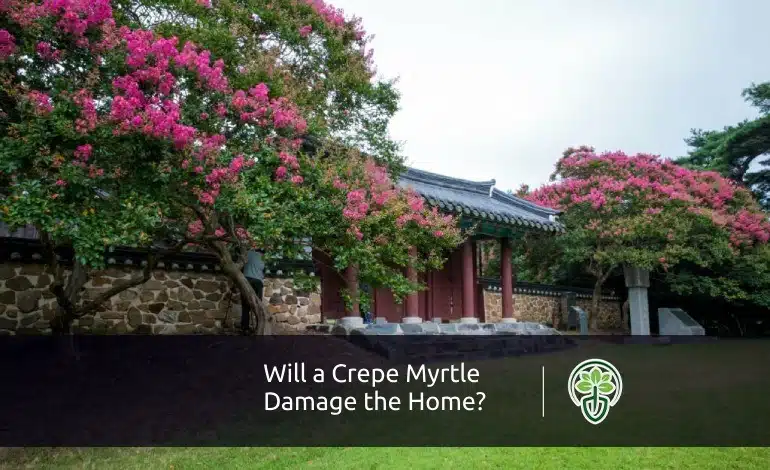
Crepe Myrtles (Lagerstroemia indica) are popular flowering trees known for their vibrant blooms and attractive peeling bark. If you’re thinking about planting one near your house, driveway, or walkways, you’re probably wondering: Will a Crepe Myrtle damage my home?
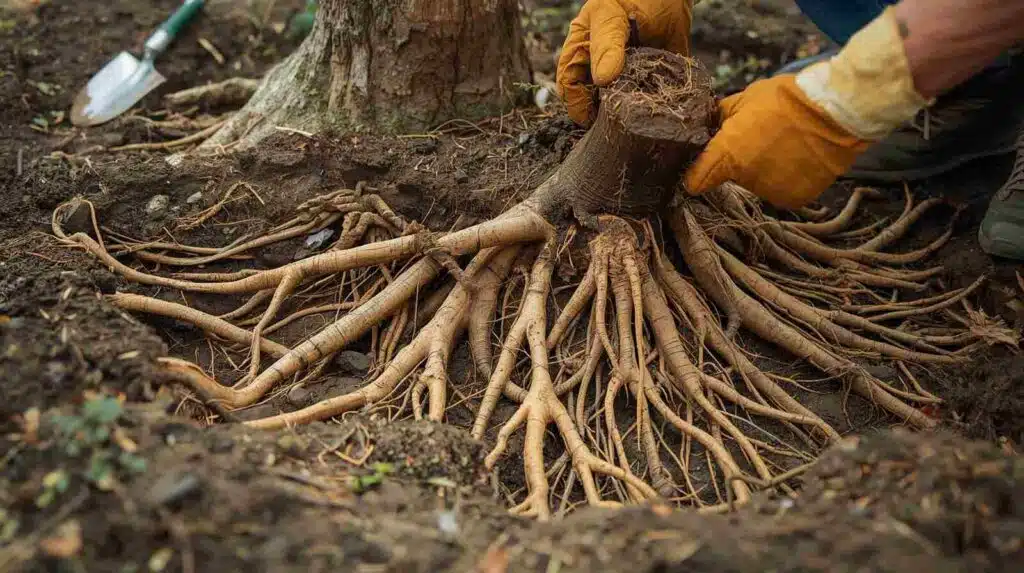
Here’s the good news. According to the University of Georgia Cooperative Extension, Crepe Myrtles have shallow, fibrous root systems that spread horizontally rather than developing deep taproots. This root structure makes them far less aggressive than trees like willows, poplars, or ficus trees, which are notorious for damaging foundations and pipes.
However, like any tree, Crepe Myrtles need proper placement and care. Research from multiple university extension services indicates that while crepe myrtle roots do not aggressively crack concrete or invade pipes, they can still cause issues if planted too close to structures. Aside from structural integrity, the botanical safety of these ornamentals makes them an excellent choice for residential landscapes, as they are non-toxic to children and animals. The roots typically extend two to three times the width of the tree’s canopy and reach only 12 to 24 inches deep into the soil. Crepe Myrtles are safe for families and pets; they are non-toxic to children and animals, making them an excellent choice for residential landscapes.
In this guide, I’ll walk you through everything you need to know about Crepe Myrtle root systems, the real risks to your home, and how to plant them safely. I’ve spent years working with homeowners on tree placement, and I’ve seen both successful plantings and problem situations. Let’s make sure yours is a success.
Do Crepe Myrtles Have Deep Roots?
No, Crepe Myrtles do not have deep roots. Unlike trees with taproot systems that grow vertically downward, Crepe Myrtles develop what’s called a fibrous root system.
How Deep Do Crepe Myrtle Roots Actually Grow?
According to horticultural research, the major structural roots of a mature Crepe Myrtle typically reach only 10 to 24 inches deep into the soil. This is considered shallow compared to many other landscape trees. The Mississippi State University Extension Service confirms that Crepe Myrtles have “shallow, fibrous root systems” that primarily spread horizontally near the soil surface.
How Far Do the Roots Spread?
While they don’t grow deep, Crepe Myrtle roots spread wide. The root system extends horizontally up to three times the width of the tree’s canopy. So if your Crepe Myrtle’s branches spread 10 feet wide, the roots could reach 30 feet from the trunk, though they’ll stay close to the surface.
This horizontal growth pattern is actually why you should avoid planting grass or shallow-rooted flowers directly under Crepe Myrtles. The tree’s roots will compete for water and nutrients, making it difficult for other plants to thrive in that area.
Why This Matters for Your Home
The shallow, spreading nature of crepe myrtle root systems has both advantages and disadvantages:
Advantages:
– Less likely to damage deep underground utilities
– Won’t crack through solid, intact concrete foundations
– Easier to manage with root pruning if necessary
– Better for soil erosion control
Disadvantages:
– Can lift surface structures like sidewalks if planted too close
– May compete with nearby plantings for moisture
– Vulnerable to damage from deep digging or construction
– Can produce root suckers that need regular removal
What Are the Root Systems for Crepe Myrtle?
Root Structure of Crape Myrtle Tree:
- The crepe myrtle tree root system is known for being exceptionally robust and spreading. It consists primarily of a shallow, fibrous root system that extends horizontally rather than deep into the ground.
Shallow but Extensive:
- Crape myrtle roots typically extend horizontally, sometimes as far as 3 feet beyond the tree’s canopy. This broad spread helps the tree capture water and nutrients from a wide area.
Fibrous Roots:
- The tree’s roots are fibrous, consisting of many fine roots that help the tree absorb water and nutrients effectively. This is especially beneficial in dry conditions.
Growth Pattern:
- Crepe myrtle trees tend to develop a few main roots with numerous smaller lateral roots. These lateral roots help in stabilizing the tree and anchoring it securely in the soil.
Adaptation to Soil Conditions:
- The crepe myrtle tree’s root system adapts to a variety of soil conditions but prefers well-drained, slightly acidic soils. Thanks to its extensive root network, it is also known to tolerate drought once established.
Avoiding Root Damage:
- The roots of the crepe myrtle tree are typically shallow, making them vulnerable to damage during deep cultivation or digging around the tree. To prevent harm to the root system, it’s important to avoid disturbing the soil around the tree.
Root Suckers:
- A common feature of the crepe myrtle tree root system is the production of root suckers. These are new shoots that emerge from the root system, often resulting in new growth around the tree’s base.
Effect on Nearby Plants:
- Due to the extensive spread of the roots, crepe myrtle trees can sometimes outcompete nearby plants for nutrients and water, especially in crowded garden spaces.
Recent Research:
- Recent studies on crepe myrtle trees have focused on the growth and spread of their root systems, particularly in urban environments. Research suggests that the root system can help mitigate soil erosion, making it valuable for landscaping purposes.
According to the University of Georgia Cooperative Extension’s publication on Crape Myrtle Culture, “Research has shown that organic matter amendments are not necessary when planting in individual holes. Amendments in the hole encourage roots to stay within the hole and not grow outward into the surrounding native soil. While these roots spread widely, their impact on underground plumbing is much less severe than that of aggressive trees like willows or ficus.
Choosing the Right Crepe Myrtle Size for Your Space
One of the most common mistakes I see is people planting a tree that grows too large for the available space. Crepe Myrtles come in a wide range of sizes, from compact 2-foot shrubs to towering 30-foot trees.
Crepe Myrtle Size Categories
Miniature/Dwarf Varieties (2-5 feet tall)
– Ideal for: Small gardens, borders, containers, foundation plantings
– Spacing from structures: 3-4 feet minimum
– Popular varieties: Pokomoke, Chickasaw, Petite series (Petite Pinkie, Petite Red Imp, Petite Plum)
– Root spread: 6-15 feet
Semi-Dwarf Varieties (6-10 feet tall)
– Ideal for: Medium gardens, hedge borders, accent plantings
– Spacing from structures: 6-8 feet minimum
– Popular varieties: Black Diamond series, Magic series
– Root spread: 18-30 feet
Medium Varieties (10-15 feet tall)
– Ideal for: Privacy screens, landscape focal points, shade trees for patios
– Spacing from structures: 10-12 feet minimum
– Popular varieties: Catawba, Pink Velour, Tuscarora
– Root spread: 30-45 feet
Standard/Large Varieties (15-30 feet tall)
– Ideal for: Specimen trees, large properties, shade trees
– Spacing from structures: 15-20 feet minimum
– Popular varieties: Natchez, Muskogee, Dynamite, Red Rocket
– Root spread: 45-90 feet
Matching Tree Size to Your Needs
According to the North Carolina State Extension, most standard Crepe Myrtles grow 15 to 30 feet tall, while newer dwarf cultivars like Chicksaw and Pokomoke grow only 2 to 3 feet in height.
For foundation plantings: Choose dwarf varieties under 5 feet tall
Near driveways and walkways: Semi-dwarf varieties (6-10 feet) work well
As shade trees: Medium to large varieties (15-30 feet)
In containers: Dwarf and semi-dwarf varieties only
Remember, the variety you choose directly impacts how far you need to plant from structures. Larger varieties need more space, not just above ground but below ground where their roots spread.
Will a Crepe Myrtle Stain a Driveway or A Car?
You should be aware that they can be messy. Crepe Myrtles shed their blossoms and leaves throughout the year, which can create a lot of cleanup. If the petals fall onto your car, you will be stuck with an icky brown outline that’s a real pain to get off.
So prepare to deal with many fallen petals after planting a Crepe Myrtle next to a driveway, deck, porch, or sidewalk. Occasionally, debris from your Crepe Myrtle can stain your car if you don’t clean it immediately.
So, Crepe Myrtle is not the best choice if you’re looking for a low-maintenance tree.
What is the Potential Damage to Homes and Structures?
Most of my new readers have concerns about the potential to damage foundations and structures by Crepe Myrtles. From my observation, the fibrous roots exert enough force to crack or break concrete foundations. They can cause indirect damage by uplifting sidewalks, creating cracks, and introducing moisture.
- Uplifting Sidewalks and Walkways: As roots expand, they can exert upward pressure, potentially lifting sidewalks and walkways, especially those close to the tree.
- Creating Cracks and Fissures: Root growth can lead to cracks and fissures in foundations, particularly if the soil is dry and shrinks.
- Introducing Moisture and Pests: Roots can attract moisture, potentially leading to dampness and mold growth near foundations. Roots can also make a pathway for termites to enter the home.
We’ve covered the foundation concerns here, but for everything you need to know about property damage from roots to branches, read our in-depth analysis.
Will Crepe Myrtle Roots Damage Pipes or Foundations?
This is the question I get asked most often, and the answer requires a bit of nuance.
The Truth About Crepe Myrtles and Foundation Damage
Crepe Myrtle roots are unlikely to break through solid, intact concrete foundations. The roots are relatively weak and fibrous, not strong enough to crack through undamaged concrete. This is confirmed by multiple horticultural experts and extension services.
However, and this is important, Crepe Myrtles can cause indirect foundation problems:
Moisture Issues: The roots grow close to the surface and can direct moisture toward your foundation, potentially creating dampness problems. This is especially concerning in areas with clay soil that expands and contracts with moisture.
Existing Damage: If your foundation already has cracks or weak spots, roots will find these openings. While they won’t create the initial crack, they can make existing damage worse.
Surface Lifting: The horizontal spread of roots can lift sidewalks, patios, and driveways if planted within 3 to 4 feet of these structures.
Can Crepe Myrtle Roots Damage Pipes?
Here’s where we need to separate myth from reality. While these trees are generally considered ‘pipe-friendly’ due to their non-invasive nature, homeowners should still understand the risks associated with subterranean utility lines and plumbing. Modern PVC water and sewer lines are quite resistant to root intrusion when properly installed
Modern PVC Pipes: Today’s PVC water and sewer lines are quite resistant to root intrusion when properly installed. Crepe Myrtle roots are not aggressive enough to break through intact PVC pipes.
Older Clay or Cast Iron Pipes: According to plumbing experts, older clay sewer pipes and deteriorating cast iron pipes are vulnerable to root intrusion. If these pipes already have cracks, gaps, or loose joints, Crepe Myrtle roots can grow into these openings seeking moisture and nutrients.
A recent article from Titan Brothers Plumbing notes that when choosing trees with less invasive roots, “varieties like crape myrtle or olive” planted at least 20 feet from buried water lines significantly reduce plumbing risks. This positions Crepe Myrtles as one of the safer choices compared to aggressive root trees like ficus, willow, or poplar.
Real-World Example
I worked with a homeowner who discovered a 2.25-inch diameter Crepe Myrtle root growing toward their concrete porch. The tree had been planted about 4 feet from the corner of the porch when the home was built 10 years earlier. According to extension experts who reviewed the case, Crepe Myrtles can handle root pruning better than many other trees, but the situation demonstrated why proper initial spacing matters.
The Bottom Line
Plant your Crepe Myrtle at least 10 to 15 feet from your home’s foundation and underground utilities. For septic systems or drainage fields, maintain a minimum distance of 15 to 20 feet. This spacing practically eliminates the risk of root-related damage while still allowing you to enjoy these beautiful trees in your landscape.
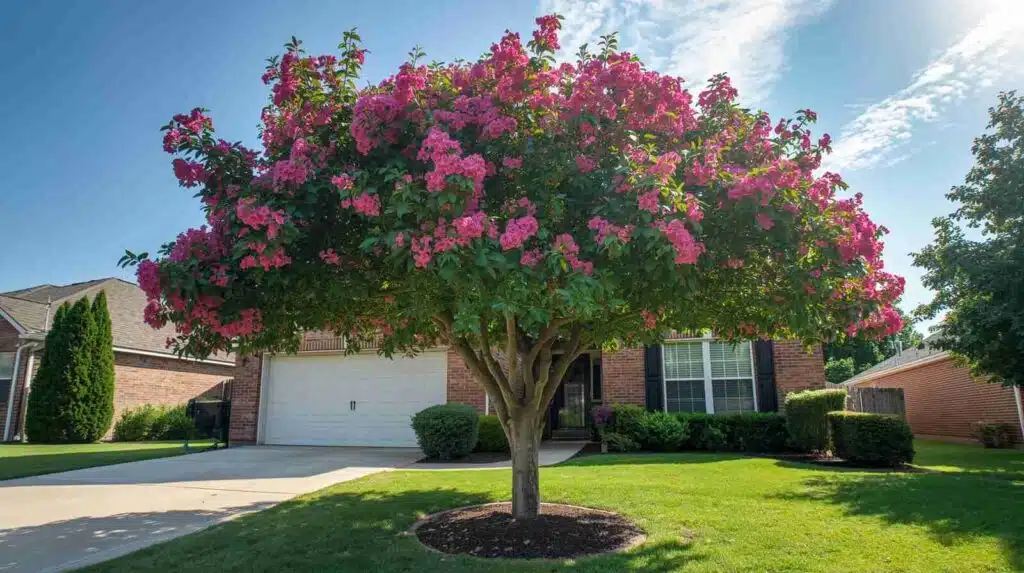
How to Maintain Proper Distance from Your Home for Crepe Myrtles?
I guess you want to minimize the risk of damage. To do that, always plant Crepe Myrtles at an appropriate distance from your home. A general rule of thumb is planting the tree at least 10-15 feet from the foundation. For larger varieties, consider a distance of 20 feet or more.
Key Considerations
- Size and Growth: Crepe Myrtles can range from 3 to 30 feet tall. Choose a variety that suits your space. Smaller varieties (like Tonto or Pocomoke) are ideal for smaller areas.
- Root System: With a shallow root system, Crepe Myrtle can damage nearby foundations or sidewalks if planted too close. Plant it at least 3 to 4 feet away from structures.
- Watering Needs: While drought-tolerant, Crepe Myrtle needs proper watering during its early years. Be mindful of irrigation, especially if planting near hardscape.
- Pruning: Regular pruning keeps the tree healthy, but avoid over-pruning (“Crepe Murder”), which can damage the tree’s structure.
Planting Crepe Myrtle near your house adds color, privacy, and wildlife benefits. Considering its size, root system, and care requirements, you can ensure it thrives and enhances your landscape for years.
Safe Planting Distances: Quick Reference Guide
Based on recommendations from university extension services and my own experience working with homeowners, here are the minimum safe planting distances:
Distance Requirements by Structure
| Structure / Infrastructure | Dwarf Varieties (Under 5ft) | Medium Varieties (10–15ft) | Large Varieties (15–30ft+) |
| House Foundation | 4–6 feet | 10–15 feet | 15–20 feet |
| Underground Pipes (PVC) | 5 feet | 10 feet | 15 feet |
| Old Clay/Cast Iron Pipes | 10 feet | 15 feet | 20 feet |
| Septic Systems/Drain Fields | 15 feet | 20 feet | 25 feet |
| Driveways | 3–4 feet | 8–10 feet | 12–15 feet |
| Sidewalks | 3–4 feet | 6–8 feet | 10–12 feet |
| Pool Areas | 6 feet | 10 feet | 15 feet |
| Property Lines | 5 feet | 10 feet | 15 feet |
| Other Trees | 6–8 feet | 10–15 feet | 15–20 feet |
Why These Distances Matter
These recommendations account for the horizontal spread of roots and maintenance access over the next 20 years. However, when choosing your planting site, don’t forget to account for local fauna; fortunately, these trees are rarely targeted by browsing herbivores, making them a hardy choice for perimeter property lines where wildlife often wanders.
– The horizontal spread of roots (2-3x canopy width)
– Maintenance access around the tree
– Fallen flower and leaf cleanup areas
– Future growth over 10-20 years
– Emergency access if removal becomes necessary
The University of Georgia extension recommends keeping all trees, including Crepe Myrtles, at least 5 to 10 feet away from walkways and foundations as a general rule.
How to Address Root Intrusion and Damage of Crepe Myrtles?
Three options are available for you after the Crepe Myrtles invade your structure.
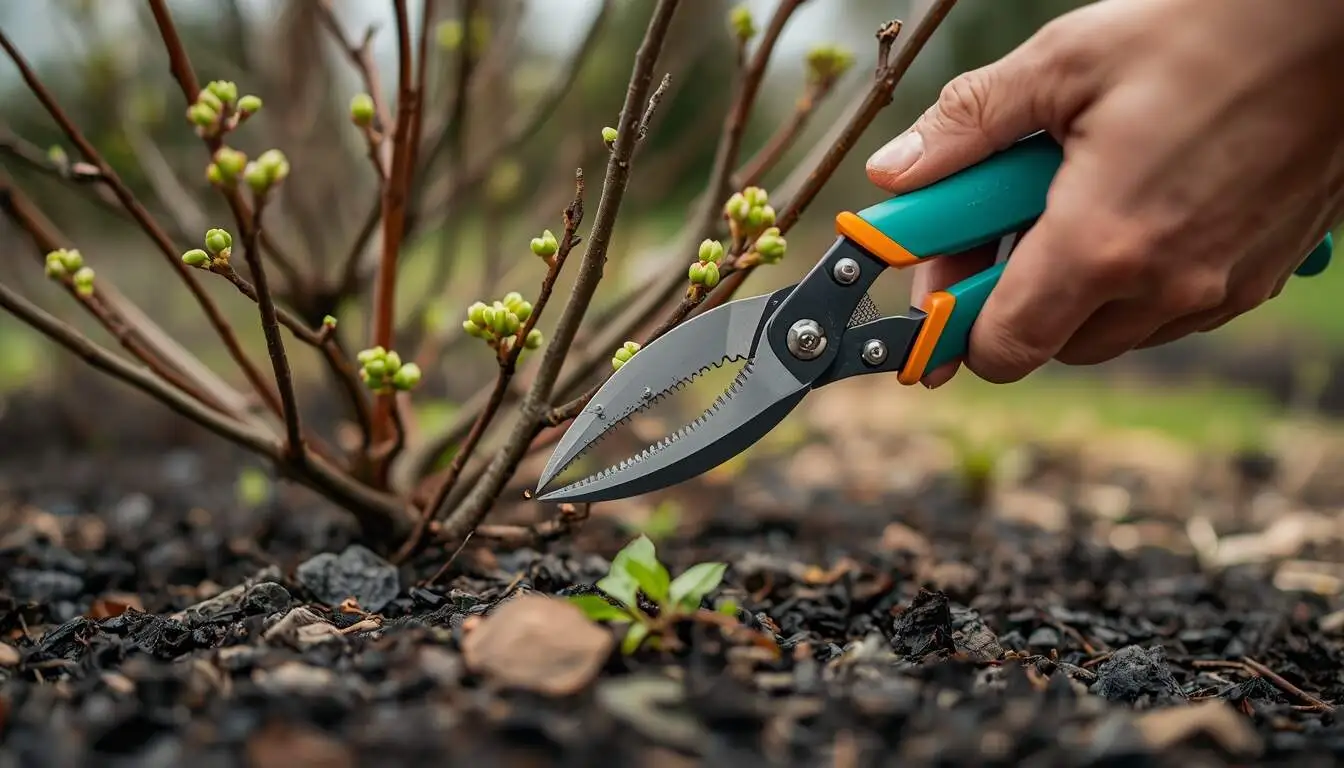
- Root Pruning: A professional arborist can carefully prune the roots that are causing damage, minimizing further intrusion.
- Root Barriers: Installing root barriers, such as physical barriers or chemical deterrents, can prevent future root growth towards the foundation.
- Foundation Repair: If roots have caused cracks or damage, repairs may be necessary to restore structural integrity.
Root Pruning: A professional arborist can carefully prune the roots that are causing damage, minimizing further intrusion. However, extension experts recommend that before severing any crepe myrtle root, you should “check the root crown of the tree and determine that the tree has a healthy spread of structural roots and isn’t dependent on this one lone root to provide the biggest share of water.”
Never attempt to remove large structural roots yourself, as this can destabilize or kill the tree.
How to Prevent Root Problems with Proper Planting and Care?
When I used to clear up my premises, I took proactive measures to significantly reduce the risk of Crepe Myrtle root problems. Eventually, the Myrtles did not overgrow and harmed any of my utilities. Now, I will share how to plant accurately for better treatment. When selecting varieties, also consider deer-resistant options if wildlife is common in your area.
- Choose The Right Variety: Select a Crepe Myrtle variety with a moderate growth rate and root system.
- Plant in the Right Location: Plant the tree away from your home, walkways, and underground pipelines. Crepe Myrtles prefer full sun, so plant them in an area with 6 hours of direct sunlight daily. Also, plant them in dry-free spots.
- Provide Proper Watering: How long did you water your last Crepe Myrtles? Fresh Crepe Myrtles should be watered deeply once a week. Once lived, you can water them infrequently. But they should still receive at least one inch of water per week.
- Regular Pruning: Prune the tree regularly to prevent branches from grabbing against structures. Crepe myrtles are naturally attractive shrubs, so they don’t require a lot of pruning. So, you just need to remove the dead, diseased, or damaged branches.
- Fertilize Once a Year: Crepe Myrtles benefit from annual fertilization. Use a high-nitrogen fertilizer in the spring, just after the leaves have emerged.
Plant in the Right Location: The Mississippi State University Extension Service notes that “Crapemyrtles have shallow, fibrous root systems. They grow and flower best in sunny locations with good air circulation and well-drained soil.” This means you should plant the tree away from your home, walkways, and underground pipelines.
Crepe Myrtles prefer full sun, so choose a spot with at least 6 hours of direct sunlight daily. Also, plant them in areas where water doesn’t pool or stay wet for extended periods.
Where Not to Plant Crepe Myrtles at Your Home?
When I planted my first crepe myrtles, I made a mistake. I planted it near every attractive spot in my home yard, such as windows, foundation walls, and driveways! Guess what? It invaded my life and home both! So I have made a list, you should not plant those beautiful evils in your home!
1. Near Windows
Crepe myrtles can grow large, so planting them too close to windows can block natural light and obstruct your view. However, you can plant the smaller varieties to make doors and windows safer.
2. Near Roof Overhangs
Crepe myrtles are a potential threat to damage to shingles and gutters. I saw falling flowers can also clog gutters, making maintenance more difficult. So keep Crepe Myrtles at least 10 feet away from roof overhangs to avoid these issues.
3. Foundation Walls
The Crepe Myrtles can encourage moisture buildup and attract pests near your home. So, how do you make your home safe? Just maintain a distance of 10-15 feet from the home’s foundation.
4. Porches and Decks
The falling flowers and leaves make porches and decks messy. You will need frequent sweeping or blowing. Choose a different planting location for crepe myrtles to keep these areas clean and inviting.
5. Near Driveways
Crepe myrtles can drop flowers, leaves, and even small branches onto driveways, making them slippery and unsightly. To maintain a neat driveway, avoid planting Crepe Myrtles nearby.
6. Next to Pool
Some Crepe Myrtle varieties, such as ‘Natchez,’ can bloom up to 100 days a year. So, you could be dealing with a constant influx of fallen flowers into your pool for almost a third of the year. And if that’s not enough, Crepe Myrtles also shed their leaves for at least 30 days in late summer and fall!
Conclusion
I have told you many things for today in a blog! Let it remain for some other day! Long story short, the Crepe Myrtles pose a potential risk to foundations and structures. But you can significantly reduce the damage through careful planting, proper care, and timely intervention if necessary.
Just follow how to prevent root problems, where not to plant Crepe Myrtles, and the potential damages for effective gardening. This way, your home will be a safe place for both plants and properties!
FAQs
Is Crepe Myrtle Poisonous to Humans or Pets?
Crepe Myrtles are completely non-toxic. According to the American Society for the Prevention of Cruelty to Animals (ASPCA), Crepe Myrtle (Lagerstroemia indica) is officially classified as non-toxic to dogs, cats, and horses. All parts of the plant, including the leaves, bark, flowers, berries, and seed pods, are safe.
Can I Plant Crepe Myrtle Close to The House?
Yes. You can plant crepe myrtles close to your house. Plant large crepe myrtles at least 6 feet away from your house. Then, medium crepe myrtles can be planted 6-10 feet apart, and standard crepe myrtles are 8-12 feet apart. This will ensure the trees have enough room to reach their full size without rubbing against your house or damaging your siding.
Do crepe myrtles have deep roots?
No, crepe myrtles do not have deep roots. They have a shallow, fibrous root system extending 2 to 3 feet into the soil. Their roots spread horizontally, helping the tree absorb water and nutrients from a wide area.
How Long Do Crepe Myrtles Live?
The average lifespan hovers around 25 years. But some crepe myrtle Methuselahs have been known to please gardeners for centuries! The key to their longevity is sunshine, well-drained soil, and a healthy dose of minerals. If you provide your crepe myrtle with no overwatering, it will live for a long.
What Is the Best Crepe Myrtle Tree?
For a small yard, consider the Catawba, Pink Velour, or Black Diamond series of crepe myrtles, ideal for hedges or borders. If you’re seeking a striking focal point, choose from larger crepe myrtle varieties like Dynamite, purple Muskogee, Natchez, or the cold-hardy Red Rocket.
Sources and References
This article is based on information from the following authoritative sources:
1. University of Georgia Cooperative Extension – Crape Myrtle Culture (Publication C944). Reviewed by Bodie Pennisi, Extension Horticulturist.
2. Mississippi State University Extension Service – “Crapemyrtle: Flower of the South” publication
3. North Carolina State Extension – “Popular Crape Myrtles Available in Smaller Sizes” by Extension Gardener
4. American Society for the Prevention of Cruelty to Animals (ASPCA) – Poison Control Database, Lagerstroemia indica classification
5. Ask Extension – Professional horticultural advice platform with certified Extension specialists
Disclaimer: This article provides general guidance based on horticultural research and expert recommendations. For specific advice about your property, soil conditions, or existing infrastructure, consult with a certified arborist or local extension office.