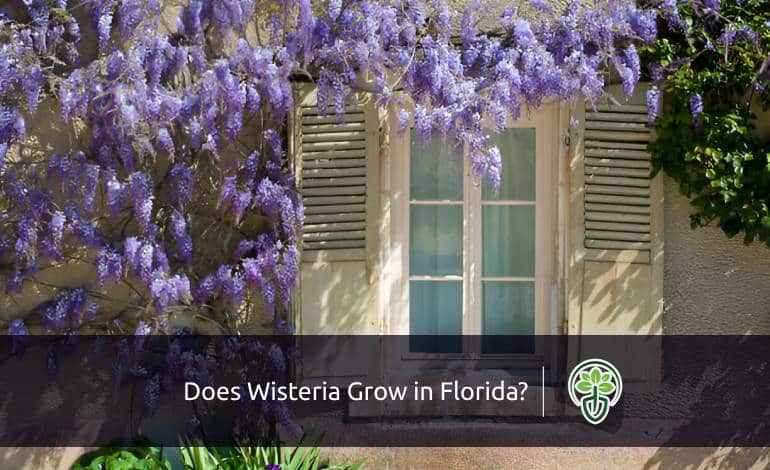
Does Wisteria Grow in Florida? Yes – Here’s How to Make It Thrive

Wisteria’s cascading purple (or white) flowers are striking and can stop almost anyone in their tracks, both because of their beauty and fragrance. If you’re like me and living in the Sunshine State of Florida, you may ask yourself, “Can I grow wisteria here?” I’ve done the digging, and the simple answer is yes. Although there are some critical considerations to take into account.
Does wisteria grow in Florida? Absolutely—and I’ll show you step-by-step how to grow it successfully.
Understanding Wisteria’s Growing Requirements
Coming back to Florida’s suitability, before addressing that, let’s narrow down some things regarding Wisteria.
Wisteria is a strong climbing vine that primarily grows best in well-draining soil. Its growth is also rapid and requires adequate space as well as supportive structures like a sturdy pergola or arbor to support the vines.
For Wisteria to flourish, these are some specific needs:
- Sunlight: A minimum of 6 hours of direct sunlight every day.
- Watering: Needs to be watered regularly in the first few years.
- Soil: Should be pH 6.0–7.0, moist, and well-drained
- Support: Constructed Fence or Pegola able to withstand heavy loads.
- Pruning: Should be pruned 2 times a year to aid bloom and shape control.
According to the University of Florida IFAS Gardening Solutions, Wisteria needs a bit of patience, too. It can take several years to flower. Some types even take as long as 7-15 years if grown from seed.
Can Wisteria Thrive in Florida’s Climate?
The weather in Florida is warm, with long, humid summers and mild, gentle winters. This can be both a pro and a con for wisteria.
Wisteria is cultivated in USDA Zones five through twelve, and the majority of Florida is in Zones eight to ten. Florida’s temperature range does support wisteria growth; however, not all types of wisteria perform equally well.
Key Climate Factors in Florida
- North and Central Florida: Most favorable region, as it has enough chilling hours to support flowering in wisteria.
- South Florida: Not so favorable due to a lack of winter dormancy, which prevents proper blooming.
So, if you are situated in North or Central Florida, consider yourself lucky. I’m also located in Central Florida, and my vines bloom beautifully in early spring. But those friends down in Miami can’t struggle to get even a single flower out.
Best Wisteria Varieties to Grow in Florida
Probably the most difficult task of growing wisteria in Florida is selecting the right variety. Certain cultivars are comparatively more reliable when it comes to flowering, while others fare well in heat.
Below are the varieties of wisteria that I recommend.
1. American wisteria (Wisteria frutescens)
- Bloom’s lavender to purple flowers in May-June.
- Grows 15-30 feet.
- Less aggressive compared to Chinese or Japanese varieties.
- This is native to the Southeastern US.
This is my top pick for Florida as it’s more manageable and better adapted to the local environment.
2. Amethyst Falls (Cultivar of Wisteria frutescens)
- A compact variety that works well for small gardens.
- Flowers appear at a young age.
- Reblooms lightly in summer.
This hybrid has excellent performance when planted into a trellis container, providing a stunning display with minimal fuss.
3. Chinese Wisteria (Wisteria sinensis)
- Strong, stunning blooms, very aggressive.
- Not native, can become invasive.
- May perform well in North and parts of Central Florida.
This one is beautiful, but you have to prune often and hope it doesn’t spiral out of control as it did for my previous plant.
4. Japanese Wisteria (Wisteria floribunda)
- Known for new flower clusters up to 3 feet.
- Also invasive in some regions
- Not appropriate for South Florida because it needs to be really cold in the winter to bloom.
Comparison Table
| Variety | Native | Bloom Time | Aggressiveness | Suitable Zone (Florida) |
| American | Yes | May – June | Low | North, Central |
| Amethyst Falls | Yes | Spring | Low | Statewide (best in North & Central) |
| Chinese | No | Spring | High | North, Central |
| Japanese | No | Spring | High | Mostly North |
How to Successfully Grow Wisteria in Florida?
Cultivating Wisteria in Florida might be a delight if you get it done correctly from the beginning. Personally, Wisteria has always been dependable if you keep planning and managing it carefully. With the warm and humid weather, the main consideration is the place where the plant will be located, how to control its growth, and how the environment will affect its growth.
Based on the experience of other gardeners in Florida, here’s a step-by-step guide for the best possible outcome:
1. Select the Correct Area
The flowers need to be free-hanging to look marvelous. It also has intensive requirements for sunshine. So, keep in mind the following factors while choosing the plant location.
- Sunlight: Wisteria, just like other plants in its category, prefers more than six hours of direct sunlight. The opportunity for it to perform during the summer is even hotter.
- Soil Composition: Choose soil that does not retain water easily. Florida’s selection of sandy soil often suffices, but if it retains excess water, raised beds or incorporated compost will do wonders. Additionally, setting a wisteria sapling at the correct soil level prevents moisture from pooling around the trunk, which is a common cause of rot in humid climates.
- Air Circulation: Good circulation is crucial in avoiding fungal complications, especially in the humid summers of Florida.
[Pro Tip: Do not plant it too close to exits of your home, due to the immense power Wisteria has, it will base itself in pre-defined locations.]
2. Provide Strong, Long-Lasting Support
Wisteria is a big climber, so you can help it out with some basic support.
- Structure Types: It includes, as well as isn’t limited to, metal trellises, large fences, heavy-duty fences, and arms.
- Material: Use metal or pressure-treated wood. Stay away from flimsy wooden trellises for the reason that they won’t survive more than a season or two.
- Secure It Properly: Proper fencing is critical as flimsy structures can be overcome by the plant in case of severe winds like a tornado, which is common in Wisteria towards the end of Florida’s storm season.
I had to rebuild my arbor with 4×4 posts set in concrete after underestimating how heavy the vine would get in year three.
3. Start With a Grafted or Nursery-Grown Plant
Seed-grown plants can take up to 7 to 15 years to bloom, further extending the time span with seed-grown variants. In comparison, graft variants take only 2 to 3 years of waiting.
- Look out for varieties of fragrant American wisteria, tagged cultivars, and ‘Amethyst Falls’.
- Unless you’re comfortable with waiting long periods, try to refrain from bare-root unknowns.
I got my ‘Amethyst Falls’ from a local nursery in spring, and by the second year, it was blooming lightly.
4. Watering Descriptions for Florida’s Climate
Wisteria does not tolerate overly wet roots, but enjoys moisture during its younger years.
- Year 1-2: Watering deeply between once and twice a week, especially in drier months.
- After its Establishment, Nobody waters it during dry seasons.
- Mulch: Maintain 2 – 3 inches of mulch at the base to ward off weeds and retain water. Avoid putting it a few inches away from the stem to prevent rot.
I personally use pine bark mulch since it retains moisture while slowly breaking down to enrich the soil.
5. How to Trim Wisteria in Florida?
In Florida, pruning is crucial in ensuring your wisteria continues blooming and grows in an orderly, manageable way. Failure to do so will lead to a leafy-wilderness mess with no blooms.
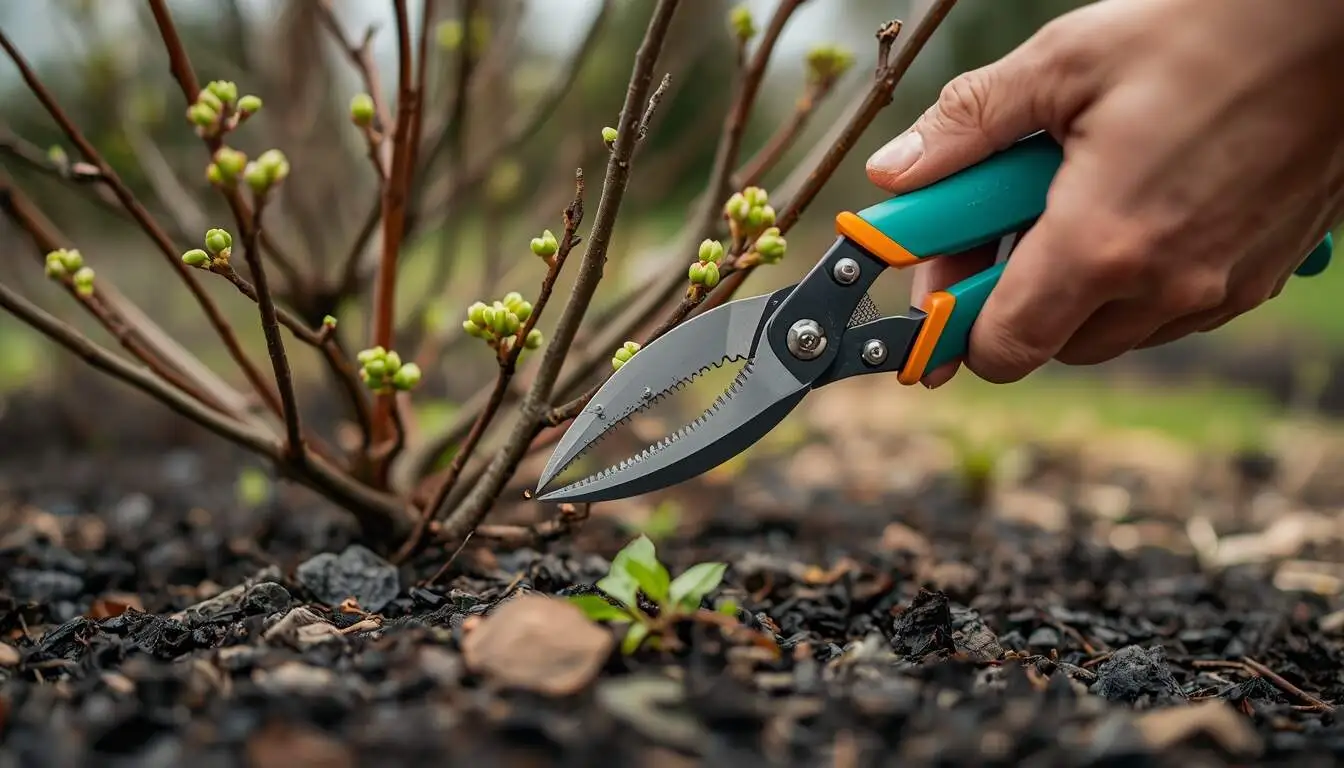
- Winter Pruning (January-February): Shorten long shoots from the participant’s previous year’s growth to 3-5 buds. Doing this encourages the flower buds of the plant.
- Summer Pruning (July-August): Cut back strongly growing green shoots that lack blossoms. This allows more light into the canopy, aiding in shaping the plant.
To remind myself, I set a marker for Valentine’s Day and mid-summer. Without summer pruning, things quickly get out of hand.
6. Fertilizer: Less is More
As you may know, too much nitrogen will give you a plant that is leafy and green, but devoid of flowers. You can trust me on this because it is a mistake I made early on in my garden adventure.
- Avoid lawn fertilizers that are high in nitrogen.
- Instead, opt for a 5-10-10 balanced one or even a 0-10-10 low-nitrogen fertilizer.
- It is best to apply them at the start of spring when growth starts and again lightly during summer when it’s mid-season if necessary.
Source: University of Florida IFAS Extension
Now I use fish emulsion and organic bloom-boosting fertilizers, which are both gentle and effective.
7. Train It Early
In Florida and beyond, wisteria grows vigorously and will spread along an untamed path if left to its own devices. Whether you’re growing a wisteria tree in Florida or training a vine elsewhere, you’ll need to actively guide and prune it to direct its growth where you want it to go.
- You can use soft ties or garden tape to tie young vines to the structure.
- Redirect spiral growth or side-vines weekly. This means check every week.
- Remove the suckers that are trying to form extra shoots close to the ground.
When it comes to me personally, I checked mine almost on a daily basis during the first year. By the second year, easily redirected growth had become the new norm.
8. Pest and Disease Monitoring
Wisteria isn’t as appealing to pests, but it can sometimes catch a break in Florida’s high humidity.
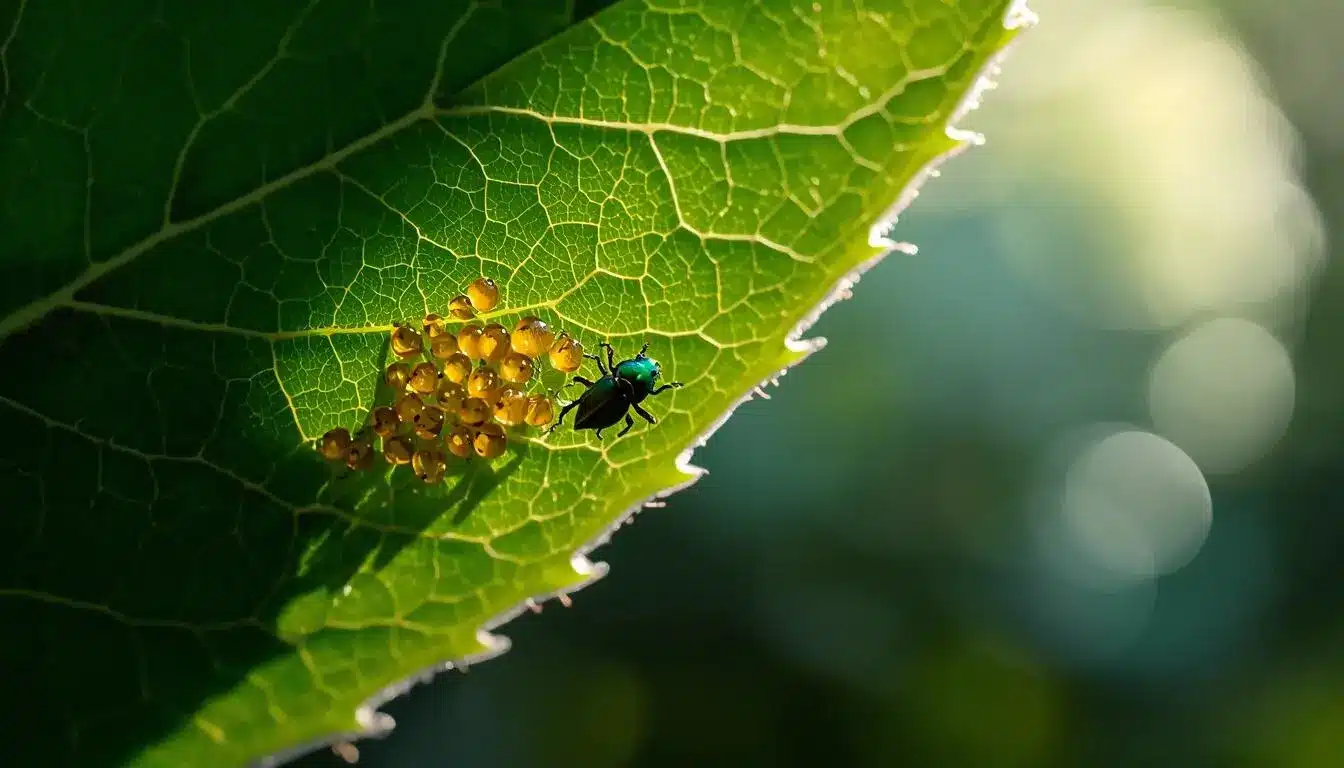
- You can consider monitoring for caterpillars, scale insects, and aphids.
- These are best treated early on with neem oil or insect soap.
- In an effort to reduce the chances of powdery mildew and root rot, do not overwater the plant.
Problems with aphids are only of minor consequence for me in early spring, and neem oil gets rid of them in no time.
Read More: Wisteria in containers
Is Wisteria Invasive in Florida?
Sadly, that is correct. Certain types of wisteria are indeed categorized as invasive in Florida.
Invasive Species:
- Chinese Wisteria (Wisteria sinensis)
- Japanese Wisteria (Wisteria floribunda)
These non-indigenous creeping plants are extremely aggressive as they are capable of choking native shrubs and trees. They are difficult to control once they are established because they spread through runners and seed pods.
Florida’s Position:
The Florida Exotic Pest Plant Council identifies Chinese and Japanese wisteria as Category II invasion species of concern, which can disrupt native systems.
For a less restrictive option, go for the native American varieties. They are equally stunning while being much easier to handle.
Common Problems When Growing Wisteria in Florida
Wisteria is pretty tough, but it does have some problems with it. Below are some of the problems along with their solutions.
1. No Flowers
Cause: The plant is either too young or is receiving too much shade. The plant may also be receiving too much nitrogen.
Solution: Ensure proper pruning and avoid over-fertilization.
2. Pest Issues
Problem: Caterpillars, along with scale and aphids, can be attracted to wisteria.
Solution: Neem oil and insecticidal soap take care of the problem.
3. Root Suckers and Spreading
Problem: Especially the Chinese species, some of them send out root shoots.
Solution: Regularly observing the area while pruning takes care of the spreading issue.
4. Structural Damage
Problem: Structures can be warped or even collapsed due to heavy vines.
Solution: Supports should be inspected yearly to be more prepared.
I remember once underestimating the strength of my wisteria. It ended up pulling my wooden trellis out of the ground in the middle of a summer storm. I use steel framing and heavy-duty anchors now, which takes care of the problem.
Read More: Potted wisteria tree
Alternatives to Wisteria for Florida Landscapes
Many other flowering vines excel in the Florida climate if wisteria’s nature is too aggressive for your liking, or prefer less troublesome plants.
Here I have provided a list of beautiful alternatives:
1. Coral Honeysuckle (Lonicera sempervirens)
- Flowers are red-orange in color, and hummingbirds find them highly attractive.
- Reasonable to manage and non-invasive, being native to Florida sets it apart.
2. Passionflower (Passiflora incarnata)
- Comes along with delicious fruit and unique purple flowers.
- Native plant that is perfect for attracting butterflies.
- It can spread out quite a lot, but can be controlled easily, unlike most.
3. Bougainvillea
- Drought-resistant and grows in full sun
- Blooms nearly year-round.
- Requires pruning but is not invasive.
4. Confederate Jasmine (Trachelospermum Jasminoides)
- Glossy leaves and fragrant white flowers add elegance.
- Ideal on trellises or fences.
- Evergreen and well-mannered.
These options still add color and scent, but without some of the long-term concerns associated with wisteria.
Final Thoughts
So, does wisteria grow in Florida? Yes, but it is essential to choose the right type and offer the appropriate care. From my perspective, it is one of the most satisfying vines to cultivate, but it does require a good deal of attention and training.
If you’re in Central or North Florida, stick with the American or ‘Amethyst Falls’ varieties. Avoid the invasive types unless you are set on doing serious work. If you’re further down south, consider some of the slower and less complicated options.
Ultimately, it lies in gardening. It’s about working with the climate instead of battling it. The best thing is, wisteria can definitely be part of that image, if you plant it wisely.
Read More: Growing wisteria from cuttings
FAQs
Which wisteria is best for Florida gardens?
American wisteria (Wisteria frutescens) and ‘Amethyst Falls’ are the best choices. They bloom well, handle Florida’s humidity, and are less aggressive than Asian varieties.
Is wisteria invasive in Florida?
Yes, Chinese (Wisteria sinensis) and Japanese (Wisteria floribunda) wisteria are invasive in Florida and can take over natural areas. It’s better to avoid planting them.
How long does it take wisteria to bloom in Florida?
Grafted or nursery-grown wisteria usually blooms in 2–3 years. Seed-grown vines can take 7–15 years or may never bloom at all.
Can wisteria grow in Florida?
Yes, wisteria can grow in Florida, though it thrives best in North and Central Florida, where cooler winter temperatures help trigger blooming. The American wisteria (Wisteria frutescens) is the best choice for Florida gardens as it’s native to the southeastern United States and better adapted to the state’s climate and humidity.
Where Are Wisteria Trees Found?
Wisteria is native to several regions worldwide. American wisteria (Wisteria frutescens) is found naturally in the southeastern United States, while Chinese wisteria (Wisteria sinensis) originates from China, and Japanese wisteria (Wisteria floribunda) comes from Japan.