
Wisteria in Pots: The Stunning Secret to Cascading Blooms Anywhere

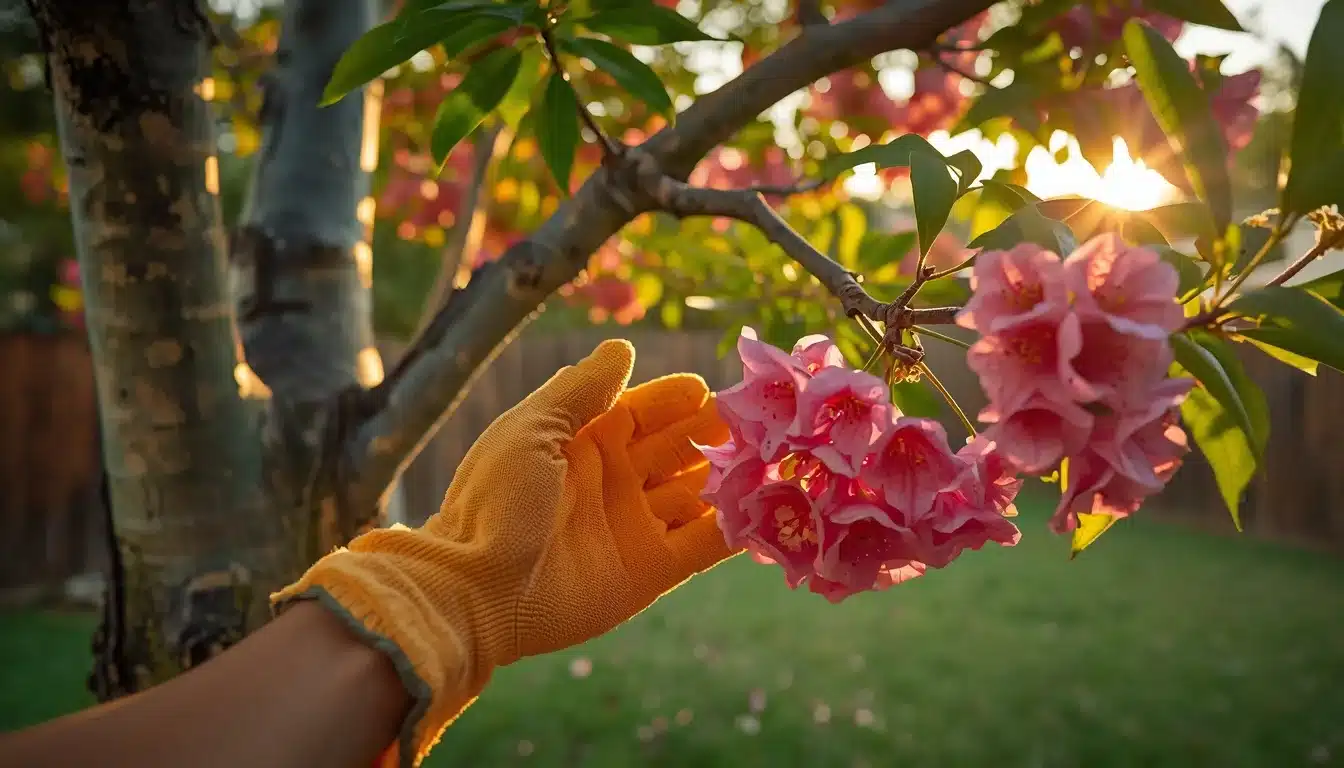
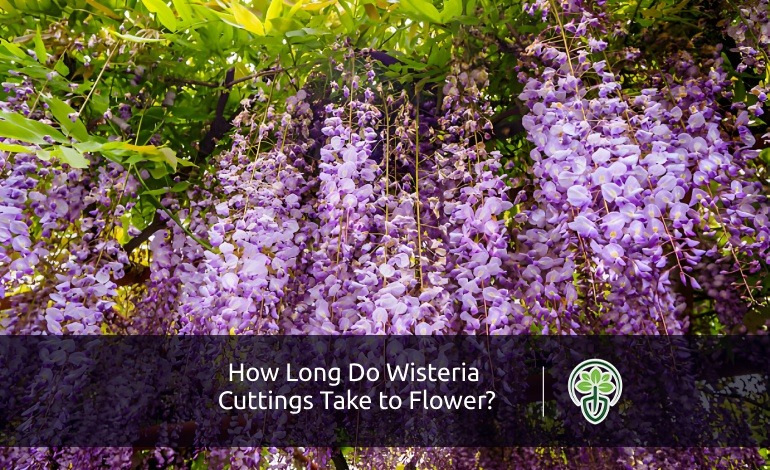
The wisteria plant is a breathtakingly beautiful vine that fills any space with colour and life. With vibrant blue and purple colours, it not only looks amazing but smells sweet at the same time. While wisteria plants are often grown in gardens or around pergolas, they can also be easily grown in pots.
Growing wisteria in pots is extremely rewarding and a great alternative for those with limited space or who want to spruce up their extra space. So, if you want to do any of these, here is a detailed guide on how to create a stunning container garden with wisteria.
Can Wisteria Be Grown in Pots?
Yes, wisteria can be grown in pots! While they are commonly associated with growing in gardening landscapes, the wisteria plants are very adaptable. If you want to grow them in containers or pots, they will grow and thrive if you tend to them with proper care.
Additionally, growing wisteria plants in pots gives you more control over the design and size of their spread. Because of this, they are the perfect choice for limited spaces such as balconies or patios. Just pay attention to using the right pot, soil, and maintenance techniques, and you are good to go!
Benefits of Growing Wisteria in Pots
If you are worried about growing wisteria in pots, we have good news for you. Planting wisteria in a container will offer you a range of benefits that will make things convenient and easy.
Space Utilisation
Unlike the traditional way of growing wisteria plants, container gardening allows you to make use of your space in any way you want to. Especially in urban apartments, by planting wisteria, you can easily make your outdoor space more colourful.
Portability
One of the biggest advantages of growing wisteria in a container is having the ability to move it to any place, any time you want. You can relocate your plant if you want to expose it to more sunlight. You can also move it to a different place during harsh weather conditions. Not only that, but you can use them as decor and reposition them anywhere.
Controlled Growth
When planted directly into the soil, the wisteria plant spreads rapidly and uncontrollably. However, if you plant it in pots, the container will help restrict the overall spread of its roots and vines. For those who want to take this restriction to an artistic level, miniature wisteria tree cultivation is a fascinating way to enjoy these blooms on an even smaller scale.
Easy Maintainance
Gardening in pots means very easy and accessible maintenance of your plants. The entire process of pruning, feeding, and pest management becomes more convenient as it is easier to monitor the wisteria plants. It also makes the process of addressing plant health more effective.
Best Types of Pots for Growing Wisteria
The type of pot that you will use for growing wisteria matters a lot. As a result, there are a few critical things to keep in mind when choosing a pot for your wisteria plant to grow.
Container Size
Choosing the right container makes all the difference when growing wisteria.
For Young Plants Start your wisteria journey with an 18-20 inch diameter pot with plenty of depth. This gives young roots room to establish themselves comfortably.
For Mature Plants: As your wisteria matures, think big, really big. You’ll need a container that holds:
- 60-75 litres (15-20 gallons) of soil
- At least 60 cm (24 inches) deep
Why Size Matters This generous space isn’t just a recommendation—it’s essential for three key reasons:
- Healthy roots – Wisteria develops an extensive, deep root system that needs room to spread
- Consistent moisture – Larger containers retain water better, preventing your plant from drying out constantly
- Stability – A climbing vine needs a solid, stable base to support its vigorous growth
Think of it this way: a cramped wisteria is an unhappy wisteria. Give it space, and it will reward you with spectacular blooms!
Material
The material of the pot also plays a huge role. Containers made from concrete, ceramic, and terracotta are highly recommended. This is because they are stable enough to carry the wisteria plant’s weight. On the other hand, plastic containers, while affordable, are light, which may not work for wisteria plants once they start their optimum growth.
Choosing the Right Wisteria Variety for Container Growing
Want to grow wisteria in a container? The secret is training it into a “standard” – basically a mini tree with a single trunk and a ball-shaped top. Here are your best options:
American Wisteria – Your Best Bet. This is the easiest variety for pots. It grows slower, behaves better, and needs less trimming than other types. Look for the ‘Amethyst Falls’ variety – it’s a favourite for container growing.
Japanese Wisteria – A Solid Choice. This one grows at a moderate pace, making it easier to keep under control with regular pruning. It’s a good middle-ground option.
Chinese Wisteria – For the Dedicated Gardener. This variety is the most energetic grower, so it needs extra attention. If you’re willing to prune it twice a year (once in summer, once in winter), you can keep it looking beautiful in a pot.
How to Plant Wisteria in a Pot: Step-by-Step Guide
If you wish to plant wisteria in a container, then there are some key things to keep in mind. Following these steps will ensure that your potted wisteria plant will not only survive but also thrive for a long time. Use a high-quality, well-draining potting mix. To ensure adequate drainage and prevent waterlogging, you can amend the mix with perlite, coarse sand, or grit.
Best Fertilisers for Potted Wisteria
For a potted wisteria plant, the fertilizer you use needs to be balanced and a slow-release kind, such as a low-nitrogen, high-potash fertilizer (e.g., in a 5-10-5 ratio). The low-nitrogen content is key as it promotes the flowers to bloom without causing excessive leafy foliage growth.
Watering Requirements for Wisteria in Pots
Water is essential for your wisteria plant to survive, especially if it is potted. This is because, compared to the traditional wisteria plants, potted ones need water the most, as there is a limited amount of soil. Due to this, they also need to be watered every two to three days during summertime, especially if the top layer looks dry. Always do a scoop test to see if the top 1-2 inches are dry. Make sure to water thoroughly to the point that water seeps into the bottom of the pot. Never overwater your plant, however, because it can cause your roots to rot.
Training and Supporting Potted Wisteria Vines
Considering wisteria is a type of vine, it needs extra support and training to showcase its beauty. To do this, you can either add a trellis or a stake to your setup. Choosing a strong support like this will help your wisteria vines to grow beautifully upwards. Additionally, regular training is required for two things. Firstly, to ensure that your plant does not fall over. Secondly, to maintain a clean appearance of your potted plant.
How to Prune Potted Wisteria for Optimal Growth?
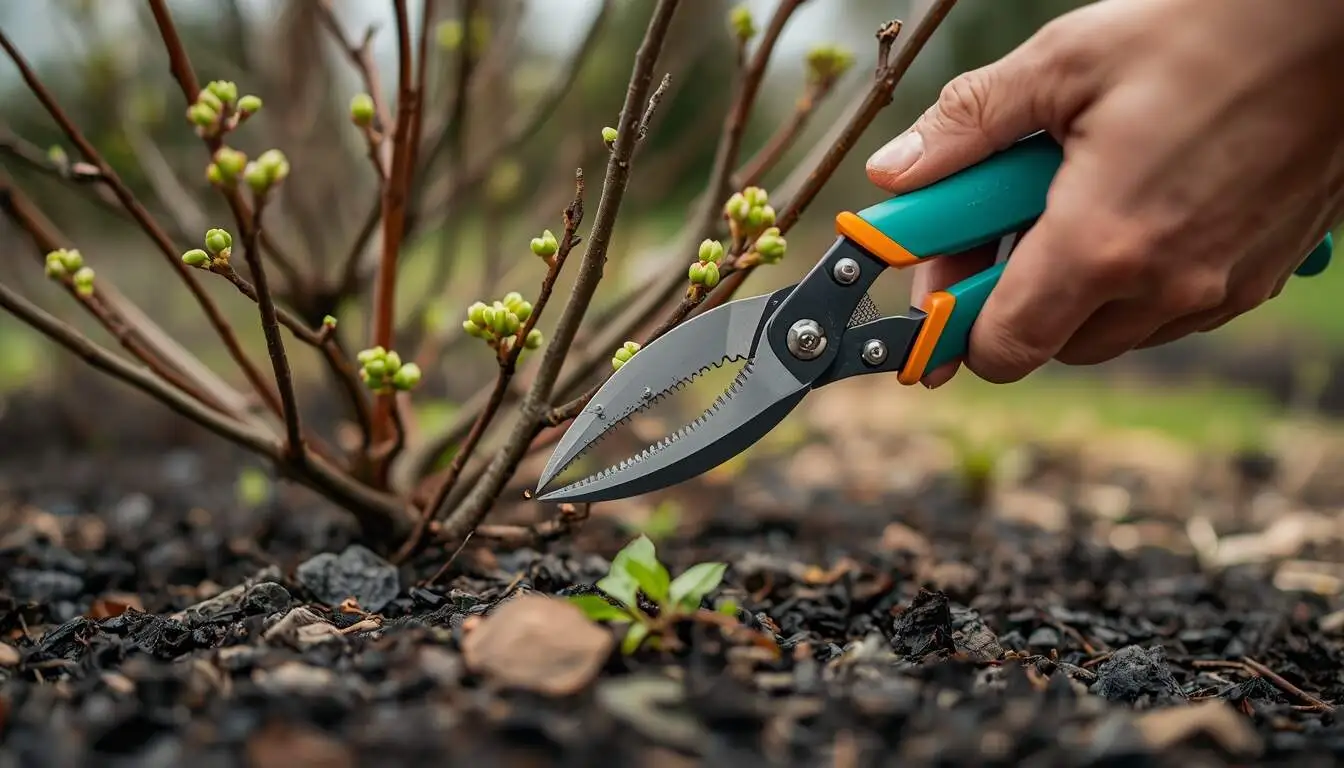
Pruning is essential when it comes to taking care of your potted wisteria plant. This is because pruning not only controls the overall size of your plant but also promotes more blooms. During summer, you should slightly cut the long shoots down to five to six leaves after the flowering period. Doing this will ensure that the plant focuses on flowering instead of excessive growth. In winter, cut out any deadwood and trim the shoots until there are two to three buds on each stem. For pruning, always use a pair of sterilised and sharp shears.
Read More About: Grow Wisteria from Cuttings
Common Pests and Diseases for Potted Wisteria and How to Treat Them
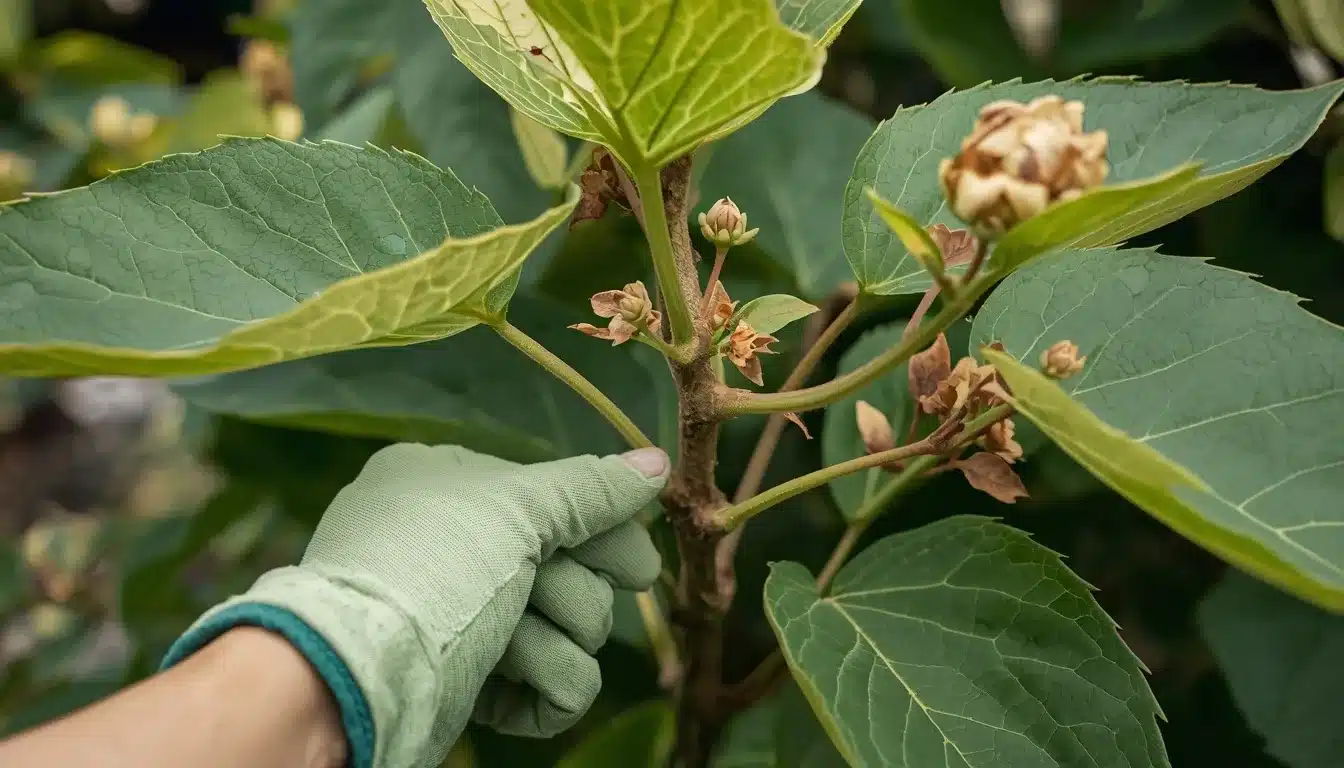
Like all plants, the potted wisteria plant is also at risk for potential pests and diseases. However, the kind of pests or diseases that your plant may get infected with largely depends on your location and its weather.
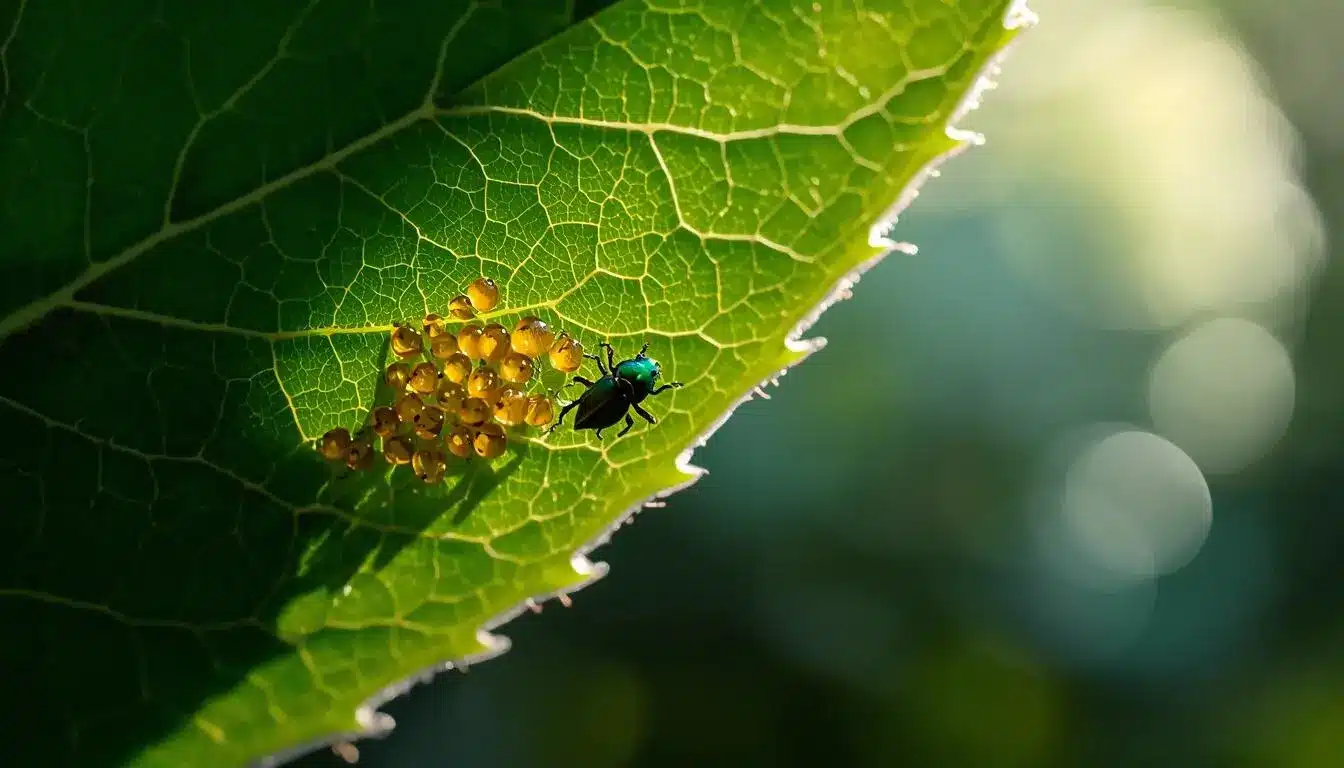
- Aphids: This is when you see sticky residue on the leaves of the plant where the foliage has curled. Your plant also suffers from slow growth. However, this can be treated with any insecticidal soap, neem oil, or a mixture of water and dish soap.
- Spider Mites: This is when there are webs over your plant, along with your leaves turning yellow and foliage covered with marks. This can be tackled by increasing the humidity of the plant by keeping water nearby.
- Root Rot: This mainly occurs due to overwatering or poor drainage. Symptoms for this include an unpleasant smell coming from the soil and leaves turning yellow and then wilting. Your plant can easily recover from it if you move the potted plant to another container that has a proper drainage system. Also, reduce overwatering to prevent this from happening again.
Long-Term Container Maintenance: Repotting and Root Pruning
Your potted wisteria will need root care every 2 to 3 years to stay healthy and keep blooming. As it grows, the roots fill up the pot, which can slow growth and reduce flowers.
Two Options for Root Care:
Option 1: Moving to a Bigger Pot If you want your wisteria to keep growing, move it to a pot that’s one size larger. This gives the roots more room to spread.
Option 2: Root Trimming (Keeps the Same Size). Want to keep your plant the same size? Root trimming is the answer. Here’s how to do it:
- Best time: Late winter or early spring, when the plant is sleeping
- Remove the plant: Carefully slide the root ball out of the pot
- Trim the roots: Using a clean, sharp knife, cut away about one-third of the roots around the outside. Also, remove any thick roots that circle around
- Replant: Put the plant back in the same pot and fill in the gaps with fresh potting soil
This simple process refreshes your wisteria and keeps it thriving in the same pot for many years.
Conclusion
Wisteria plants are the perfect option to go for if you are planning to bring color to your outdoor space. From balconies, patios, and small gardens, you can grow wisterias in a pot, which has the same effect as the trees but is easy to manage. By selecting the right variety, providing proper care, and being cautious about pests and diseases, you can plant wisterias right at your home without much effort.
Read More: Wisteria in Florida
FAQs
How Much Sunlight Does Potted Wisteria Need?
At least 6 hours of direct sunlight every day. Potted wisterias need a lot of sunlight to survive for growth and flowering. A wisteria plant grown in the shade will have more foliage and fewer flowers.
How Long Does It Take for Potted Wisteria to Bloom?
Typically, 3 to 5 years. However, this largely depends on the kind of wisteria variety you are choosing to grow and in what condition. Regular care, pruning, as well as proper sunlight, water, and fertilization will promote early flowering.
How to Protect Potted Wisteria from Winter Frost?
Move your potted wisteria to another location, preferably somewhere sheltered, such as inside a cold garage or against a sheltered wall, where they are protected against harsh temperatures. You can also choose to insulate your pot, such as with bubble wrap or frost blankets.
Crucially, ensure the pot is elevated on “pot feet” or small wooden blocks. This prevents the drainage holes from freezing shut, which can trap water inside the container and lead to fatal root rot when the soil thaws.