
How to Propagate Crepe Myrtle Successfully: Easy Methods Anyone Can Master

Propagating Crepe Myrtle is a satisfying method for any gardener who wants more of these beautiful plants across their garden. Whether you want to fill up your yard with their vibrant blooms or share them with your friends, learning how to propagate crepe myrtle will be useful. There are various methods to multiply them. Here, we will provide you with a step-by-step guideline so that even if you are a beginner, you can pull it off.
Are you ready to grow your own Crepe Myrtle garden? Then, let’s get started.
Why Propagate Crepe Myrtle?
Before you begin, it’s important to understand that the two main methods, cuttings and seed, yield different results:
- Cuttings (Recommended for True Clones): Taking softwood or hardwood cuttings is the only reliable way to produce a clone, a new plant with the same genetic makeup as the parent tree. This is essential if you want to preserve a specific color or desirable trait of a named cultivar (e.g., ‘Natchez‘ white or ‘Dynamite’ red).
- Seeds (Genetic Variation): Growing a Crepe Myrtle from seed is a gamble. The resulting seedling will likely be different from the parent plant, often reverting to a less desirable or even wild form.
Whether you want to multiply the plants to increase your garden’s aesthetics or share its beauty with others, propagating the plant is the best way to go. There are several benefits of propagating Crepe Myrtle for plant enthusiasts, making it worth the time and effort. Let’s explore some of the key motives for propagating Crepe Myrtle.
- Cost-Effective Expansion: If you need more plants, you can just propagate Crepe Myrtle at home! It is more economically efficient than buying a new plant.
- Preserve Rare Variants: If you get your hands on a rare variant of Crepe Myrtle, you may want to propagate it more to preserve it.
- Gift and Share with Others: Crepe Myrtle cuttings can be an amazing gift for your friends, family, or fellow gardener.
- Control the Growth and Health of the Plant: You can control the health and growth of new plants by propagating them, ensuring that they are not affected by pests or diseases.
- Satisfying Gardening Experience: As a gardener, the satisfaction of propagating a plant properly is the biggest reward. It creates a sense of accomplishment, especially for the new gardeners.
Read More: When is it too late to prune crepe myrtles
Best Time to Propagate Crepe Myrtle
The next question is, “When should you propagate Crepe Myrtle?” There is no overall specific season for propagating Crepe Myrtle. The timing is dependent on the method you use to propagate. The climate and temperature of your region are also factors to consider.
Among the various methods, here are some of the most common methods and their best timing:
- Softwood Cuttings: Early to mid-summer
- Hardwood Cuttings: Late fall to early winter
- Seed Propagation: Late winter to early spring
- Root Division: Early spring
Here, Softwood and Hardwood Cuttings fall under the growing crepe myrtle from cuttings method. Besides, root division is a complicated method, so most people avoid it. So, we will talk about two major Crepe Myrtle propagation methods, from cuttings and seeds.
Remember, you can not propagate crepe myrtle all year round. Depending on your method, the ideal season to propagate Crepe Myrtle ranges from early summer to late fall.
Read More: Best Time to Trim Crepe Myrtles
Tools and Materials Needed for Propagation
The required tools and materials also depend on the propagation process. These are needed to ensure a smooth progress to the propagation.
Here is a list of required tools and materials:
- Pruning Shears or Sharp Scissors
- Rooting Hormone
- Containers
- Potting Mix
- Spray Bottles
- Gardening Gloves
- Hand Shovel
- Plastic Bags
- Healthy Crepe Myrtle Plant
- Plastic Propagation Trays
- Mulch
Read More: Prune Tall Crepe Myrtle
How to Propagate Crepe Myrtle from Cuttings?
The easiest and most common method of propagating Crepe Myrtle is using cuttings. As we mentioned earlier, there are two approaches.
- Semi-Hardwood Cuttings
- Hardwood Cuttings
They mainly vary in timing. But the overall process of propagation is more or less the same. Let’s get into the propagation method.
How to Select the Best Crepe Myrtle For Propagation?
First of all, you need to select a proper mother plant for the propagation process. You need to choose a mature plant that has no signs of disease or pest infection. Then, look for a branch with new growth, but the buds are not mature yet. These kinds of plants and branches are the best for cutting propagation.
Preparing Cuttings
Next, you need to prepare the branch for propagation. There are two main steps:
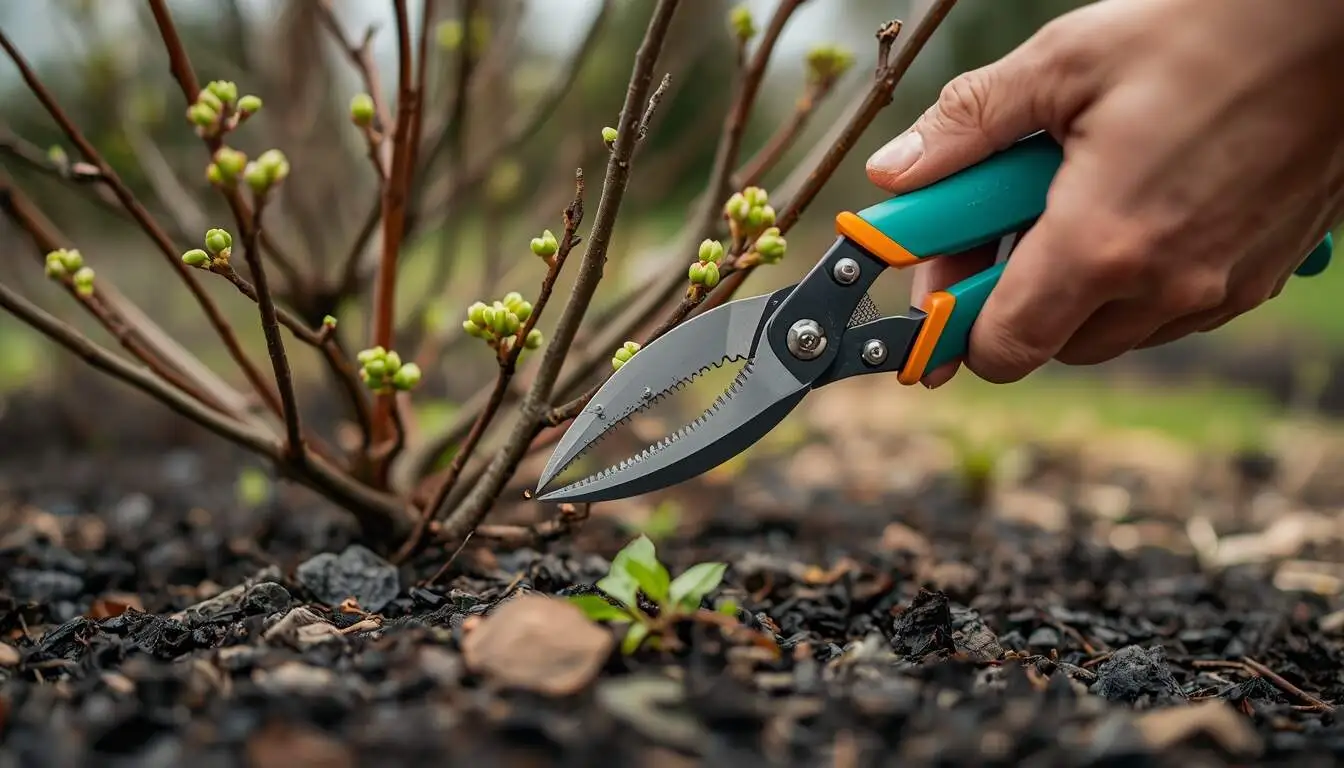
Treaming: For softwood cuttings, cut a 4 to 6-inch section from your selected branch. The cutting should be softwood, meaning it is green, flexible, and not woody. Cut the branch just below a leaf node; the roots are most likely to come out from here. Trim the lower leaves of the cutting, leaving a couple of leaves on the top.
For hardwood cuttings, choose a healthy and mature stem that is 8-12 inches long. Cut the stem under a leaf node and remove all the leaves.
Applying Rooting Hormone: Dip the bottom of the cutting into rooting hormone powder or gel. This step is not optional, but we highly recommend it. It will encourage root growth and increase the chances of your propagation success.
Planting Cuttings
The single most important factor for cutting success is drainage. Poorly draining soil will cause the stem to rot before it can form roots.
- The Best Medium: For optimal results, we highly recommend using 100% Perlite or a simple 50/50 mix of coarse sand and peat moss.
- This mixture is sterile, light, and ensures excellent airflow, which is critical for preventing fungal diseases and root rot.
- The Planting Process:
- Fill your container with the pre-moistened medium.
- Use a pencil or dibber to create holes in the medium (to avoid scraping off the rooting hormone).
- Gently insert the hormone-dipped cutting one to two inches deep.
- Firm the medium lightly around the cutting.
Read More: Do crape myrtles have deep roots
How to Propagate Crepe Myrtle by Seeds?
The second method is propagating Crepe Myrtle from seeds. This step is a bit complicated and delicate compared to cuttings. We have prepared a step-by-step guideline for the entire process to make it easier to execute.
Collecting and Preparing Seeds for Planting
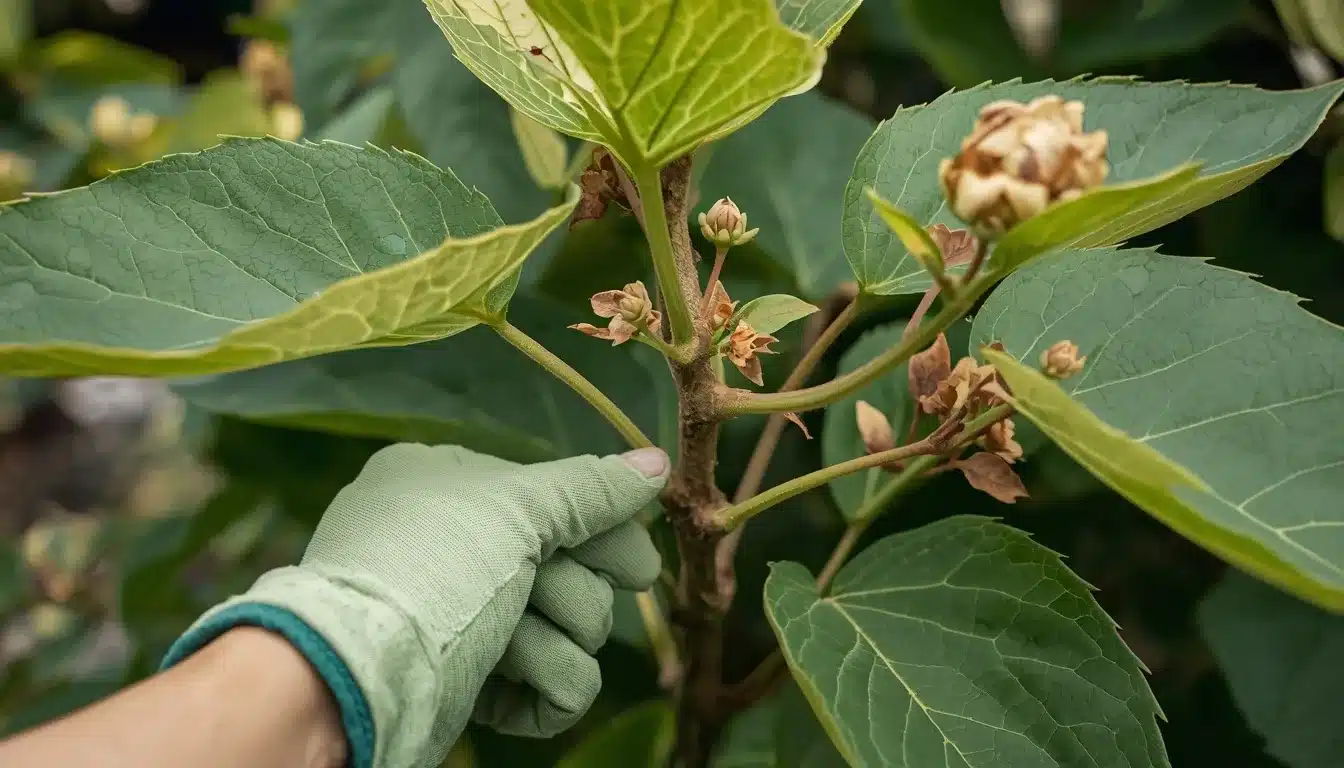
The seeds are ready for collection between late fall to early winter. The question is, how do you know if the seeds are ready for collection? When you see the seedpods start to turn brown and split open, the seeds are ready for collection.
Harvest the seedpods from the tree and dry them for a couple of days. Smash the pods to get the dark, small seeds when they are dry.
Stratify Seeds for Germination
This process is essential to break the dormancy of the seeds and improve the germination rate. This goes the same with the Crepe Myrtle seeds. First, clean the seeds, spread them on a wet paper towel, and fold it.
Put the paper towel into a plastic bag and seal it to lock in moisture. Ensure airflow by leaving a corner slightly open. Place the bag into a refrigerator, maintaining a temperature of 1.5°C to 4.5°C. After 4 to 6 weeks, you can take out the seeds, and they are ready for planting
Planting Seeds
Planting the seeds has 3 main steps:
- Soil: You need to prepare a planting medium for the seeds. Use a well-draining seed starting mix. You can make it at home by combining peat moss, perlite, and vermiculite.
- Watering: Moisten the soil with a spray bottle so that the seeds are not displaced. Always keep the soil moist, but don’t waterlog.
- Light: Spread the seeds on the soil and press them lightly onto the surface. Crepe Myrtle seeds need light to germinate, so keep them a bit open. Don’t bury them deep under the mix.
Plant Sucker Removal and Transplanting Made Simple
- Timing: The best time for this method is in early spring, before new leaf growth starts, or in early fall. The cooler temperatures minimize transplant shock.
- Locate the Sucker: Find a vigorous shoot growing from the ground near the base of the main tree. Choose one that is well-established, ideally 6 to 12 inches tall, and shows signs of independent growth.
- Sever the Connection: Using a sharp, sterilized hand shovel or trowel, carefully dig down around the base of the sucker. The goal is to separate it from the main root system while ensuring the sucker retains a decent clump of its own feeder roots.
- Lift and Transplant: Once separated, gently lift the sucker and its attached root ball.
- To a Pot: Place it in a container with a quality potting mix.
- To the Ground: Plant it in its new, final location, ensuring the soil line is the same as it was before.
- Post-Transplant Care: Water the newly transplanted sucker thoroughly. Keep the soil consistently moist for the first few weeks, and protect it from intense afternoon sun until you see new, stable growth.
Note: Sucker propagation guarantees a clone of the parent plant, just like a cutting.
Caring for Crepe Myrtle Cuttings and Seedlings
The caring routine of cuttings and seedlings is not the same. The cuttings are more stable and need fewer factors to focus on. Let’s see how we can care for both cuttings and seedlings.
Watering and Humidity Requirements for Rooting Cuttings
You have to keep the soil moist for the best growth performance of the rooting cuttings. But be careful not to waterlog. Use a spray bottle to mist the plant to avoid waterlogging, especially in the initial stage of the cutting. Make a mini greenhouse by covering the cutting with a plastic bag to lock in humidity.
Light Requirements
Crepe Myrtle loves sunshine in every stage of their life, and it is a crucial growth factor for them. Although a mature tree needs at least 6 hours of direct sunlight, the young cuttings can’t tolerate this direct heat. So, keep the baby seedlings or young cuttings in a bright but shaded place where they can get lots of indirect sunlight.
Fertilizing Young Crepe Myrtle Plants
Fertilizing the Crepe Myrtle is not that complicated. Use fertilizer for your seedlings when they are around a week old. Use a diluted and balanced liquid fertilizer, like 10-10-10 NPK, every 4 to 6 weeks. Don’t overdo it because overfertilization can harm your seeding.
How long does it take for Roots and Seedlings to Develop?
The roots and seedlings’ development of Crepe Myrtle depends on a range of growth factors. Considering the optimal growth environment, a Crepe Myrtle cutting takes 4 to 8 weeks to root. On the other hand, if you propagate from seeds, the timeframe is different. Considering a proper germination process, the seedling may need 2 to 3 months to root.
Common Mistakes to Avoid When Propagating Crepe Myrtle
It’s normal to make mistakes if you are new to crape myrtle propagation
. However, some mistakes can reduce the chances of success or even fail the whole process. That’s why you need to be careful about some key factors. We have made a list of common mistakes people make that you should avoid.
1. Overwatering and Underwatering Issues
Water is one of the most important growth factors; every plant needs it to survive. But too much or too little of it can be dangerous. In particular, Crepe Myrtle is sensitive to water. They need constantly moist soil, but waterlogging can cause root rot and kill them. Again, if there is not enough moisture in the soil, they can dry up and die.
2. Choosing the Wrong Cuttings or Seeds
Another common mistake is choosing the wrong cuttings or seeds for propagation. Making a mistake while choosing the source the first couple of times is normal, so don’t worry.
Keep in mind that you must select a healthy branch of the plant for propagation. It should be stable and secure from damage and diseases. If you aim for seed propagation, ensure the seeds are properly stratified.
3. Mistakes That Hinder Growth
If your region is too cold or has gloomy weather, then there are reasons to worry. You must save the baby Crepe Myrtle from frostbite or extreme heat. If possible, select a warmer and shinier season for the propagation process. Because without enough light, the growth rate will fall.
Transplanting Crepe Myrtle: Moving Your New Plants
Once your baby Crepe Myrtle is old enough, you need to move them to a larger container or to the ground. Let’s see how transplanting them works:
Signs Your Crepe Myrtle Cuttings Are Ready for Transplant
Your plants will tell you when they are ready to be shifted to their new home. There are a few signs you should look for, like
- Strong Root Development
- New Leaf Growth
- Stem Strength and Stability
- Cutting Size and Growth
- No Sign of Pests or Diseases
How to Transplant to a Larger Pot or Garden Space?
Transplanting the plant can be a hard task for beginners. For better understanding, we have divided it into some steps.
- Choose the right time; late spring or early summer is perfect.
- Select a proper location with direct sunlight or a container that is at least 3 inches larger than the current one.
- Water the plants thoroughly an hour or two before transplanting.
- Prepare the spot in the garden by digging a proper hole or adding fresh potting mix to the container.
- Place the plant in the new planting spot and fill up the rest of the area with soil.
- Water the plant and use mulch to keep the moisture inside.
- Monitor the plant for a few days and check for new growth.
Post-Transplant Care for Healthy Growth
You need to take special care of the plant after transplanting it to a new location. Here are some important factors you need to keep an eye on:
- Watering
- Mulching
- Sunlight and Temperature
- Fertilization
- Pruning and Support
- Pests and Diseases
- Protection from Extreme Weather
- Monitor for Transplant Shock
Final Words
That’s all! Following this guideline from start to end, you can successfully propagate Crepe Myrtle regardless of your gardening skills. This is a lengthy process with too many openings for errors. So, don’t lose hope if you fail the first few times.
Ultimately, the journey is more important than the outcomes, right? If you want to learn more about Crepe Myrtle, you can follow our other blogs.
FAQs
What to do if there is not enough sunlight while propagating Crepe Myrtle?
If you don’t have enough natural light, you can use grow lights as a substitute. It is the best solution if the plant is in a pot. Ensure 12-16 hours of grow lights per day for proper root development.
Is waterlogging fatal for Crepe Myrtle?
Yes! Waterlogging can potentially kill your Crepe Myrtle plant by causing root rot. It is a disease where the roots start to decay, caused by a lack of oxygen.
How to choose the right seeds for propagation?
The right seed comes from the right plant. Collect the seeds from mature, healthy plants with no disease. If you are buying seeds, ensure that the seeds are from reputable sources and consider the germination rate.