Is Azalea Perennial? Everything You Need to Know

Many gardeners wonder if an azalea perennial or an annual, whether it lives and blooms year after year, or needs to be replanted each season. So, to be or not to be perennial, that is the question, is everywhere. Luckily for the azalea enthusiasts that they are perennial by nature.
Azaleas are long‑lived woody shrubs, adored by every gardener. Let’s see what else you need to know about the truth behind the perennial nature of azaleas and how to ensure they bloom year after year.
What Does Perennial Mean in Gardening?
Perennial plants are plants that live for more than two years, often used in gardening and horticulture. Perennial plants return annually, can be divided or propagated, and develop deeper roots. Here is why they are called perennial in gardening-
Life Cycle and Longevity
Perennials build themselves with strong root systems or woody structures that can survive through all seasons. Except for annuals and biennials, perennials go dormant in cooler or drier periods and regrow in the following spring.
Structural Differences: Herbaceous vs. Woody Perennials
Herbaceous perennials die at winter’s end but regrow from structures like bulbs or crowns. On the other hand, woody perennials continue growing and storing energy year-round.
Blooming and Dormancy Patterns
Perennials typically flower in spring, summer, or fall, with numerous blooms in a few weeks. Certain azalea varieties are rebloomers, offering many blooms annually.
Types of Azaleas: Evergreen vs. Deciduous
Gardeners who are considering their options, here’s a detailed comparison of evergreen azaleas vs deciduous azaleas, and you can choose the best azaleas for gardens-
- Leafage: Evergreen azaleas have their small leaves year-round, and leaves form dense stacks, glossy and deep green in color. Deciduous azaleas drop their leaves in fall, which tend to be larger, often colored in autumn reds, oranges, and yellows.
- Origin: Evergreen azaleas mostly originate from Asia (Japan, China, Korea), whereas deciduous azaleas originated from North America and parts of Asia and Turkey.
- Size & Shape: Evergreen azaleas are usually 3 to 6 feet tall. On the other hand, deciduous azaleas tend to grow taller, 8 to 15 ft, and more upright.
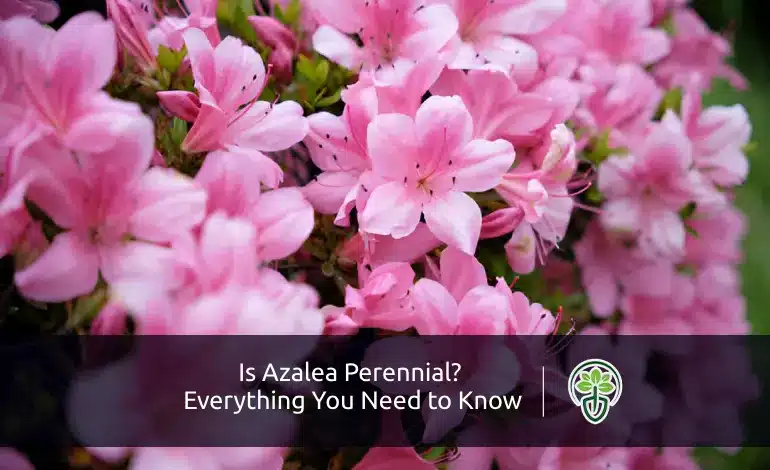
- Flower Traits: Evergreen azaleas have star-shaped, rounded, or ruffled blooms and short petals. Evergreen azalea blooms in pinks, whites, purples, and rarely yellow. Deciduous azaleas have funnel-shaped blossoms with long stamens and are colored in rare yellow and orange shades.
- Blossom Timing: Evergreen azaleas are usually spring bloomers, but some hybrid variants rebloom in summer or fall. The deciduous azaleas bloom season is in mid to late spring, and R. viscosum variants bloom again in summer or fall.
Azaleas as Perennials: Growth and Blooming Habits
Here is a complete overview of Azalea’s growth and blooming habit-
Azalea Growing Habit
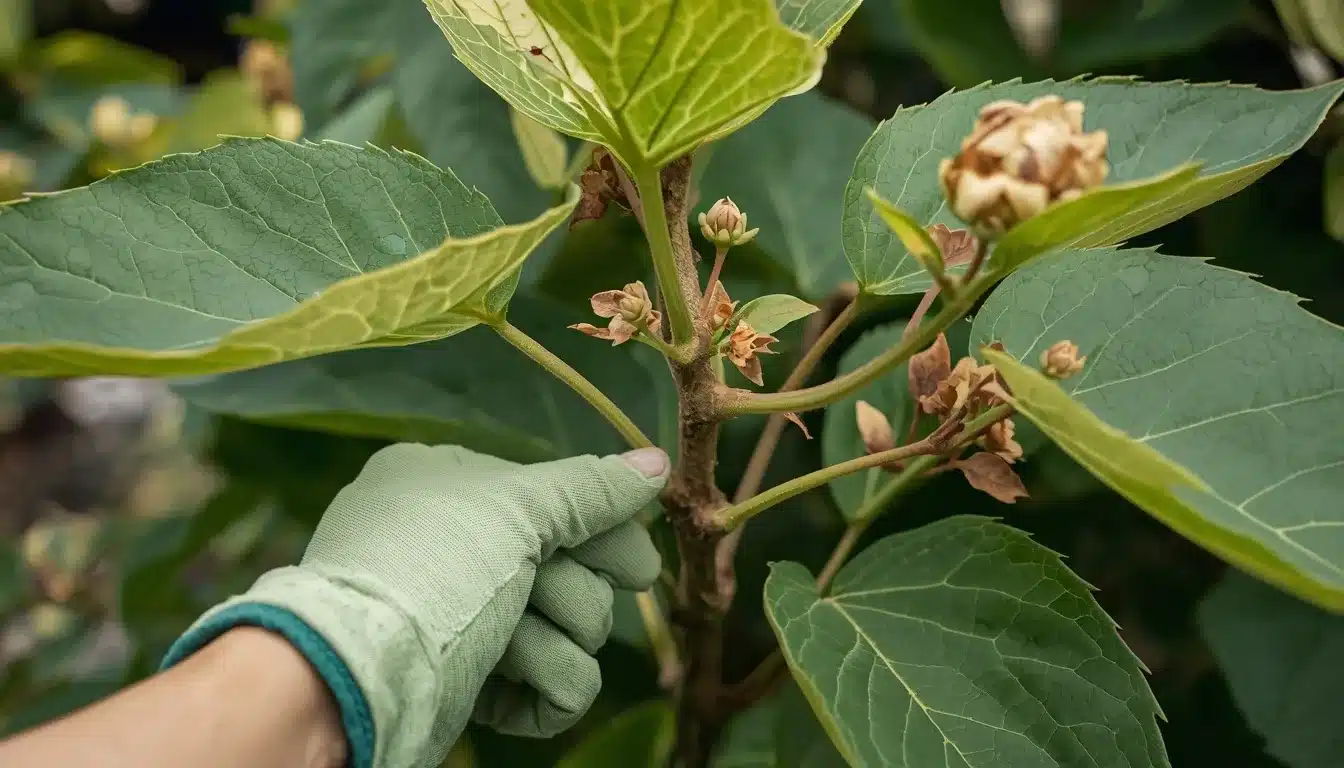
Azaleas are woody perennials that can survive for years. Where herbaceous perennials shrink to ground level in dormancy, azaleas maintain their strong structure and regrow new flower buds each spring.
Azaleas typically grow 6 to 12 inches deep in soil, maintaining a shallow, fibrous root system. This rooting system helps them to absorb water and important nutrients quickly. But, they are usually sensitive to deficiency and soil compression. To maintain a healthy root, good soil structure is a must for azaleas.
However, azaleas grow between 4 to 6 feet tall and wide, and their growth tends to be slow and moderate. But some varieties can grow up to 1 to 20 ft. Azaleas maintain a classic growth pattern- sleep, creep, leap. In the sleep phase, it focuses on roots, then it focuses on canopy expansion in the leap phase. Finally, in the leap phase, azaleas bloom in fuller growth.
Azalea Blooming Habit
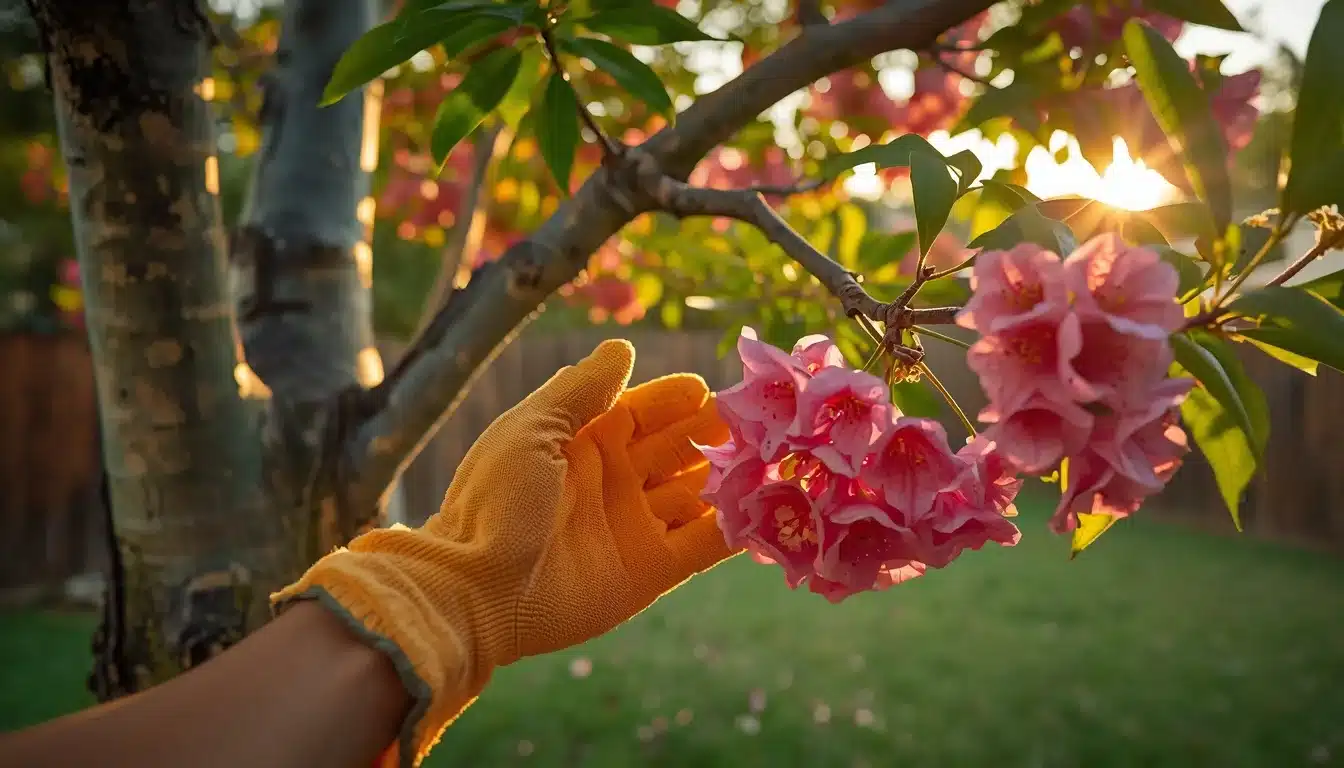
Azaleas mostly bloom in mid to late spring, lasting up to 3 to 6 weeks. It can be in a consistent reblooming period in mild and frost-free winters. Certain varieties produce second or third bloom cycles in summer through fall.
For a staggered bloom schedule, choose from early, mid‑season, and late-bloomer varieties of azaleas. For the best bloom, place it where morning sun and afternoon shade are available in a balanced amount. Maintaining the soil pH between 4.5 and 6.0 is optimal. During bud formation, constant soil moisture is required.
Pruning azaleas shortly after flowering promotes healthy growth and plenty of blooms. Late pruning can remove next year’s flower buds. You can enjoy the bloom of azaleas throughout the season by choosing appropriate varieties and providing appropriate azalea care.
Can Azaleas Survive Winter?
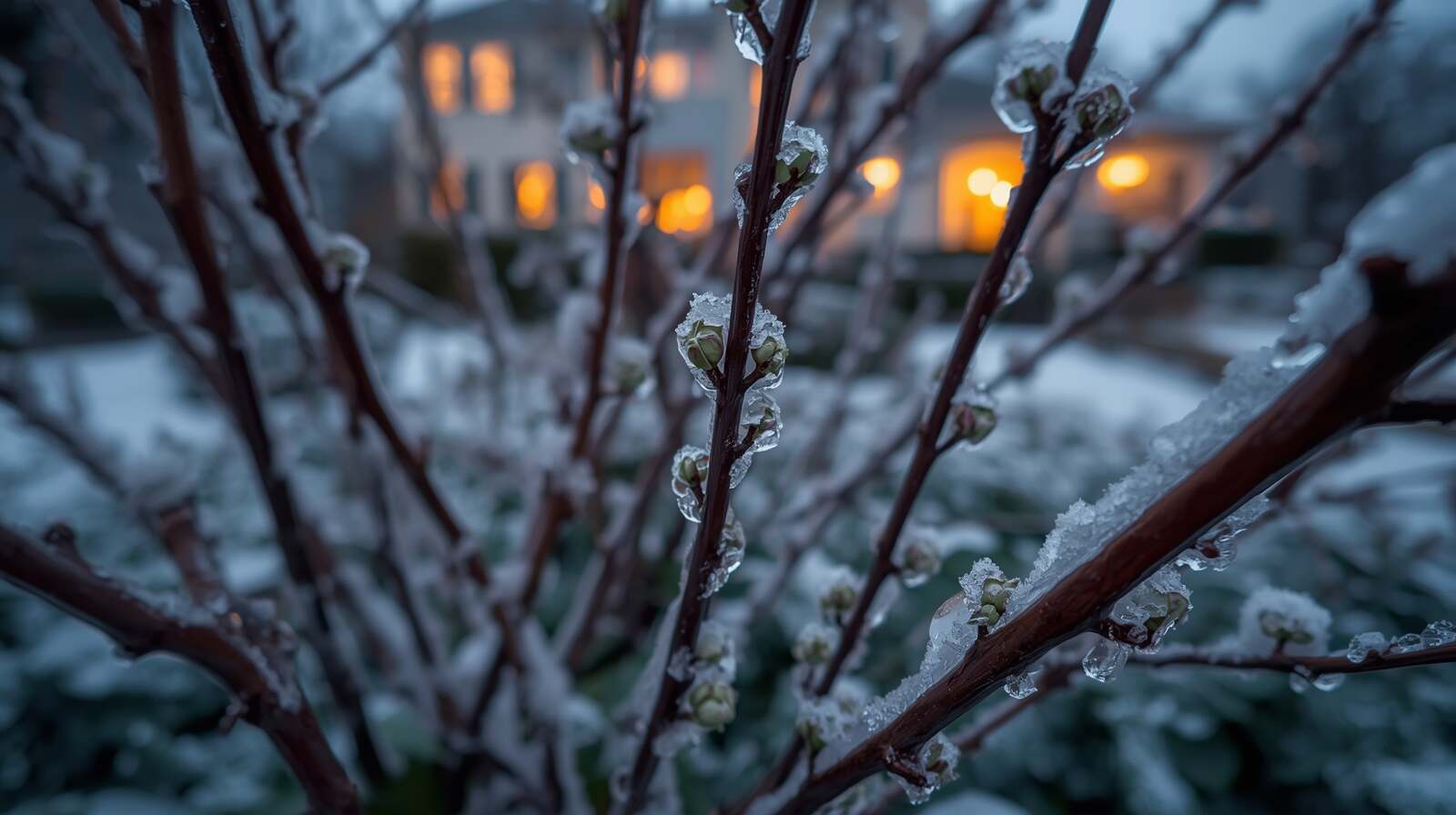
If you take the right precautions, azaleas can survive winter quite well. Their stability relies on maturity, variety, and the harsh winter. Some species of evergreen and deciduous azaleas can tolerate lows of –35°F in the USDA zones.
You can take pre-winter precautions by preparing, stopping fertilizing by midsummer, as late-season bud growth tends to be vulnerable. Water less in autumn to help your plants harden off. Apply organic mulch to insulate shallow roots.
Cover shrubs with breathable burlap or frost cloth under 20°F (–7 °C) or during heavy snow. Make a frame for protection and remove covers during daylight to prevent mold. Water deeply every 7 to 10 days to moisten the soil throughout winter. Put a windbreak or barrier in exposed locations as the wind dries the plants.
Visit Here: Yellow Azalea Bushes
How to Care for Azaleas to Keep Them Thriving Year After Year?
Here are some elaborate, year‑round azalea plant care gardening tips to help your azaleas thrive:
Planting & Site Selection
Plant your azalea in spring or early fall for the best establishment. Avoid full, intense sun or deep shade, and balance the light by choosing morning sunlight with afternoon shade. Ensure well‑drained, acidic soil (pH 4.5 to 6.0).
Watering
Aim for 6 to 8 inches of deep moisture to moisten the soil, but never waterlogged. Avoid overhead watering to reduce disease; use drip or soaker hoses. If you planted your azalea in a pot, monitor moisture more frequently as pots dry out faster.
Mulching
A 2–3 inch layer of organic mulch (pine straw, bark, leaves), but make sure it does not touch the crown. Refresh mulch in spring and fall to moderate soil temperature and uphold acidity.
Fertilizing
Fertilize in late winter or early spring, but avoid fertilizing after midsummer. Choose slow-release, acid-loving fertilizers, and apply over the root zone surface.
Pruning
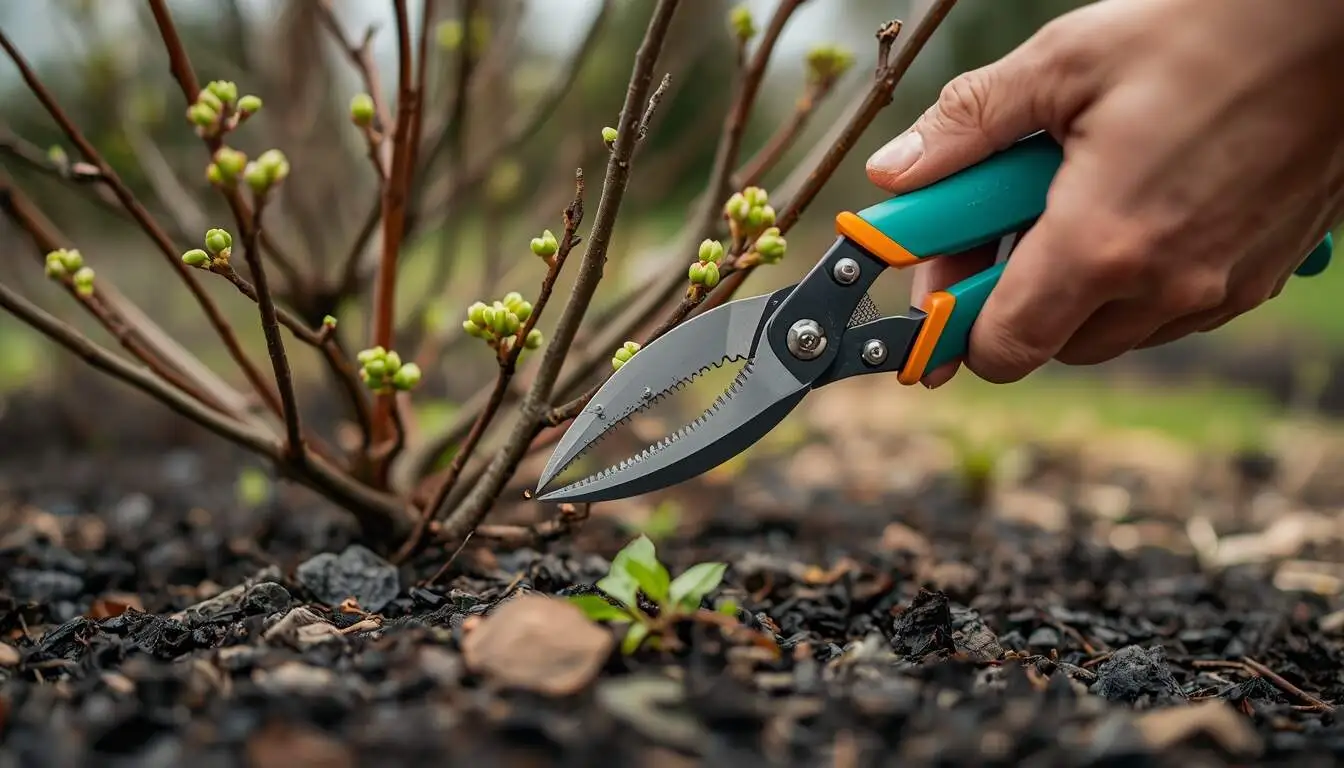
Prune immediately within 2 weeks of the blooming session, to avoid removing next year’s buds. Trim leggy or dead branches lightly and keep the natural form to promote new growth.
Pest & Disease Management
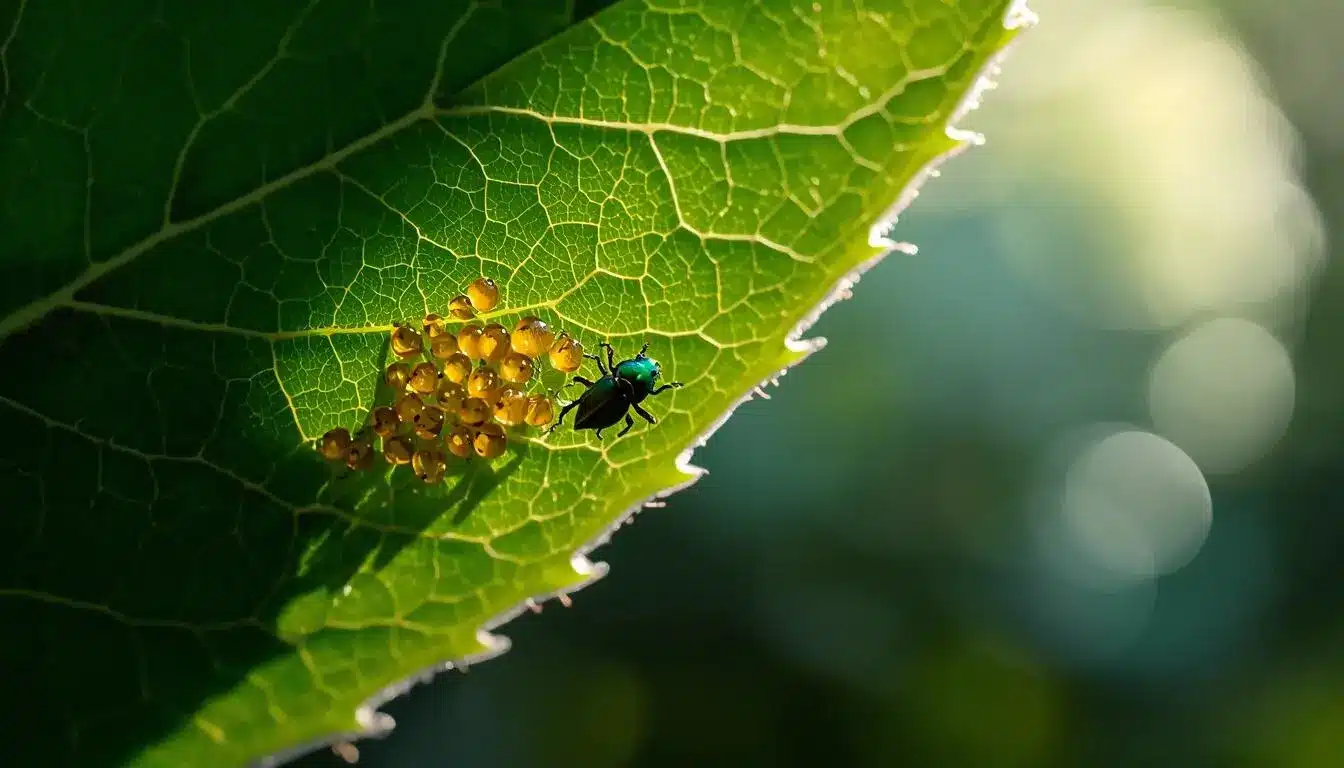
Treat early with neem oil or insecticidal soap to avoid the interaction from lace bugs, spider mites, and aphids. Ensure good air circulation, proper watering, and spacing to prevent root rot, powdery mildew, and leaf spot.
Is Azalea Perennial in Pots or Containers?
Azalea perennials can thrive in pots or containers year after year. Azaleas can live and rebloom properly when planted in pots or containers. Choose clay, ceramic, or terracotta pots with at least 12 to 16 inches (30–40 cm) wide. Make sure the pots have drainage holes. Add some rock at the bottom.
For soil mix, use a well-draining, acidic (pH 4.5–6) ericaceous mix and keep the soil evenly moist. Water enough when the top inch feels dry. You may need to water twice or thrice a week in hot or dry conditions, and it’s enough for once in the winter.
Repot every 2 to 4 years, refresh compost, and maybe shift to a bigger or same-size straight-sided container.
Conclusion
Azaleas are long-lived, woody shrubs that emerge and return each season, undeniably perennials. Some reports say they live up to 50 years as a reward for consistent care with long-term beauty.
So, with appropriate planting, regular pruning, timely watering, and proper care, azaleas will grace your garden with continuous blooms and steady presence, showcasing why they’re beloved perennial flowering shrubs in landscapes worldwide.
Read More: Azalea Poisonous
FAQs
Do azaleas die after flowering?
No, azaleas are perennial plants that don’t die after flowering, and they have a continuous growth cycle.
Can azaleas grow indoors as perennials?
Yes, azaleas can be grown indoors as perennials, but they require more care than usual houseplants.
Do azaleas need to be replanted every year?
No, azaleas don’t need to be replanted every year, as it can stress their growth.
What’s the average lifespan of an azalea plant?
Azaleas are naturally long-lived shrubs; many types of azaleas can live between 20 to 50 years when you care well.