Does Wisteria Attract Bees? What Gardeners Should Know

As a gardener, I’ve always been fascinated by the delicate beauty of wisteria. Its purple flowers that fall over can turn any yard into a whimsical paradise, but over time, I began to notice buzzing visitors among the flowers. Naturally, I wanted to know if the wisteria tree attracts bees. Bees are very important for pollinating plants, and knowing how they work with my plants helps me make a better, more colourful garden.
Today I’m going to talk about what I know about wisteria and why bees like it, including which types of bees are drawn to it, how it affects pollination, and what it means for my garden ecosystem. Many gardeners often ask, does wisteria attract bees, and the simple answer is yes, because its fragrant blooms are rich in nectar. This guide will help you grow better, whether you’re planting wisteria for its looks or to help wildlife.
Quick Answer: Yes, Wisteria Attracts Bees
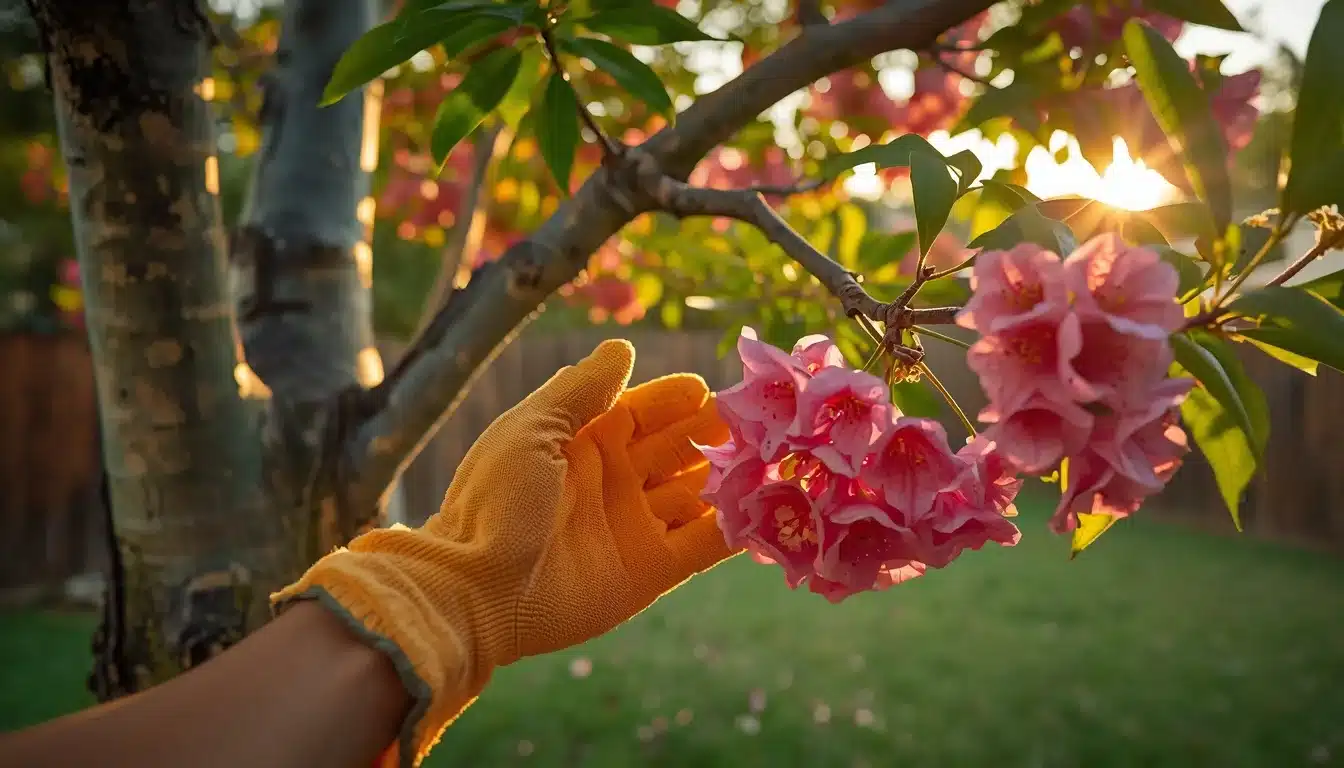
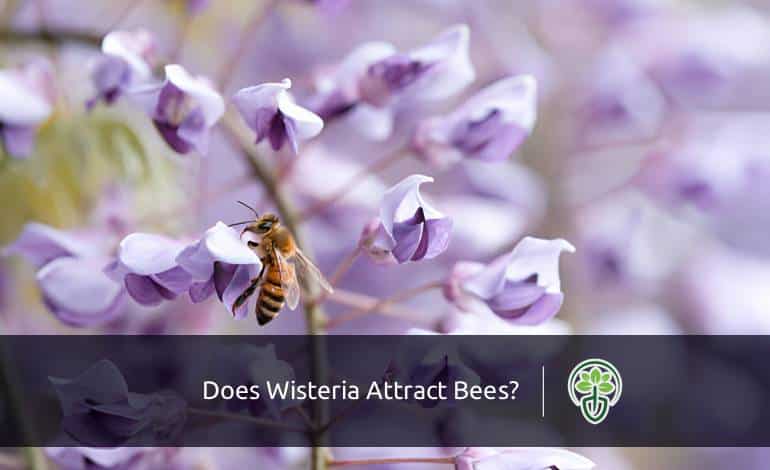
From my experience, wisteria really does attract bees. Bees can’t stay away from the long, hanging groups of flowers because wisteria flower smell sweet and have lots of nectar. I’ve seen that honeybees and bumblebees come by often, especially in the spring when there are lots of flowers. These flowers are a great place for bees to get food, which helps them get ready for pollination activities.
It’s also interesting that I’ve seen that the wisteria vine seems to attract more bees as it gets mature and well-established. Some farmers might be bothered by the buzzing, but I’ve learned to enjoy it because it means my garden is helping the pollinators in my area. If you’re wondering if wisteria attracts bees, it certainly does, making it a great choice for anyone wanting to support wisteria pollinators in their garden.
Why Do Bees Love Wisteria?
I’ve always been interested in why bees seem to go crazy for my wisteria every spring. After watching them closely, I now know it has something to do with the smell, the juice, and the shape of the flowers. The strong, sweet smell of wisteria flowers draws bees to them like a beacon. The strong, sweet-scented floral aroma of wisteria flowers draws bees to them like a beacon. The scent is enough to draw them in from surrounding areas, especially early in the morning when there is a lot of nectar. The scent is enough to draw them in from surrounding areas, especially early in the morning when there is a lot of nectar.
One of the main draws is the nectar-rich flowers themselves. The sweet nectar in wisteria flowers gives bees the energy they need to search for food and spread pollen. I’ve seen that both honeybees and bumblebees can’t stay away from these flowers. Their frequent visits help nearby plants get pollinated, which is good for my yard as a whole.
Wisteria flowers are also great for bees because of their shape. Bees can land easily on the hanging groups and get to the nectar. While doing so, they accidentally touch pollen and bring it to other flowers. I believe that growing wisteria is more than just making a space look nicer; it’s also about making a small ecosystem that helps pollinators do their jobs.
Types of Bees Attracted to Wisteria
Wisteria and bees have become very familiar to me over the years. Some types of bees are especially drawn to these beautiful flowers. Honeybees are the most frequent visitors. They are great at pollinating plants and are very active when they are looking for food. They often hop from flower to flower to get nectar and pollen, which helps nearby plants in my yard.
Another common visitor is the bumblebee. Because they are bigger, they can get nectar from flowers that smaller bees might have trouble with. I’ve seen bumblebees navigate the cascading clusters, almost like they were having fun. Their visits usually last longer than honeybees’ because they can carry more pollen.
On top of these, I sometimes see mason bees and other solitary bees exploring purple wisteria flowers. Even though they aren’t as noticeable as honeybees or bumblebees, solitary bees are very good at pollinating plants and add a lot to the general biodiversity of the garden.
Is It Safe to Grow Wisteria Around Patios or Decks
When I first thought about putting wisteria next to my patio, I was a little worried, mostly about the safety of the building and the people who would be using the area. Wisteria is a strong climber with thick, woody branches that can grow quickly and become heavy over time. If you don’t cut these vines back, they can damage pergolas, wooden decks, and trellises by twisting around supports and putting pressure on them. Still, wisteria can be grown safely near patios or decks as long as it is trimmed regularly and has the right kind of structural support.
The bees are another thing to think about. I have seen that bees are naturally drawn to the nectar when wisteria blooms are close to seating areas. For me, this meant picking a spot where the flowers are visible and fragrant plants but slightly removed from high-traffic areas, so that guests could enjoy the beauty without being bothered by bees all the time.
Overall, I think it’s safe to grow wisteria near patios or decks as long as you keep an eye on it. This method lets you enjoy the stunning floral display while reducing the chance of problems with structures and pollinators.
Managing Bee Activity Around Wisteria
While having wisteria in my yard has been a delight, I quickly learned that bees like to visit it a lot. Even though I like bees because they help pollinate plants, there were times when their presence near paths or sitting areas felt a bit much. Over the years, I’ve learned a few ways to keep bees from bothering wisteria without harming them or discouraging their essential work in the garden.
Time is very important. I saw that bees are busiest in the middle of the morning, when nectar production is high. I try to plan garden activities or outdoor gatherings for early morning or late afternoon, when there are fewer bees around. This simple adjustment significantly reduces the chances of accidental encounters.
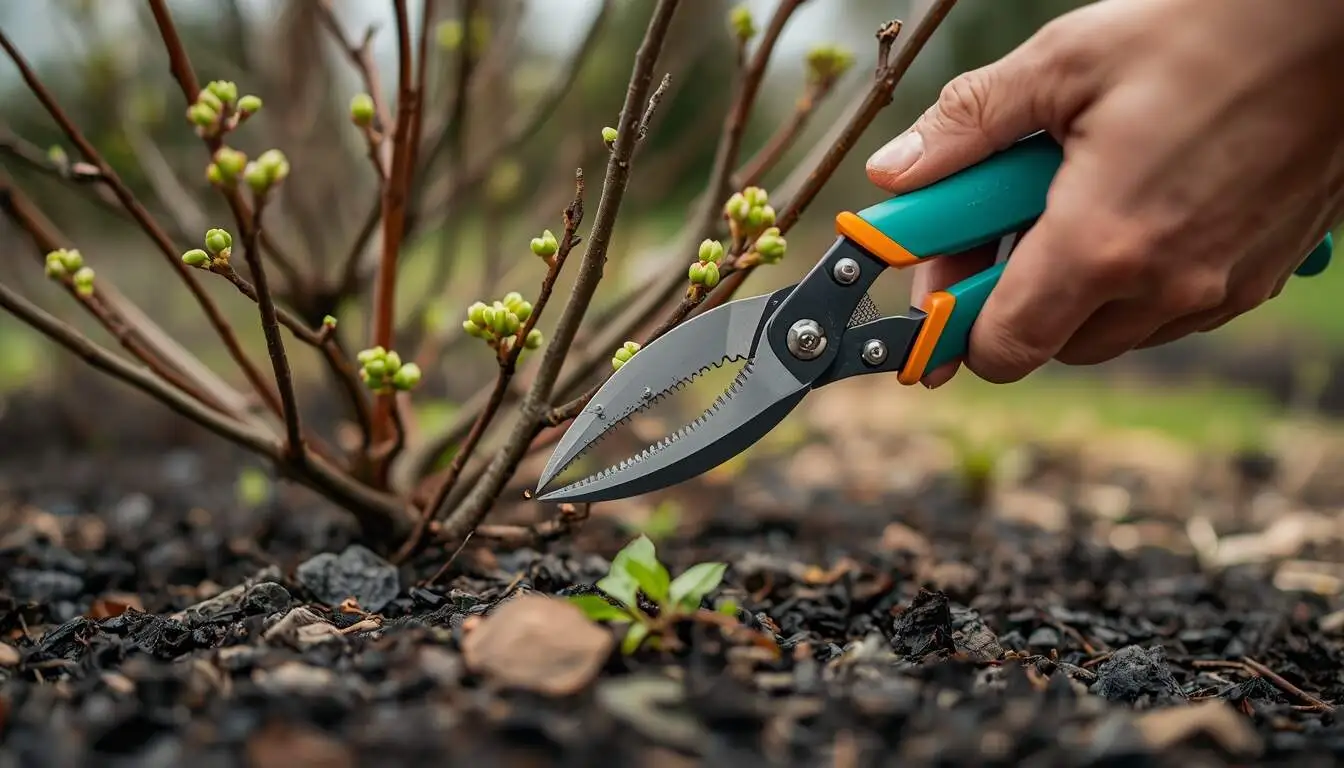
Pruning wisteria plants has also made a big difference. By regularly trimming the wisteria, I can control where the flowers bloom, which keeps bees away from patios and high-traffic areas. I also make sure that the plants are well supported on trellises or pergolas. This keeps the flowers away from the ground-level seating, which naturally keeps bees away from those areas.
Another approach I use is planting complementary flowers that go well together and bring bees to other parts of the garden. Flowers like lavender or catmint can serve as alternative nectar sources, encouraging bees to visit other places while still meeting their pollination needs.
Lastly, I always tell myself that bees are helpful and won’t bother you if you don’t bother them. I don’t hit them or bother them, and when I’m near wisteria in full bloom, I wear light-colored clothes. Over time, I’ve learned that if I understand how they act and work with it instead of against it, my wisteria and the bees can both do well in the yard.
Benefits of Attracting Bees to Your Garden
Over the years, I’ve come to appreciate that having bees in my yard isn’t just a nice thing to have; it’s very good for the health and productivity of my plants. Enhanced pollination is one of the most clear benefits. Bees are very important because they move pollen from one flower to another. This helps fruits, vegetables, and ornamental plants grow more flowers and better crops. I’ve seen that parts of my garden where bees are active all the time tend to have more colourful flowers and a better crop of fruits and vegetables.
Increased biodiversity is another benefit I’ve seen. Bees bring in pollinators and other beneficial insects, which makes the ecosystem in your yard healthy and balanced. I’ve seen ladybirds, hoverflies, and even some butterflies drawn to places where bees are busy. This helps keep pests away naturally and keeps plants healthy.
Having bees around also strengthens soil health indirectly. When plants get more pollination, their root systems get stronger. This prevents soil erosion and helps microorganisms live. Over time, I’ve found that this makes the plant soil healthier and more durable.
Finally, attracting bees has an educational and aesthetic benefit. Watching these hardworking bugs work among the flowers brings life and movement to the garden and gives you chances to see nature at work every day. It calms me down and motivates me, telling me of how everything in the garden is connected.
In short, letting bees into your pollinator garden does more than just help pollinators; it also directly improves plant growth, supports a balanced environment, boosts soil health, and makes gardening more fun overall.
Are There Wisteria Alternatives That Don’t Attract Bees
Even though I love wisteria for its beautiful flowers that attract bees, I know that some gardeners would rather have flowering plants that don’t attract as many bees, especially near patios, playgrounds, or other places that get a lot of use. Over time, I’ve looked into a few other options that look nice without drawing as many pollinators.
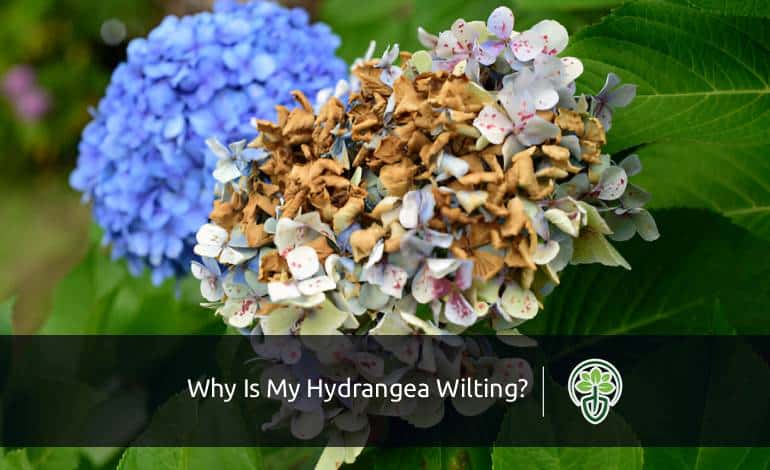
Hydrangea is one choice that has worked for me. These shrubs have big, showy flower clusters that bloom in pink, blue, or white. They put on a dramatic show without relying too much on nectar to draw bees. Camellias are another option. They have beautiful blooms in the winter or early spring and a classy look. I’ve found that camellias don’t attract as many pollinators as other flowers in the garden, but they still add colour and elegance.
Clematis varieties can be a good choice to wisteria if you want vertical interest. Some types of clematis have pretty flowers, but their nectar isn’t as good, so they don’t draw as many bees.
In the end, picking an alternative relies on your garden’s design and priorities. For me, it’s easy to choose plants now that I know how to balance their looks with their ability to attract pollinators. Even though wisteria is beautiful, these other plants are easier to care for and don’t attract as many bees, making them ideal for spaces where you want flowers without frequent bee encounters.
Conclusion
From what I’ve seen, wisteria is more than just a beautiful addition to any garden. It also attracts bees, which are important pollinators that keep a garden healthy and useful. The buzzing can be annoying near patios or sitting areas, but if you place the plants carefully, prune them regularly, and know how bees behave, you can enjoy both the beauty of the flowers and the benefits of pollination. For gardeners like me, wisteria is the perfect mix of beauty and ecological value. It can turn any outdoor area into a lively, thriving, and peaceful garden.
FAQs
Does wisteria attract wasps, too?
Wisteria mostly draws bees in with its nectar and fragrance. Wasps may come by once in a while, but not as often or consistently as bees. Wasps don’t pollinate plants as well as bees do, so wisteria doesn’t attract them in large numbers.
Can I grow wisteria if I’m allergic to bee stings?
Yes, it is possible to grow wisteria, but you will need to be careful. If you are allergic to bee stings, you should plant wisteria away from patios, doors, and walkways where you like to be. It’s also important to have an epinephrine auto-injector on hand and consult with a doctor.
How do I protect my children from bees near wisteria?
I think wisteria should be planted away from play areas to keep safe gardening for kids. Teach kids not to swat at bees, and let them play outside in the late afternoon or evening, when there are fewer bees around.
Do bees damage wisteria plants?
No, bees do not damage wisteria. As it turns out, their trips help pollinate flowers and keep them healthy. The plant does well when bees are around, and I’ve never seen them hurt it.
When is bee activity highest around wisteria?
The busiest time for bees is generally from mid-morning to early afternoon, especially when the weather is sunny and flowers are in full blooming season. This is when nectar production is strongest, which makes them the most appealing to bees and other pollinators.