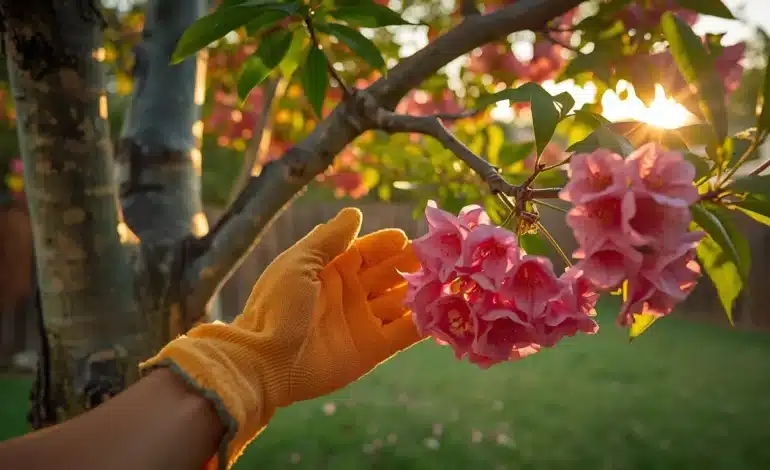
Crepe Myrtle Allergy Guide: Symptoms, Skin Welts, and Safe Pruning Tips

If you’ve been breaking out in itchy welts after working in your yard, or dealing with a persistent “summer cold” that won’t quit, your beautiful Crepe Myrtle might be the culprit. This surprises most people because these trees are often labeled as low-allergen plants. But here’s what the general advice doesn’t tell you: the reality for sensitive individuals can be quite different.
Is Crepe Myrtle Actually a “Safe” Tree for Allergy Sufferers?
You’ve probably read that Crepe Myrtles are safe for people with allergies. That’s technically true for most people, but it misses important details.
Understanding the “Low Allergen” Label
The confusion comes down to how Crepe Myrtle pollen behaves. Unlike grasses or ragweed that send lightweight pollen floating through the air for miles, Crepe Myrtle produces heavy, sticky pollen. This pollen doesn’t travel far on its own. Most allergy databases rank these trees as low-risk because their pollen rarely becomes airborne enough to affect people at a distance.
But that doesn’t mean the pollen is harmless. It just means you need closer contact to react.
Why You’re Reacting When Others Aren’t
If you’re experiencing symptoms, you’re likely either:
- Working directly with the tree (pruning, raking fallen blooms)
- Standing near the tree during peak bloom on dry, windy days, a common issue when trees are planted too close to the home, leading many to worry about the structural impact of ornamental trees on their siding or gutters.
- More sensitive to tree pollen proteins than average
The “low allergen” classification doesn’t account for direct contact or individual sensitivity levels. Think of it this way: bee stings are low-risk for most people until you’re the one who’s allergic.
Common Crepe Myrtle Allergy Triggers:
| Trigger Type | Risk Level | When It Happens |
| Direct contact with blooms | Low | Summer bloom season (Pollen is not a common allergen) |
| Pruning/trimming branches | Moderate | Any season (Exposure to dust, sap, or “Sooty Mold”) |
| Being downwind during bloom | Very Low | Dry, windy days (Pollen does not travel well in air) |
| Touching leaves with mildew | Moderate | Humid summer/fall (Reaction to fungal spores) |
Identifying Your Symptoms: Pollen vs. Physical Contact
Crepe Myrtle allergies show up in two distinct ways, and knowing which one you’re dealing with helps you protect yourself better.
Respiratory Symptoms from Pollen
When you breathe in Crepe Myrtle pollen, you might experience:
- Sneezing fits that come on suddenly
- Itchy, watery eyes that feel gritty
- Runny or stuffy nose
- Scratchy throat
- Sinus pressure and headaches
- That overall “I’m coming down with something” feeling
These symptoms typically appear during summer bloom cycles, especially on warm, breezy days. Many people mistake this for a summer cold that keeps coming back.
Skin Reactions from Physical Contact
This is where things get serious for some people. Contact dermatitis from Crepe Myrtle can cause:
- Red, raised welts that appear within hours of touching the tree
- Intense itching that gets worse at night
- Swelling around the affected area
- Rash that spreads beyond the initial contact point
- Symptoms that persist for several days
The skin reaction often surprises people because it can happen even when the tree isn’t blooming; however, it is important to distinguish these allergic welts from general plant toxicity levels for children and pets. You don’t need visible flowers to trigger contact dermatitis.

Oral Allergy Syndrome Connection
Some people with Crepe Myrtle sensitivity also react to certain fresh fruits and vegetables. This cross-reactivity happens because proteins in tree pollen resemble proteins in certain produce; according to clinical research on cross-reactive food triggers, your immune system can mistake these food proteins for the pollen it already dislikes.
- Apples
- Cherries
- Peaches
- Carrots
- Celery
If your mouth or throat itches after eating these foods raw (but not cooked), you might be experiencing oral allergy syndrome related to your tree pollen sensitivity.
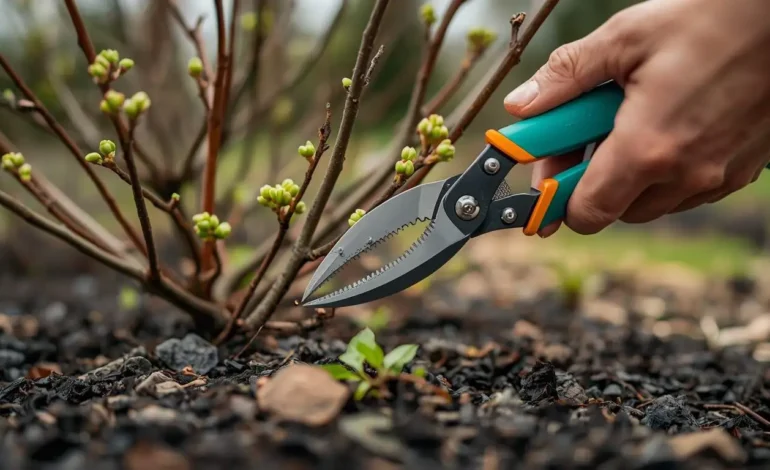
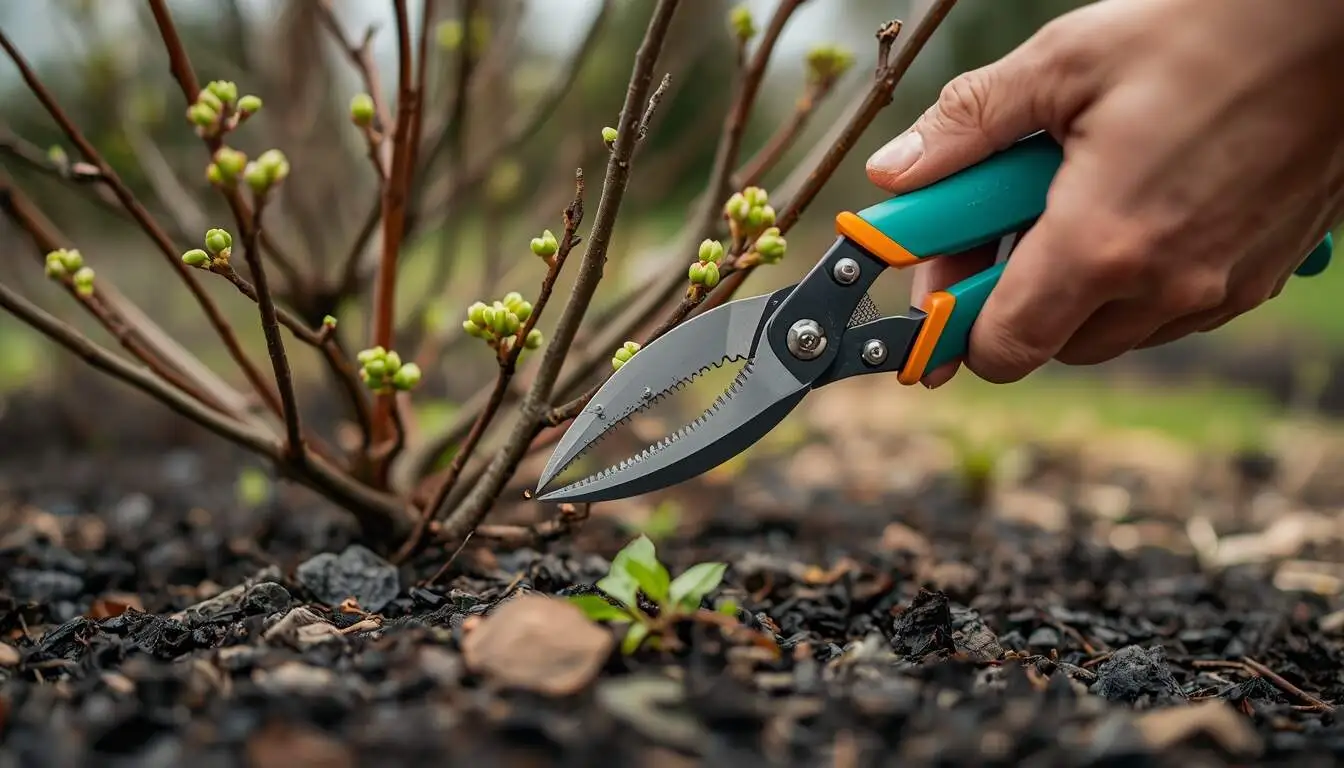
The “Pruning Trap”: Why Winter Trimming Can Still Trigger Reactions
Here’s something most gardening guides won’t tell you: you can have a severe reaction to your Crepe Myrtle in January when there isn’t a single leaf or flower in sight.
The Common Mistake
Many people wait until late winter or early spring to prune their Crepe Myrtles. The logic makes sense at first. No leaves, no blooms, no problem, right? Wrong.
The allergens don’t disappear just because the tree is dormant; proteins remain in the wood and sap, and for those considering full removal to avoid these triggers, it is wise to first check for subterranean root intrusion near your home’s water lines. When you cut into branches, you’re exposing yourself to concentrated allergens.
What Actually Happens
After winter pruning, sensitive individuals often experience:
- Welts that appear 2-6 hours after working
- Swelling that gets progressively worse over 24-48 hours
- Itching that intensifies each day
- Rash spreading to areas that didn’t even touch the tree
One person described it as “the welts just kept getting worse for three days after I trimmed the tree, even though I’d showered right after.”
Essential Protection for Sensitive Landscapers
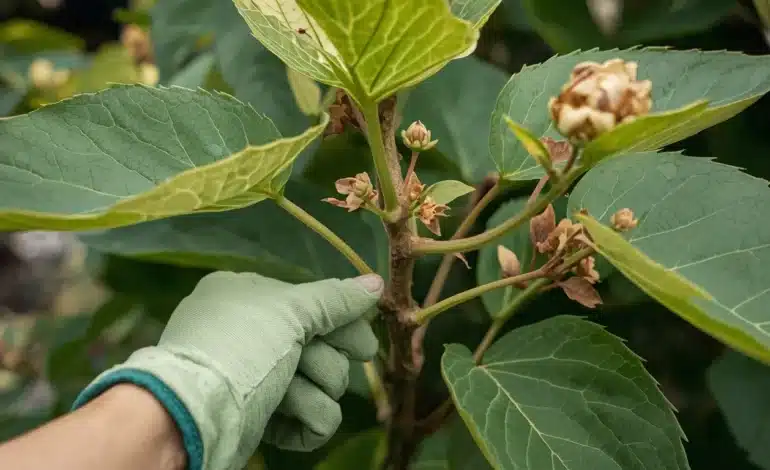
If you’re allergic but need to maintain your Crepe Myrtle, treat it like serious yard work year-round:
Minimum protective equipment:
- Long sleeves (tightly woven fabric, not loose knit)
- Gloves that cover your wrists completely
- Long pants tucked into socks
- Safety glasses to keep sap out of your eyes
- Dust mask or respirator (even in winter)
After working with the tree:
- Shower immediately
- Wash your clothes separately in hot water
- Wipe down any tools that touched the tree
- Don’t touch your face until you’ve cleaned up
These precautions matter just as much in February as they do in July.

Peak Allergy Timing and Environmental Triggers
Understanding when you’re most at risk helps you plan outdoor activities and yard work around the worst periods.
Summer Bloom Cycles
Crepe Myrtles typically bloom from late May through September, depending on your climate. Peak pollen production happens during the heaviest bloom period, usually mid-June through August.
But bloom timing varies by:
- Your specific hardiness zone
- Local weather patterns
- The Crepe Myrtle variety you have
- How the tree was pruned earlier in the year
Weather Conditions That Make It Worse
Not all summer days pose equal risk. Pollen levels spike when conditions are:
High-risk weather:
- Warm temperatures (above 75°F)
- Low humidity
- Moderate to strong winds
- No recent rain
Lower-risk weather:
- Cool, overcast days
- High humidity
- Calm air
- Right after rainfall (pollen gets washed away temporarily)
The Early Morning Problem
Pollen counts peak between 5:00 AM and 10:00 AM. Plants release pollen as temperatures rise after dawn. If you’re planning yard work or exercise, afternoons and evenings typically offer better conditions for people with pollen allergies.
Daily Pollen Timeline:
| Time of Day | Pollen Levels | Outdoor Activity Risk |
| 5:00 AM – 10:00 AM | Highest | High (Stay indoors; pollen rises as dew dries) |
| 10:00 AM – 3:00 PM | High | Moderate-High (Peak heat keeps pollen airborne) |
| 3:00 PM – 7:00 PM | Moderate | Lower Risk (Levels begin to dip as air cools) |
| Evening / Night | Lowest | Safest (Pollen settles; best for exercise) |
Treatment and Long-Term Management Strategies
You have options beyond just suffering through allergy season or removing your trees.
Immediate Relief Options
Over-the-counter antihistamines work well for most people with tree pollen allergies:
- Cetirizine (Zyrtec): Fast-acting, lasts 24 hours, can cause drowsiness in some people
- Fexofenadine (Allegra): Non-drowsy, good for daytime use, takes effect within an hour
- Loratadine (Claritin): Gentler option, less effective for severe symptoms, truly non-drowsy
Take these consistently during bloom season rather than waiting for symptoms to start. Prevention works better than reaction.
Nasal Sprays for Persistent Congestion
If antihistamines alone aren’t cutting it:
- Fluticasone (Flonase): Reduces inflammation, takes 3-7 days to reach full effectiveness
- Triamcinolone (Nasacort): Similar to Flonase, some people prefer the spray mechanism
Start these a week or two before your trees typically bloom for best results.
For Skin Reactions
When you develop welts or rashes:
- Take an oral antihistamine immediately
- Apply hydrocortisone cream (1% or stronger) to affected areas
- Use cool compresses to reduce swelling
- Avoid scratching (it makes everything worse)
- If swelling is severe or spreads rapidly, call your doctor
Building Long-Term Tolerance
Sublingual immunotherapy might be worth exploring if your symptoms are severe or you have multiple tree allergies. This treatment involves:
- Placing small amounts of allergen extract under your tongue daily
- Gradually increasing your tolerance over months to years
- Potential for significant symptom reduction
- Can be done at home after initial medical supervision
This isn’t a quick fix, but many people see substantial improvement within the first year.
Indoor Mitigation Strategies
Reduce allergen exposure inside your home:
- Run HEPA air purifiers in bedrooms and main living areas
- Keep windows closed during peak pollen hours
- Change clothes and shower after being outside
- Vacuum frequently with a HEPA-filter vacuum
- Wash bedding weekly in hot water
Related search terms: Lagerstroemia indica allergies, summer tree pollen allergies, contact dermatitis from flowering trees, crepe myrtle pruning allergies
Allergy-Friendly Landscape Alternatives
If your Crepe Myrtle allergy is severe enough, you might consider replacing it with species that are known for being deer-tolerant shrubs and low-pollen producers. Here are better options for sensitive individuals.
Top Low-Pollen Alternatives
Dogwood (Cornus florida):
- Produces minimal pollen
- Beautiful spring blooms
- Similar ornamental appeal
- Lower maintenance needs
Magnolia (Magnolia grandiflora):
- Large, showy flowers with heavy pollen that doesn’t become airborne
- Evergreen varieties available
- Strong fragrance (test your tolerance first)
Japanese Maple (Acer palmatum):
- Excellent fall color
- Low pollen production
- Smaller size than Crepe Myrtle
- Multiple varieties for different looks
Serviceberry (Amelanchier):
- Early spring flowers
- Edible berries
- Low allergen potential
- Great for wildlife
Trees to Avoid If You Have Allergies
If Crepe Myrtle bothers you, stay away from these high-pollen producers:
Worst offenders:
- Mulberry (notorious for triggering severe allergies)
- Cypress (extremely high pollen counts)
- Mesquite (long allergy season)
- Oak (heavy pollen producer in spring)
- Birch (cross-reacts with many foods)
Comparison of Common Ornamental Trees:
| Tree Type | Pollen Level (Airborne) | Allergy Risk | Bloom Season |
| Crepe Myrtle | Low | Low | Summer |
| Dogwood | Low | Low | Spring |
| Magnolia | Low | Low | Spring / Summer |
| Japanese Maple | Low | Low | Spring |
| Mulberry | Very High | High | Spring |
| Cypress | Very High | High | Winter / Spring |
Frequently Asked Questions
Can you be allergic to Crepe Myrtle trees?
Yes. While Crepe Myrtles are classified as low-allergen trees, some people react to their pollen or develop contact dermatitis from touching the bark and branches. The pollen is heavy and sticky, so reactions typically occur with close contact rather than from distant exposure.
What does a Crepe Myrtle rash look like?
A reaction to Crepe Myrtle appears as raised, red welts similar to hives. The affected area may swell significantly, and intense itching usually develops within a few hours of contact. The rash can spread beyond the initial contact area and may worsen over 2-3 days before improving.
Is Crepe Myrtle pollen airborne?
Only minimally. Crepe Myrtle pollen is heavy and sticky, designed for insect pollination rather than wind dispersal. It rarely travels more than a few feet from the tree unless conditions are extremely dry and windy. This is why most allergy references classify these trees as low-risk.
Why am I getting welts after trimming my Crepe Myrtle?
You’re experiencing contact dermatitis from allergens in the tree’s bark, sap, and wood. This can happen any time of year, not just during bloom season. The proteins that trigger this reaction don’t disappear when the tree is dormant. Wearing protective clothing and gloves during pruning prevents most contact reactions.
When is Crepe Myrtle allergy season?
Peak allergy season runs from late May through September when the trees are actively blooming. However, sensitive individuals can react year-round when doing maintenance work like pruning or raking. The worst symptoms typically occur during mid-summer on warm, dry, windy days between 5:00 AM and 10:00 AM.
Are there low-allergy alternatives to Crepe Myrtles?
Dogwood and Magnolia trees provide similar ornamental value with much lower allergy potential. Japanese Maple and Serviceberry are also excellent choices. Avoid replacing Crepe Myrtle with high-pollen producers like Mulberry, Cypress, or Oak trees.
Do Crepe Myrtles cause Oral Allergy Syndrome?
Some people with Crepe Myrtle sensitivity experience oral allergy syndrome when eating certain raw fruits and vegetables. This happens because tree pollen proteins resemble proteins found in foods like apples, cherries, peaches, and carrots. Cooking these foods typically eliminates the problem.