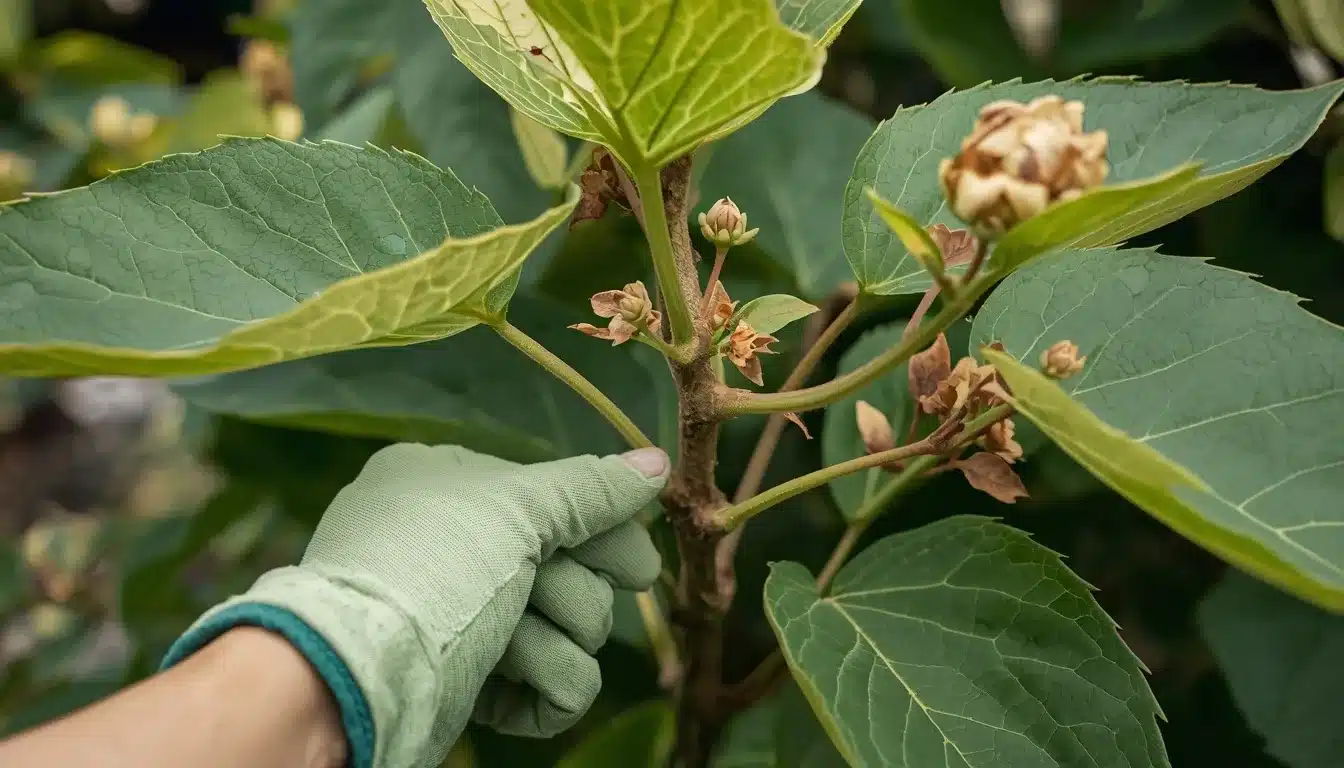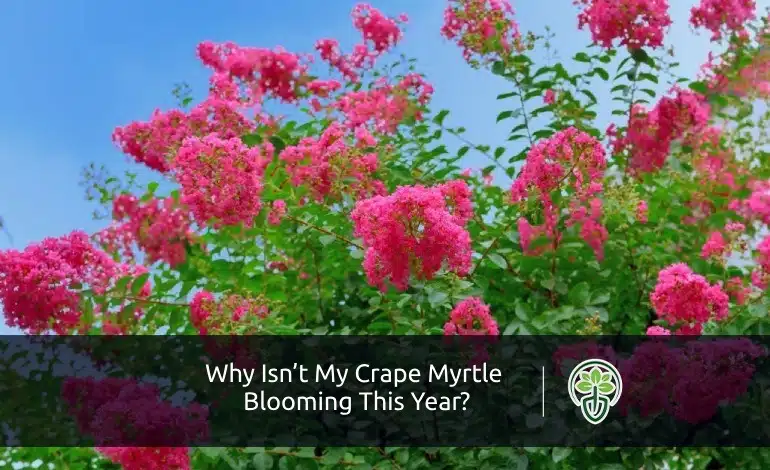

Are Crepe Myrtles Deer Resistant? Things You Need to Know

Quick Answer: Yes, crepe myrtles (Lagerstroemia indica) are deer-resistant. According to Rutgers University’s landscape plant study, they’re rated as “Seldom Severely Damaged” by deer. While no plant is completely deer-proof, crepe myrtles have smooth bark, paper-like flowers, and a mild toxicity that makes them unappealing to deer in most situations.
If you’re planning a beautiful landscape but worried about deer damage, you’re probably wondering: Are crepe myrtles deer resistant? Good news. Crepe myrtles are one of the more reliable deer-resistant flowering trees you can plant in zones 7 through 9.
(And if you’re growing them, check out our guide on crepe myrtle fertilization to keep them healthy and even more resistant)
Deer can turn a gorgeous garden into a salad bar overnight. But crepe myrtles (Lagerstroemia indica) have natural defenses that keep them off the menu most of the time. Their smooth exfoliating bark, paper-like flowers, and slight toxicity make them far less appealing than hostas, roses, or azaleas.
That said, “deer resistant” doesn’t mean “deer proof.” In areas with high deer populations or during harsh winters when food is scarce, even resistant plants can get nibbled. The good news? With a few simple protection strategies, you can enjoy vibrant crepe myrtle blooms without constant damage from deer.
In this guide, we’ll cover everything you need to know about crepe myrtles and deer, including which varieties resist browsing best, what makes them unappealing to deer, and how to protect young plants when they’re most vulnerable.
Are Crepe Myrtles Deer Resistant?
Yes! Crepe myrtles are deer resistant, which means deer do not eat crepe myrtles as their preferred food. But they can try it if there are not enough food available. Crape myrtles (Lagerstroemia indica) are generally seen as deer resistant and are often rated as rarely suffering serious damage from deer. However, this doesn’t completely prevent deer browsing, particularly on newly planted specimens. In times of hunger, deer may still nibble on young plants or even strip them entirely, so taking precautions like enclosing young trees in cages or applying deer repellents is advisable in regions with a heavy deer presence.
What Does “Deer Resistant” Actually Mean?
Not all deer-resistant plants are created equal. Rutgers University’s New Jersey Agricultural Experiment Station studied hundreds of landscape plants and created a four-tier rating system based on actual deer damage in gardens across the Northeast.
Here’s how the ratings work:
Rarely Damaged: Deer rarely touch these plants.
Seldom Severely Damaged: Deer might nibble occasionally, but damage is minimal (this is where crepe myrtles land).
Occasionally Severely Damaged: Moderate risk of significant damage.
Frequently Severely Damaged: Deer love these plants and will target them first.
Crepe myrtles earned the “Seldom Severely Damaged” rating, which puts them in the second-best category for deer resistance. This means you can plant them with confidence in most deer-populated areas. They won’t be the first thing deer eat, and in many cases, they won’t be eaten at all.
Compare this to plants like hostas or rhododendrons, which fall into the “Frequently Severely Damaged” category. The difference is significant.
If you want to see your crepe myrtles bloom at their best, learn about crepe myrtle blooming time to know when they’re most attractive in your landscape
Why Don’t Deer Eat Crepe Myrtles?
Deer are picky eaters, and crepe myrtles have several characteristics that make them unappealing. Understanding why helps you appreciate just how reliable these plants are.
1. Smooth, Peeling Bark That’s Hard to Chew
Unlike tender young growth that deer crave, crepe myrtles develop smooth, exfoliating bark that literally peels off in sheets. This creates a texture that’s difficult for deer to grip with their teeth. Deer prefer soft, succulent stems that they can easily strip and chew.
The bark on mature crepe myrtles becomes mottled and multi-colored as it peels, which looks beautiful to us but offers nothing appetizing to deer.
2. Paper-Like Flowers with Low Water Content
Here’s something most gardeners don’t realize: deer are primarily looking for moisture-rich plants. They prefer tender leaves, flower buds, and berries with high water content.
Crepe myrtle flowers have a distinctive crepe-paper texture because they contain very little moisture. Those delicate-looking petals might look pretty, but to a deer, they’re basically nutritionally empty. It’s like offering someone a paper plate instead of a steak.
3. Mild Toxicity That Deer Can Detect
Crepe myrtles contain compounds that are mildly toxic to deer. While they won’t seriously harm a deer that takes a bite, they’re unpleasant enough that deer quickly learn to avoid them. Because of this, many gardeners naturally wonder about the safety of these plants for household pets and humans. Deer have an excellent sense of smell and can detect these compounds before even taking a bite.
Deer have an excellent sense of smell and can detect these compounds before even taking a bite. It’s similar to how bitter sprays work on dogs. They don’t cause harm, but they create an unpleasant association that keeps the animal from coming back.
This is actually one of the main reasons crepe myrtles are rated as “Seldom Severely Damaged” rather than “Rarely Damaged.” Hungry deer might test them once, but they rarely return for seconds.
4. Strong Scent During Blooming Season
When crepe myrtles bloom from July through September, they release a noticeable fragrance. While many people find it pleasant, deer are less enthusiastic. Strong-smelling plants generally rank lower on a deer’s preference list because they mask other food sources and can be overwhelming to their sensitive noses.
which is why proper care during this period is essential, check out our complete crepe myrtle care guide for blooming tips
5. Seasonal Timing Works in Their Favor
Crepe myrtles are deciduous, meaning they drop their leaves in fall. This timing actually helps protect them. By the time winter arrives and food becomes scarce, there’s not much left on a crepe myrtle to eat. The bare branches and woody stems offer nothing attractive to a hungry deer looking for tender growth.

Are Some Crepe Myrtle Varieties More Deer Resistant Than Others?
Here’s the truth: all crepe myrtle varieties are equally deer resistant because they share the same basic characteristics. The smooth bark, paper-like flowers, and mild toxicity exist across the board, whether you’re planting a 3-foot dwarf or a 30-foot standard.
However, height makes a practical difference.
Tall Varieties Offer More Protection
Mature deer can browse plants up to 6 feet high when standing on their hind legs. If your crepe myrtle grows taller than that, the top portions are naturally safe from browsing damage.
Here are some taller varieties that quickly grow beyond deer reach:
Natchez (20-30 feet)
– White flowers
– One of the tallest varieties
– Grows out of deer range within 2-3 years
Muskogee (20-25 feet)
– Lavender-pink flowers
– Excellent disease resistance
– Reliable bloomer in zones 7-9
Tuscarora (15-20 feet)
– Coral-pink blooms
– Fast grower
– Good choice for smaller yards
Dwarf Varieties Need More Protection
Dwarf crepe myrtles like Pocomoke or Chickasaw stay in the 2-3 foot range, which means they remain within easy deer reach their entire lives. If you’re planting dwarfs in a deer-heavy area, you’ll want to take extra protection measures.
That doesn’t mean you shouldn’t plant them. Just be aware they’ll need fencing, repellents, or both to stay safe in high-pressure areas.
Bottom line: All crepe myrtles are deer resistant, but taller varieties have the practical advantage of growing out of reach faster.
If you have a small yard but want to grow crepe myrtles, see our guide on choosing the right crepe myrtle for small yards
When Will Deer Actually Eat Crepe Myrtles?
Even though crepe myrtles are deer-resistant, there are situations where deer might browse them. Understanding these helps you decide if you need extra protection.
Factor 1: Extreme Food Scarcity
During harsh winters or droughts, deer will eat plants they normally avoid. If their preferred food sources disappear, even mildly toxic plants become options. This is most common in late winter (February-March) when food is at its lowest.
In these situations, young crepe myrtles are most vulnerable. Mature plants with woody stems usually survive browsing, but tender new growth can get damaged.
Factor 2: High Deer Population Density
In areas where deer populations are very high, competition for food increases. When you have 20-30 deer per square mile instead of the healthy 5-10, even resistant plants face pressure.
If you live in an area where you see deer daily or multiple times per week, consider extra protection measures for any new plantings, including crepe myrtles.
Factor 3: Young Plant Vulnerability
Newly planted crepe myrtles under 3 feet tall are the most vulnerable. Their stems are still somewhat tender, and they haven’t developed the thick, exfoliating bark that makes mature plants less appealing.
This is why many experts recommend protecting young crepe myrtles for their first 1-2 growing seasons, even though the species is generally deer resistant. Once they reach 4-5 feet and develop mature bark, they become much less attractive to deer.
Factor 4: Lack of Alternative Food Sources
If your yard doesn’t have plants that deer prefer, they’re more likely to test everything, including your crepe myrtles. Deer love tender hostas, rhododendrons, roses, and fruit trees. If you’ve planted mostly deer-resistant species, hungry deer might experiment more.
This isn’t a reason to plant deer favorites. But it does explain why some gardeners see browsing on resistant plants while others never have problems.
Will Crepe Myrtles Recover from Deer Damage?
Yes, in most cases, crepe myrtles bounce back from deer browsing. Their woody stems give them an advantage over herbaceous perennials that deer might destroy.
What to Expect After Browsing Damage
Light browsing (just a few nibbled leaves or branch tips):
– New leaf growth appears within 2-3 weeks
– Full recovery by mid-summer
– Minimal impact on flowering
Moderate browsing (multiple branches stripped):
– Regrowth takes 4-6 weeks
– May delay flowering by 2-4 weeks
– Still produces blooms, just fewer of them
– Complete recovery by the next growing season
Heavy browsing (plant stripped nearly bare):
– Takes the entire growing season to recover
– May not flower that year
– Usually recovers fully by the following spring
– In extreme cases, may die back to roots but re-sprout
If your crepe myrtle isn’t flowering after deer damage, our guide on why crepe myrtle is not blooming covers all possible causes and solutions.
How to Help Recovery
If deer damage your crepe myrtles, here’s what to do:
1. Don’t panic. Even damaged crepe myrtles rarely die completely. 2. Water consistently. Help the plant recover by keeping the soil evenly moist. While deep watering is essential for recovery, it is also a good time to verify that your subsurface plumbing and drainage lines aren’t being encroached upon by the root system.
2. Water consistently. Help the plant recover by keeping the soil evenly moist (not soggy) during the regrowth period.
3. Skip the fertilizer immediately. Wait until you see active new growth before fertilizing. Pushing stressed plants too hard can backfire.
4. Prune cleanly. If branches are torn or ragged, make clean cuts just above a bud. This helps the plant heal properly.
5. Add protection. Install fencing or apply repellents to prevent repeat browsing while the plant recovers.
When the time is right, follow our crepe myrtle fertilization schedule to help your plant recover stronger.
When Recovery Isn’t Likely
Very young crepe myrtles (first year after planting) that get completely stripped may not survive. Their root systems aren’t established enough to support major regrowth. If you lose a young plant, it’s usually worth replanting with better protection in place.
Mature plants, however, are remarkably tough. I’ve seen 5-year-old crepe myrtles stripped nearly bare in February bounce back with full canopies by July.
Understanding how fast crepe myrtles grow helps you set realistic expectations for recovery timelines.

7 Proven Ways to Protect Crepe Myrtles from Deer
Even though crepe myrtles are deer resistant, young plants or those in high-deer areas benefit from extra protection. Here are the most effective methods.
1. Physical Fencing (90-95% Effective)
For individual young plants:
Create a temporary cage using 4-foot welded wire fencing. Drive four stakes around the plant and wrap the wire around them. Leave it in place for 2-3 years until the plant grows beyond deer reach.
Cost: About $15-20 per plant
Best for: New plantings in high-deer areas
For property perimeter:
Install 8-foot fencing around your entire yard. Deer can jump 6-foot fences when motivated, so go tall if you’re serious about keeping them out completely.
Cost: $8-15 per linear foot installed
Best for: Whole property protection
2. Deer Repellent Sprays (60-75% Effective)
Repellent sprays work by making plants taste or smell unpleasant. They need reapplication but are less visually intrusive than fencing.
Top Products and How They Compare:
Liquid Fence
– Contains garlic and egg solids
– Lasts until next rain
– Apply every 7-10 days or after rain
– Strong smell for 24-48 hours after application
– Cost: About $20-25 per 32 oz
PlantSkydd
– Made from dried blood
– Lasts up to 6 weeks in dry weather
– Apply monthly during the growing season
– Milder scent than Liquid Fence
– Cost: About $30-35 per quart
Bobbex
– Uses putrescent egg solids
– Lasts 4 weeks typically
– Rain-resistant formula
– Cost: About $25-30 per quart
Application tips:
– Start before you see damage, not after
– Reapply after heavy rain (1+ inch)
– Spray in early evening when deer are less active
– Cover both sides of leaves for best results
3. Motion-Activated Sprinklers (Effective for 2-4 Weeks)
These devices spray water when they detect movement. Deer startle easily, and the sudden spray sends them running.
The catch: Deer adapt. After 2-4 weeks, they learn the pattern and start avoiding the spray zone or timing their visits.
Best used: As a temporary solution for young plants or rotated with other methods.
Cost: $40-70 per unit
Coverage: 35-foot radius
4. Companion Planting with Strong-Scented Plants
Plant lavender, rosemary, or Russian sage near your crepe myrtles. Deer dislike strong scents and may avoid the entire area.
Important: This works best as a supplement to other methods, not as standalone protection. Strong scents can help, but hungry deer will push through if motivated.
Good companions for crepe myrtles:
– Lavender (zones 5-9)
– Rosemary (zones 8-10)
– Russian sage (zones 5-9)
– Marigolds (annuals, all zones)
Plant in groups, not single specimens, for better scent coverage.
Want more planting ideas? Check out our guide on what to plant in front of hydrangeas for companion planting inspiration that also works with crepe myrtles.
5. Commercial Deer Deterrent Devices
Ultrasonic devices and predator urine products have mixed results. Some people swear by them. Others see no benefit.
Ultrasonic devices: Emit high-frequency sounds that deer supposedly don’t like. Effectiveness is debatable, with many university studies showing minimal impact.
Predator urine: Coyote or fox urine creates the illusion of predators nearby. Works initially but requires frequent reapplication and loses effectiveness as deer realize there’s no actual threat.
6. Plant Location Strategy
If possible, plant crepe myrtles closer to your house or high-traffic areas. Deer are naturally more cautious near human activity. However, when planting near your foundation, you should consider the long-term effects of tree proximity to residential structures to ensure a safe distance.
Most protected locations:
– Within 20 feet of your home
– Near frequently used walkways
– Areas where pets spend time
– Near garage or driveway entrances
Least protected locations:
– Back property lines
– Wooded edges
– Areas rarely accessed
– Far from human activity
7. Timing Your Plantings
Plant in early spring (March-April) rather than fall. This gives crepe myrtles a full growing season to establish and develop tougher bark before winter, when deer browsing pressure is highest.
Fall-planted crepe myrtles face maximum vulnerability in their first winter, when they’re small, and food is scarce.
For detailed planting instructions, see our guide on the best time to plant crepe myrtles.
You’ll see recommendations for scattering coffee grounds, hanging bars of soap, or spreading human hair around plants. These methods have weak to nonexistent effectiveness based on university research.
They might work for a day or two until the deer realize there’s no actual threat. Save your effort for proven methods.
Best Protection Strategy: Combine Methods
For young crepe myrtles in deer-heavy areas, use multiple approaches:
Year 1-2:
– Wire cage around plant.
– Monthly repellent spray as backup.
– Plant in a protected location near the house.
Year 3+:
– Remove caging once the plant reaches 5-6 feet.
– Occasional repellent spray during winter only.
– Monitor for antler rubbing damage in fall.
This combination gives young plants time to establish while minimizing cost and effort once they’re mature enough to resist browsing naturally.
What About Antler Rubbing Damage?
Here’s something that surprises many gardeners: even though deer won’t eat your crepe myrtles, bucks can still damage them during mating season.
Why Bucks Rub Trees
In late summer and fall (August through November), male deer rub their antlers against trees to remove velvet and mark territory. They prefer smooth-barked trees with trunks 2-4 inches in diameter.
Unfortunately, young crepe myrtles fit this profile perfectly.
What Antler Rubbing Looks Like
You’ll see:
– Shredded bark in vertical strips.
– Exposed wood underneath.
– Damage typically occurs 2-4 feet from the ground.
– Often on just one side of the trunk.
This damage is different from browsing. The deer isn’t trying to eat the plant. He’s using it as a scratching post.
Can Crepe Myrtles Survive Antler Rubbing?
It depends on severity. If the bark rubs all the way around the trunk (called girdling), the tree will likely die because nutrients can’t flow.
If only one side is damaged, the tree can usually recover by growing new bark tissue over the wound.
How to Prevent Antler Rubbing
The same wire cages that protect against browsing also prevent antler rubbing. Keep protective cages on crepe myrtles until trunks reach 5+ inches in diameter. At that point, they’re too large for bucks to target.
You can also wrap trunks with burlap or commercial tree wrap during fall if you want to remove cages for aesthetic reasons during summer.
Regular pruning also helps maintain tree structure.
Learn: how to prune tall crepe myrtles properly.
Crepe Myrtles vs. Other Deer-Resistant Flowering Trees
When selecting a flowering tree, “deer resistance” is often a top priority. Here is how the Crepe Myrtle stacks up against other popular landscape choices in terms of durability, size, and seasonal interest.
| Tree | Deer Resistance | Mature Height | Bloom Time | Hardiness Zones |
| Crepe Myrtle | Seldom Damaged | 6–30 ft | July–Sept | 7–9 |
| Fringe Tree | Rarely Damaged | 15–20 ft | April–May | 5–9 |
| Serviceberry | Seldom Damaged | 15–40 ft | March–April | 2–9 |
| Japanese Cherry | Occasionally Damaged | 15–25 ft | March–April | 5–8 |
| Redbud | Occasionally Damaged | 20–30 ft | March–April | 4–9 |
| Dogwood | Frequently Damaged | 15–30 ft | April–May | 5–9 |
Crepe myrtles offer excellent deer resistance plus the longest bloom period of any tree on this list. While fringe trees rate slightly higher for resistance, they bloom for just 2-3 weeks compared to crepe myrtle’s 2-3 months. If you want both deer resistance and extended summer color, crepe myrtles are hard to beat.
Final Thoughts on Crepe Myrtles and Deer
Yes, crepe myrtles are reliably deer resistant. Their smooth exfoliating bark, paper-like flowers, and mild toxicity keep them off the menu in most situations. Rutgers University rates them as “Seldom Severely Damaged,” which means you can plant them with confidence in deer-populated areas.
That said, no plant is completely deer-proof. Young crepe myrtles under 3 feet tall face the most risk, especially during their first winter. Simple protection measures like wire cages or repellent sprays give young plants time to establish and develop the characteristics that make mature specimens naturally resistant.
Once your crepe myrtles reach 5-6 feet tall, they typically need little to no protection. The combination of height, bark texture, and unpalatable features keeps deer away even during periods of food scarcity.
If you’re looking for a flowering tree that delivers months of summer color without constant deer damage, crepe myrtles are one of your best options. Plant taller varieties if you want faster results, protect young plants for their first 2-3 years, and enjoy decades of beautiful, deer-resistant blooms.
Ready to grow crepe myrtles successfully? Check out our guides on choosing the best crepe myrtle varieties to ensure your plants thrive for years to come.
Frequently Asked Questions
Are there any flowering trees more deer-resistant than crepe myrtles?
Yes, a few. Fringe trees (Chionanthus species) rate as “Rarely Damaged,” which is one step better than crepe myrtles. Magnolias also show excellent deer resistance in most regions.
However, crepe myrtles bloom much longer than these alternatives. Fringe trees flower for 2-3 weeks in spring, while crepe myrtles provide color from July through September. If you want both deer resistance and extended blooms, crepe myrtles offer the best balance.
Other highly deer-resistant flowering options include Russian olive, golden rain tree, and certain magnolia varieties.
How often should I apply deer repellents to my crepe myrtles?
It depends on the product and weather:
Liquid Fence: Reapply after every rain or every 7-10 days, whichever comes first.
PlantSkydd: Reapply every 4-6 weeks during dry weather, or immediately after heavy rain (1+ inch).
Bobbex: Reapply monthly during growing season, or after significant rain.
For young crepe myrtles, apply repellents consistently from spring through fall the first 2-3 years. Once plants reach 5-6 feet tall, you can reduce applications to just the winter months when deer pressure is highest.
Can I use motion-activated sprinklers to keep deer away from my crepe myrtles?
Yes, but with limitations. Motion-activated sprinklers work well initially. Deer startle from the sudden water spray and avoid the area.
The problem: deer adapt within 2-4 weeks. They learn the spray pattern, timing, and coverage area. Once they figure out the system, they either avoid the spray zone or time their visits around it.
These devices work best as a temporary solution or when rotated with other protection methods. They’re also excellent for protecting young plants during their first growing season while you establish other deterrents.
One tip: move the sprinkler every 2 weeks to a slightly different location. This delays the adaptation period since deer have to relearn the pattern.
Do dwarf crepe myrtles have the same deer resistance as full-size varieties?
Yes, all crepe myrtle varieties share the same deer resistance characteristics. The smooth bark, paper-like flowers, and mild toxicity are present whether you’re planting a 3-foot dwarf or a 30-foot standard.
However, height creates a practical difference. Dwarf varieties stay permanently within deer reach (under 4 feet), so they face browsing risk throughout their lives. Tall varieties grow beyond deer reach within 2-3 seasons.
If you’re planting dwarfs in a high-deer area, plan to use permanent protection measures like low fencing or consistent repellent applications. For taller varieties, protection is usually only necessary for the first few years.
What should I plant instead of crepe myrtle if deer pressure is extreme?
If you have severe deer pressure (seeing deer multiple times daily, visible browse lines on all plants), consider these alternatives that rank even higher for resistance:
For flowering trees:
– Fringe tree (Chionanthus virginicus)
– Sweetbay magnolia (Magnolia virginiana)
– Japanese cedar (Cryptomeria japonica)
For flowering shrubs:
– Russian sage (Perovskia atriplicifolia)
– Butterfly bush (Buddleia davidii)
– Oleander (Nerium oleander, zones 8-10)
That said, even in extreme pressure areas, mature crepe myrtles usually survive. The biggest challenge is getting them through their first 2-3 years. If you’re willing to protect young plants temporarily, you can still successfully grow crepe myrtles even with heavy deer populations.
When is deer browsing pressure highest?
Deer browsing follows seasonal patterns:
Highest pressure: Late winter (February-March) when food sources are depleted
Moderate pressure: Early spring (April-May) when new growth emerges
Lower pressure: Summer (June-August) when food is abundant
Moderate pressure: Fall (September-October) as deer prepare for winter
For crepe myrtles specifically, late winter poses the biggest risk because the plants are dormant with no leaves or flowers. However, their woody stems and lack of tender growth mean damage is usually minimal even during peak browsing periods.
Plan protection measures for fall through early spring. By summer, when crepe myrtles are actively blooming, deer pressure naturally decreases due to abundant alternative food sources.