
Do Hydrangeas Come Back Year After Year?

I thought of a question some years ago, like many flow enthusiasts. Do hydrangeas come back year after year? If you are a new hydrangea lover, I will describe the fact in the easiest way possible in this blog.
Hydrangeas are relatively low-maintenance plants that can thrive in a variety of climates. You know that hydrangeas are popular flowering shrubs known for their large, showy blooms and colorful appearance.
But some gardeners may wonder if hydrangeas come back year after year. So today, let me share what I learned about this matter! Let’s get started!
Is Hydrangea a perennial?
There are two questions to investigate the hydrangea case! 1. Are hydrangeas perennials? 2. Do hydrangeas come back year after year? Here are the answers from Garden Holmes!
Are Hydrangeas Perennial Flowers?
Yes, hydrangeas are perennial flower species. So they will return year after year if properly cared for. They typically bloom in the summer and fall. Moreover, hydrangeas are hardy in USDA hardiness zones 3 to 9. The average hydrangea lives up to 20 years.
Do Hydrangeas Come Back Every Year?
Most hydrangeas are hardy woody perennials that will return yearly after proper maintenance. But some types are less resilient. Without enough knowledge of hydrangea, you may have lost its reincarnation strength.
But with keen attention to detail, you can harvest healthy hydrangea as I did, and brighten your yard with colorful flowers. Also, you can choose a particular type of hydrangea to have them return every year on time.
The Annual Exception: Florist Hydrangeas
While the answer to “Do hydrangeas come back year after year?” is generally yes, there is one major exception that causes confusion and disappointment for new gardeners: the florist hydrangea.
These are the beautiful, brightly colored hydrangeas often sold in small pots in grocery stores or flower shops, particularly around Easter or Mother’s Day. They are almost always a type of Hydrangea macrophylla that has been chemically and temperature-forced to bloom out of season.
Why Florist Hydrangeas Act Like Annuals:
-
Weak Root System: They are grown quickly in small containers and lack the extensive, hardy root structure necessary to anchor and sustain a perennial through a harsh winter.
-
Forced Timing: Because their bloom time was unnaturally controlled, their biological clock is confused. If planted outdoors, they rarely establish in time to set new buds for the following year before winter hits.
If you purchase a florist’s hydrangea, you should enjoy it indoors as a temporary houseplant. While you can try to plant it in the garden, its chances of returning and blooming are significantly lower than a shrub purchased from a dedicated garden nursery and planted in the ground during the optimal season.
Why Does Hydrangea Come Back Every Year?
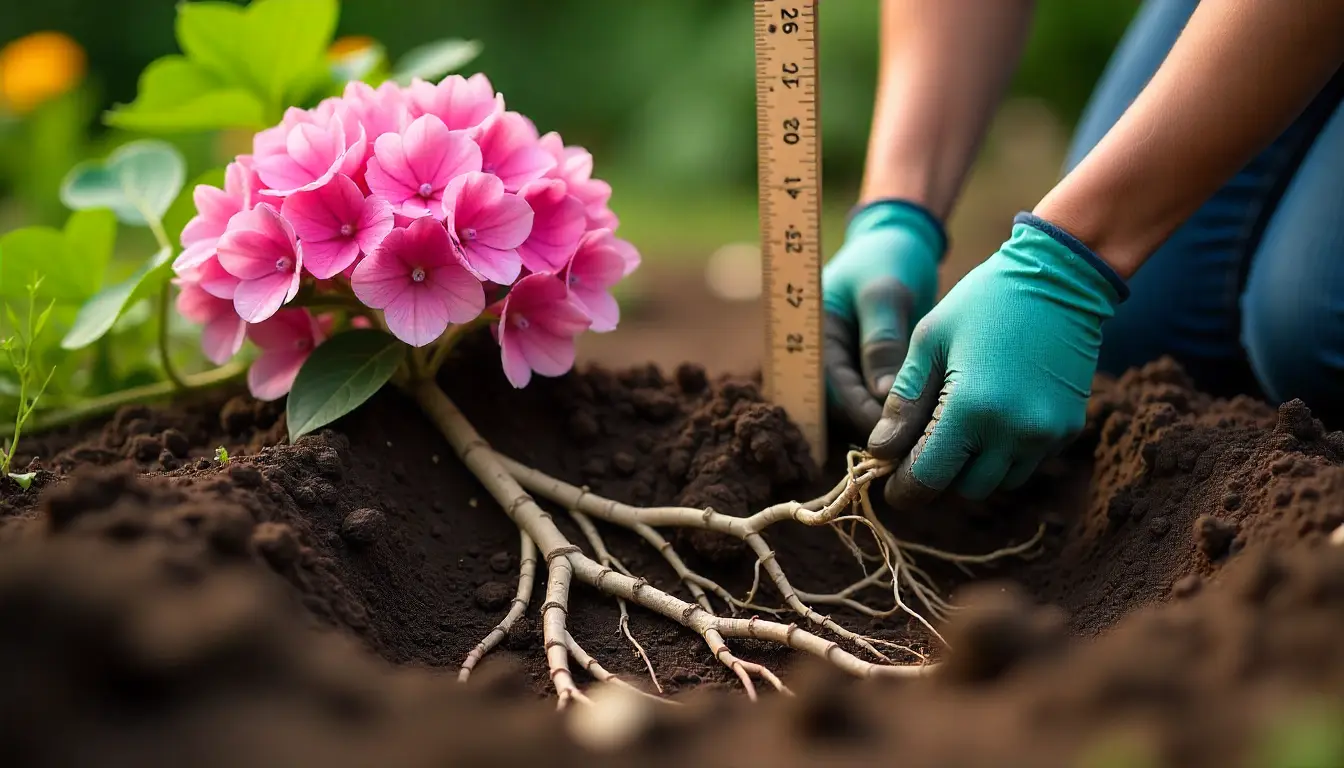
Hydrangeas are perennial plants, meaning they live for over two years (minimum). They have underground stems called rhizomes. The rhizomes store food and energy. Also, they allow the hydrangea to survive the winter and re-emerge in the spring. Let’s hear about them in detail:
- Strong Root Systems: I saw that hydrangeas have extensive root systems that help them travel deep and absorb nutrients. Because of this strong foundation, the shrub maturity rate allows them to fill out your garden landscape surprisingly quickly. As a result, they survive harsh conditions like drought and cold weather.
- Environmental Adaptation: Do you know that hydrangeas are native to Asia and the Americas? They have evolved to be well-suited to tolerate various temperatures, from hot and dry to cool and moist.
- Productive Regeneration: Hydrangeas can regenerate new growth from their roots, even from damaged stems. Their specialized meristem cells can divide and produce new plant tissues.
Which Hydrangeas Bloom Reliably Every Year?
Understanding which hydrangeas return and bloom each season consistently can save you from disappointment. While all common garden hydrangeas are perennial plants that survive winter, not all varieties guarantee flowers every year. The secret lies in knowing when each type produces its flower buds.
Why Some Hydrangeas Bloom Reliably While Others Don’t
The difference between consistent blooms and bare stems comes down to blooming habit. Hydrangeas fall into three categories based on how they develop flowers: old wood bloomers, new wood bloomers, and reblooming varieties.
Hydrangea Bloom Reliability Comparison Table
| Blooming Type | Hydrangea Varieties | Bud Formation Timing | Pruning Guidelines | Annual Bloom Reliability |
|---|---|---|---|---|
| Old Wood | Bigleaf (macrophylla), Oakleaf (quercifolia), Climbing | Late summer/fall of the previous year | Never prune after August; only trim immediately after flowering | Lower reliability – Buds are vulnerable to winter damage and improper pruning |
| New Wood | Panicle (paniculata), Smooth (arborescens) | Spring on the current season’s fresh stems | Prune hard in late winter/early spring to encourage growth | Highest reliability – Cold-hardy and pruning-tolerant |
| Reblooming | Modern Bigleaf varieties (Endless Summer, Let’s Dance) | Both old stems AND new spring growth | Minimal pruning required; light maintenance only | Most reliable – Double bloom insurance for unpredictable climates |
This comparison table shows exactly why some hydrangeas bloom consistently while others fail to flower after harsh winters or incorrect pruning.
Old Wood Bloomers: Higher Risk, Stunning Rewards
These hydrangeas develop their flower buds during late summer and fall of the previous growing season. The buds remain dormant through winter, waiting to open in spring and summer.
Why they sometimes fail: Cold winter temperatures can kill these dormant buds. Late-season pruning also removes the buds before they have a chance to bloom.
Pruning requirements: Never prune after August. Only trim immediately after flowering ends to avoid cutting off next year’s blooms.
Varieties in this category:
- Bigleaf hydrangeas (Hydrangea macrophylla)
- Oakleaf hydrangeas (Hydrangea quercifolia)
- Climbing hydrangeas (Hydrangea anomala)
New Wood Bloomers: Maximum Reliability
These varieties form flower buds on fresh stems that grow in spring. This means they bloom on current-season growth, making them virtually foolproof.
Why they’re reliable: Since buds form in spring, winter cold cannot damage them. Heavy pruning in late winter actually encourages more vigorous growth and abundant flowers.
Pruning requirements: Cut back hard in late winter or early spring before new growth emerges. This promotes stronger stems and larger flower clusters.
Varieties in this category:
- Panicle hydrangeas (Hydrangea paniculata)
- Smooth hydrangeas (Hydrangea arborescens)
Reblooming Hydrangeas: Best of Both Worlds
Modern breeding has created hydrangeas that produce flowers on both old wood and new wood during the same season. This dual-blooming habit provides insurance against bloom failure.
Why they’re most reliable: If winter kills the old wood buds, the plant still produces flowers on new spring growth. You get extended blooming from early summer through fall.
Pruning requirements: Minimal pruning needed. Light deadheading and shape maintenance only.
Popular varieties: Endless Summer series, Let’s Dance collection, and other remontant cultivars.
Learn About: Will A Dead Hydrangea Come Back
Detailed Look at Each Hydrangea Type
Panicle Hydrangea (Hydrangea paniculata)
Panicle hydrangeas are the toughest and most dependable variety for guaranteed annual blooms. They produce cone-shaped or pyramidal flower clusters that often start white and age to pink.
Growth characteristics: Can reach 15 feet tall, extremely cold hardy (survives Zone 3), thrives in full sun to partial shade.
Bloom reliability: Excellent. Forms buds on new wood, so winter damage and spring pruning won’t affect flowering.
Best for: Gardeners wanting foolproof blooms, cold climate gardens, creating large flowering hedges, or specimen plants.
Smooth Hydrangea (Hydrangea arborescens)
Smooth hydrangeas produce large, rounded white flower clusters often called snowballs. They’re native to North America and exceptionally cold-tolerant.
Growth characteristics: Typically 3-5 feet tall, spreads readily, prefers partial shade, and handles cold climates excellently.
Bloom reliability: Excellent. Blooms on new wood mean consistent flowers every year, regardless of winter severity or pruning.
Best for: Shady gardens, cold climates, naturalizing in woodland settings, and low-maintenance landscapes.
Oakleaf Hydrangea (Hydrangea quercifolia)
Oakleaf hydrangeas offer four-season interest with cone-shaped flowers in summer, oak-like foliage that turns burgundy in fall, and attractive peeling bark in winter.
Growth characteristics: Grows 6-8 feet tall and wide, prefers partial shade, tolerates more sun than other hydrangeas, native to the southeastern United States.
Bloom reliability: Moderate to good. Blooms on old wood but is generally hardy. Prune only immediately after flowering finishes, never after August.
Best for: Multi-season interest, native plant gardens, shade to part-sun locations, southern gardens.
Bigleaf Hydrangea (Hydrangea macrophylla)
Bigleaf hydrangeas are the classic hydrangea most people envision, with huge mophead or delicate lacecap flower clusters. Flower color changes based on soil pH.
Growth characteristics: 4-5 feet tall, performs best in Zones 5-9, needs consistent moisture, prefers morning sun and afternoon shade.
Bloom reliability: Lower in cold climates. Traditional varieties bloom on old wood and frequently suffer winter bud damage in Zone 5 and colder. Choose reblooming cultivars for reliable flowering.
Best for: Warmer climates (Zone 6 and up), gardeners wanting color variety, those willing to provide winter protection, and anyone who selects reblooming varieties.
Climbing Hydrangea (Hydrangea anomala)
Climbing hydrangeas are vigorous vines that cling to walls, fences, and trees using aerial rootlets. They produce flat, lacy white flower clusters.
Growth characteristics: Can climb 30-60 feet, slow to establish but vigorous once mature, tolerates shade better than most hydrangeas.
Bloom reliability: Moderate. Blooms on old wood, so avoid pruning except for essential size control. Once established, it generally blooms consistently.
Best for: Vertical gardening, covering walls or structures, shade gardens, and adding height without ground space.
Solving the “My Hydrangea Didn’t Bloom” Problem
When gardeners say their hydrangea “didn’t come back,” the plant usually survived—the stems are alive and growing leaves. What failed was the flowering. This happens when:
The winter cold killed the flower buds on old wood varieties. The plant is healthy, but the dormant buds froze.
Late pruning removed the buds before they could develop. Cutting stems in fall, winter, or early spring eliminates the flower buds hiding inside.
The wrong variety was chosen for your climate. Bigleaf hydrangeas struggle in Zone 5 and colder without the reblooming trait.
Quick Reference: Choosing the Right Hydrangea
For guaranteed blooms every year: Choose panicle or smooth hydrangeas that bloom on new wood.
For cold climates (Zone 5 and below): Select panicle hydrangeas or reblooming bigleaf varieties.
For maximum flower production: Pick reblooming bigleaf cultivars like Endless Summer that bloom on both old and new wood.
For lowest maintenance: Plant new wood bloomers that tolerate hard pruning without sacrificing flowers.
For warm climates (Zone 7 and up): Any variety will perform well, including traditional bigleaf hydrangeas.
Essential Pruning Rules by Type
Old wood bloomers: Prune immediately after flowering ends in summer. Never prune after August 1st.
New wood bloomers: Prune hard in late winter (February-March) before buds break. Cut back to 12-18 inches if desired.
Reblooming varieties: Minimal pruning needed. Remove dead stems in early spring and deadhead spent flowers throughout the season.
Following these guidelines ensures your hydrangeas return each year reliably with abundant, beautiful blooms.
The No-Bloom Checklist
| Issue | Description & Solution |
| Pruning at the Wrong Time | The #1 reason for a lack of blooms on old wood varieties. Pruning in the fall or early spring removes the invisible buds set the previous year. Solution: Prune old-wood types immediately after flowering. Prune new-wood types in late winter. |
| Too Much Nitrogen | If your hydrangea is near a lawn that receives high-nitrogen fertilizer, the plant will prioritize lush, green leaf growth (foliage) over flower production. Solution: Use a low-nitrogen fertilizer (e.g., 10-20-20) in the spring, or rely on compost/organic matter. |
| Winter Kill (Bud Loss) | If temperatures dip below the plant’s hardiness zone (e.g., a Zone 6 Bigleaf in Zone 5), the wood may survive, but the latent flower buds are killed by the extreme cold. Solution: Provide heavy winter protection for old-wood varieties (see Overwintering Techniques below). |
| Not Enough Sun | Hydrangeas need some sunlight (usually 4–6 hours of morning sun is ideal) to produce the energy required for flowering. Deep shade will result in spindly growth and few, if any, blooms. Solution: If possible, transplant to an area with morning sun and afternoon shade. |
What Factors Affect Hydrangea Survival for Years?
Usually, a hydrangea’s lifespan depends on special factors like climate, soil, water, pruning, and fertilization. If you are addicted to hydrangea like me, I suggest you check some factors for a longer lifespan. Let me explain to you why the checking matters!
Climate
I wouldn’t say hydrangeas are fragile in a wide range of climates, but they may not survive in areas with extremely cold environments. So, you must ensure your home is dry and warm for their survival.
If you live in prime winter areas, ensure the hydrangeas are always hydrated. Do not forget that dry hydrangeas have weak roots. The roots will lose strength after drying before the winter season.
If you reside in a region where the temperature never dips below 0 degrees Fahrenheit, your hydrangeas will likely thrive without additional winter protection.
Dormancy
For a woody perennial like a hydrangea to “come back year after year,” it must go through a period of rest known as dormancy. This biological requirement is a critical factor, especially in warmer climates.
Dormancy is triggered by shorter days and cooler temperatures in the fall. During this time, the plant sheds its leaves, halts growth, and conserves energy in its roots. Most importantly, it requires a specific number of chill hours (time spent below 45°F/7°C) to properly initiate and develop the flower buds for the following season.
The Zone 10 & 11 Exception:
If you live in an extremely mild climate, such as USDA Hardiness Zones 10 or 11, the plant may survive, but it may not receive enough consistent cold to complete dormancy. In this scenario, the plant may return as a healthy green shrub, but it will often fail to produce flowers. This is why location-appropriate planting, as you noted, is essential not just for survival, but for reliable blooming.
Soil
Hydrangeas prefer acidic soil. If your soil is alkaline, you can amend it with sulfur or aluminum sulfate to lower the pH. Moreover, you must feed your hydrangea what it needs!
For that, mix organic material with the soil. Sitting in water will also kill the hydrangeas, so ensure the waters are draining regularly. I believe mixing some compost will solve your problem for the winter.
Planting Location
I have seen that hydrangeas prefer partial shade to full sun. Yes, some varieties tolerate more shade than others. So, choosing an appropriate planting location ensures your hydrangea receives the optimal sunlight for healthy growth.
Watering
From my observation, you must water the hydrangeas regularly. There is no fixed time for watering. But water the plants, especially during hot, dry weather. No water means no possibility of life support for hydrangeas!
Colors
The pH balance of the soil can influence the color of your hydrangeas. To achieve blue flowers, cultivate moist soil with a pH between 5.2 and 5.5. For pink blooms, opt for alkaline soil with a pH of around 6.0.
These pH levels may produce purple flowers or a combination of pink, purple, and blue blooms. Endless summer hydrangeas in these colors are known for their impressive and long-lasting flowers.
How Do You Increase Survival to Bring Hydrangea Year after Year?
I already told you that hydrangeas don’t like cold and dry weather. So you need to take some steps to help them survive winter and bloom again next year.
Mulching Around the Base
Put wood chips or other natural material around your hydrangeas. This keeps the roots warm and protected from freezing.
Protecting Your Hydrangeas in Winter
This is the most important part if you want your hydrangeas to come back every year with flowers.
For Plants in the Ground:
In cold areas (Zones 5 and 6), the buds on your hydrangeas can freeze and die. Here’s how to protect them:
- Wait until after the first hard frost when the plant goes dormant
- Put four stakes around the plant
- Wrap burlap or chicken wire around the stakes to make a cage
- Fill the cage with straw, pine needles, or dry leaves
- Remove everything in the spring after the last frost
For Potted Hydrangeas:
Pots get much colder than the ground soil, so you need extra care:
- Best option: Move the pot to an unheated garage or shed once leaves fall off
- Second option: Bury the whole pot in your garden until spring
- If the pot is too heavy: Wrap the container with bubble wrap or burlap
Check Your Soil
If your soil is too alkaline, add sulfur or aluminum sulfate to fix it. Good soil helps hydrangeas come back healthy.
Water More Often
If the soil is dry, water more. Always water during hot weather. Never let your hydrangeas dry out completely.
Give Them Shade
If your plant gets too much sun, move it to a shadier spot. Too much sun can stress the plant.
Prune at the Right Time
Cut off dead or damaged branches in late winter or early spring. Don’t prune at the wrong time, or you’ll cut off next year’s flowers.
Feed Them in Spring
Use a balanced fertilizer in spring. Try to use natural options instead of harsh chemicals.
Learn About:
Do Hydrangeas Like Wet Soil
Can Hydrangeas Grow in Clay Soil
How to Pot and Repot Hydrangea for Continuous Growth?
I potted and repotted hydrangeas to maintain their health and continuous growth. Let me share with you the process of how to pot and repot hydrangeas effectively.
Potting a Hydrangea
- Choose the Right Pot: Select a pot at least 2-3 inches larger than the hydrangea’s current pot. Terracotta pots are ideal for breathability, but plastic or ceramic pots are also suitable.
- Prepare the Potting Mix: Use a well-draining mix formulated for acidic plants like hydrangeas. Adding organic matter like compost or peat moss can develop soil quality.
- Gently Remove the Hydrangea: Carefully remove the hydrangea from its current pot. Gently loosen the roots and tap the sides of the pot. If the roots are tightly bound, use a knife to loosen them slightly.
- Position the Hydrangea in the New Pot: Place the hydrangea in the center of the new pot. Also, ensure the root ball’s top sits slightly below the pot’s rim.
- Fill and Firm the Soil: Fill the pot with the prepared potting mix, gently tamping it down to remove air pockets. Leave about an inch of space between the top of the soil and the rim for watering.
- Water Thoroughly: Water the potted hydrangea generously until water runs out of the drainage holes. This guarantees the soil is thoroughly moistened.
Repotting a Hydrangea
- Identify Signs of Repotting Needs: Repotting is typically necessary every 2-3 years when the hydrangea outgrows its current pot. At this stage, instead of just moving it, you might consider dividing overgrown perennials to create entirely new plants for your yard.
- Choose the Right Time: Repot hydrangeas in the spring or early fall when they grow actively. Avoid repotting during the hot summer when they are stressed.
- Prepare the New Pot: Follow the same steps as potting a hydrangea when selecting and preparing the new pot.
- Loosen the Root Ball: Gently loosen the hydrangea’s roots by hand or with a knife, especially if tightly bound. This encourages new root growth and prevents circling roots.
- Position and Fill the Pot: Place the loosened hydrangea in the new pot. Fill the pot with potting mix and firm it down as described in potting a hydrangea.
- Water Thoroughly: Water the repotted hydrangea generously until water runs out of the drainage holes. After that, the soil helps the hydrangea adjust to its new environment.
Conclusion
I hope that will answer your question and help you decorate your home with colorful hydrangeas. Hydrangeas are beautiful and rewarding flowering shrubs that can enrich a garden year after year.
If you are a garden lover, do not hesitate to follow the instructions to pot and repot hydrangeas accurately.
FAQs
What Is the Lifespan of A Hydrangea?
Hydrangeas can live up to 50 years with proper care, including morning sun, afternoon shade, regular watering, and fall pruning.
What Is the Best Way to Keep Hydrangeas Alive?
Immediately place cut hydrangeas in lukewarm water with flower food to prolong their life.
How Do You Revive a Dead Hydrangea?
Make a vertical slit in the stem, submerge it in boiling water for 60 seconds, then return it to its original arrangement. It should revive within an hour.
How Do You Make Hydrangeas Blue?
Mix ¼ ounce of aluminum sulfate with one gallon of water and apply it to the soil in the spring to acidify and promote blue blooms.
Is Baking Soda Good for Hydrangeas?
No. Baking soda lacks essential nutrients and can harm hydrangea roots. Avoid using it as fertilizer.