How to Dry Hydrangeas: A Pro’s Guide to Preserving Vivid Color and Shape

Most people cut their hydrangeas too early and wonder why the blooms shrivel up or turn brown. The truth is, timing matters more than the method you use. Once you know when to cut hydrangeas for drying and how to prep your stems properly, the process becomes much easier.
This guide shows you how to dry hydrangeas step by step, from choosing the right time to cut to making your dried flowers last for years.
The Golden Rule of Timing
Why “Fresh” Blooms Are Your Biggest Mistake
Fresh hydrangeas contain too much moisture. When you cut hydrangeas at their peak bloom, those petals are still full of water. As they dry, they shrink dramatically and often turn muddy brown instead of keeping their color.
The best time to cut hydrangeas is later than you think; you want blooms that have fully matured on the plant, a timing strategy supported by the Oregon State University Extension Service for successful preservation. This means waiting until late summer or early fall for most varieties.
The Parchment Test: How the Petals Should Feel Before Cutting
Here’s a simple test to know if your hydrangeas are ready to cut. Touch the petals. They should feel slightly papery, almost like parchment paper. If they still feel soft and supple like fresh flower petals, wait another week or two.
The texture tells you the moisture content has dropped. When petals feel firm and dry to the touch, they’re in the perfect stage for drying hydrangeas successfully.
Understanding the “Antique” Color Phase for Peak Preservation
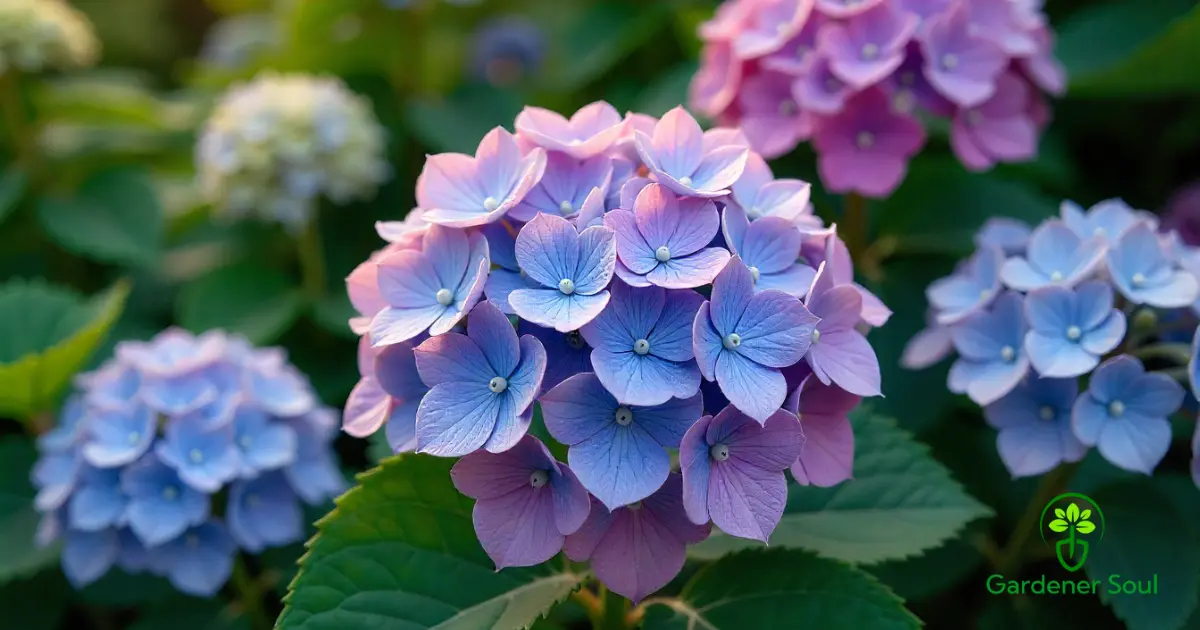
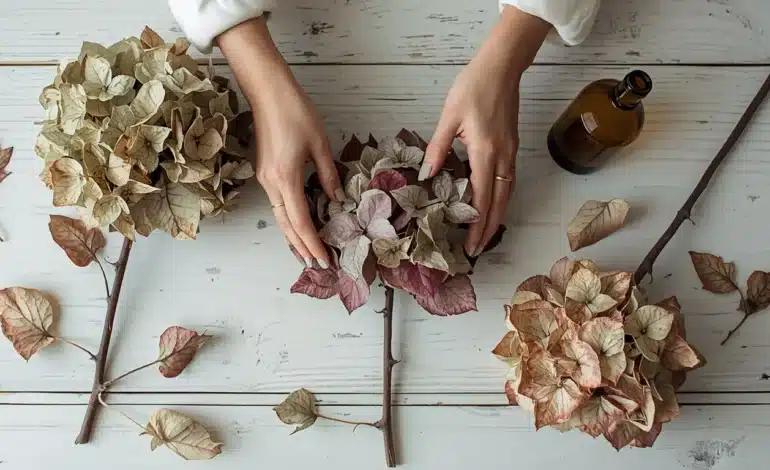
As hydrangeas age on the plant, they enter what gardeners call the antique phase. The colors shift and deepen. Blue hydrangeas might develop purple tones. Pink ones turn mauve or even greenish.
This is exactly when you want to cut them. The antique phase means the blooms have naturally started drying on the plant. Cut hydrangeas during this stage and you’ll preserve those rich, complex colors instead of ending up with brown or faded flowers.
Preparation: The Secret “Stem Crushing” Technique
The 45-Degree Angle Cut for Plant Health
When you’re ready to cut hydrangeas, use clean, sharp pruning shears. Make your cut at a 45-degree angle about a quarter inch above a leaf node or bud.
This angled cut does two things. First, it helps the plant heal faster and encourages new growth, much like when you learn how to prune hydrangeas correctly for the health of the shrub. Second, it increases the surface area of the stem, which matters for water absorption if you’re using the water-evaporation method.
Why You Must Strip Every Leaf Immediately
As soon as you cut your hydrangea stems, remove all the leaves. Every single one. Leaves pull moisture away from the flower heads and will cause your blooms to wilt faster; if you noticed issues earlier in the season, you may want to investigate why are my hydrangea leaves turning yellow to ensure a healthy harvest next time.
Strip leaves by hand or use your pruning shears. Work quickly so the stems don’t sit around with foliage attached. This step makes a real difference in how well your hydrangeas dry.
Using a Mallet or Pliers to Prep Stems for Water-Drying
For the water-evaporation drying method, you need to crush the bottom inch of each stem. This sounds rough, but it works.
Take a hammer, mallet, or even pliers and gently smash the cut end of the stem. You want to break up the woody fibers without completely destroying the stem. This crushing lets the stem absorb water more efficiently at first, then release it slowly as the water evaporates. The result is better color retention and shape, a quality that starts with the right nutrients, such as using homemade fertilizers for hydrangeas during the growing season.
Choosing the Best Drying Method for Your Variety
The Water-Evaporation Method: Best for Mopheads and Beginners
This is the easiest way to dry hydrangeas, especially for mophead varieties (the big, round blooms).
Put 2 to 3 inches of water in a vase. Place your prepared hydrangea stems in the water. Set the vase in a cool, dry spot away from direct sunlight. Then just leave them alone.
Over the next two to three weeks, the water will gradually evaporate. The flowers will dry slowly while standing upright. This method preserves the natural shape better than almost any other technique. The blooms dry from the outside in, which helps maintain their structure and color.
Classic Air-Drying: Why “Upside Down” Matters for Stem Strength
Air-drying works well for all hydrangea varieties, but it takes some attention to setup.
Tie stems together in small bundles of three to five stems. Use twine or rubber bands. Hang these bundles upside down in a dark, dry, well-ventilated space like a closet, attic, or spare room.
Hanging hydrangeas upside down keeps the stems straight as they dry. If you dry them right-side up without water, the heavy blooms will droop, and the stems will develop permanent curves. Upside-down drying takes about two to three weeks. You’ll know they’re done when the stems feel completely rigid, and the petals are crisp.
Silica Gel: The Professional Secret for Mid-Summer Color Vibrancy
If you need to cut hydrangeas earlier in the season, before they reach the antique phase, silica gel is your answer. This method preserves the bright, vivid colors of mid-summer blooms better than air-drying.
You’ll need a container large enough to hold your blooms and several cups of silica gel (available at craft stores). Pour a layer of gel into the bottom. Place your hydrangea blooms face-up on the gel. Carefully pour more gel around and over the flowers until they’re completely covered.
Seal the container and wait about five to seven days. The silica gel pulls moisture out of the petals quickly while locking in color. When you remove the flowers, gently brush off excess gel with a soft paintbrush.
This method works beautifully but costs more and requires special materials. Save it for special blooms you want to keep especially vibrant.
The Glycerin Bath: How to Keep Petals Soft and Supple
Most dried hydrangeas become brittle and crisp. The glycerin method keeps petals more flexible and soft to the touch.
Mix one part glycerin with two parts warm water. Cut fresh hydrangea stems and immediately place them in this solution. The stems will absorb the glycerin mixture over about two to three weeks.
As the water evaporates, the glycerin stays in the plant tissue, replacing the natural moisture. The result is dried hydrangeas that feel more pliable and less fragile. The colors tend to shift toward brown and tan tones with this method, giving an aged, vintage look.
You can find glycerin at pharmacies or online. This technique works particularly well if you plan to use dried hydrangeas in arrangements that will be handled frequently.
Post-Drying Care: How to Make Them Last Years
Using Hairspray or Floral Sealant to Prevent Shedding
Once your hydrangeas are completely dry, give them a light protective coating. Regular hairspray works fine. Hold the can about 12 inches away and give each bloom a light, even mist.
The spray creates a thin barrier that helps petals stay attached and protects against humidity. Don’t overdo it. You want a light coating, not a sticky, heavy layer. Floral sealant sprays work the same way but are formulated specifically for dried flowers.
Let the spray dry completely before displaying your hydrangeas or storing them.
The “Cool Setting” Hair Dryer Hack for Dust Removal
Dried hydrangeas collect dust over time. Don’t try to wipe them with a cloth because the petals are fragile and will break off.
Instead, use a hair dryer on the cool setting. Hold it several inches from the blooms and use short bursts of air to blow dust away. The cool air won’t damage the petals, and this method is gentle enough to use regularly.
Do this every few months to keep your dried hydrangeas looking fresh.
Avoiding the “Silent Enemies”: Humidity and UV Light
Two things will ruin dried hydrangeas faster than anything else: moisture and sunlight.
Keep your dried flowers away from humid areas like bathrooms or kitchens. Humidity causes dried petals to absorb moisture from the air, which leads to mold, wilting, and brown spots.
Direct sunlight fades colors quickly. Even the best-dried hydrangeas will bleach out if you display them in a sunny window. Choose spots with indirect light or areas that don’t get sun exposure.
If you live in a humid climate, consider adding silica gel packets near your displays to absorb excess moisture from the air.
Troubleshooting and Creative Displays
Why Your Flowers Turned Brown (and How to Avoid It Next Time)
Brown dried hydrangeas usually mean one of three things happened.
First, you might have cut them too early when they were still too fresh and full of moisture. Remember the parchment test and wait for the antique phase.
Second, they may have dried too quickly in high heat or direct sun. Slow drying in cool, dim conditions preserves color better.
Third, your hydrangeas might have gotten wet after drying. Even a small amount of moisture will turn dried petals brown. Once they’re dry, keep them completely dry.
If your hydrangeas turned brown this time, try cutting later in the season next year and using the water-evaporation method in a cool room.
Modern Decor: From Shadow Boxes to Seasonal Wreaths
Dried hydrangeas work beautifully in home decor beyond the traditional vase.
Create shadow box displays by arranging individual blooms in deep frames. This protects them from dust and makes a statement on any wall.
Use dried hydrangea blooms in wreaths. Wire them onto grapevine or foam wreath bases for front door decorations that last all season. Mix colors and varieties for visual interest.
Fill glass cloches or apothecary jars with dried hydrangea heads for tabletop displays. The glass protects the flowers while showing them off.
Make garlands by stringing dried blooms together for mantels or stair railings. Combine hydrangeas with other dried elements like eucalyptus or baby’s breath.
Pressed hydrangea petals also work in resin crafts, bookmarks, or framed botanical art. The possibilities go beyond simple vase arrangements.
Frequently Asked Questions
When is the best time to cut hydrangeas for drying?
The best time to cut hydrangeas for drying is late summer or early fall when the blooms have entered the antique phase. The petals should feel papery and slightly dry, not soft and fresh. This usually happens in August through September for most varieties; once you’ve finished your late-season harvest, it’s time to prepare and learn how to protect hydrangeas from frost for the coming winter. Blooms cut at this stage retain better color and dry more successfully.
Why did my dried hydrangeas turn brown?
Dried hydrangeas turn brown for several reasons. Cutting blooms too early when they’re still fresh and full of moisture is the most common cause. Exposure to humidity after drying, rapid drying in direct heat or sunlight, or contact with water can also cause browning. To prevent this, wait until blooms reach the antique phase, dry them slowly in cool, dim conditions, and keep them away from moisture.
Can you dry hydrangeas that are already in a vase?
Yes, you can dry hydrangeas that are already in a vase using the water-evaporation method. If your cut hydrangeas are in water, simply leave them in the vase and let the water evaporate naturally over two to three weeks. Don’t add more water. The flowers will dry gradually while standing upright. This works best if the blooms are cut at the right stage of maturity.
How do you keep dried hydrangeas from falling apart?
Keep dried hydrangeas from falling apart by spraying them lightly with hairspray or floral sealant once they’re completely dry. This creates a protective coating that holds petals in place. Also avoid placing them in humid areas, keep them out of direct sunlight, and handle them gently. Using the water-evaporation method instead of quick-drying techniques also results in sturdier dried flowers.
Can you dry hydrangeas in the microwave or oven?
You should not dry hydrangeas in a microwave or conventional oven. The high heat will turn the blooms brown and make them brittle. These methods dry flowers too quickly and destroy the natural colors. Stick with air-drying, water-evaporation, silica gel, or glycerin methods. These slower techniques preserve color and shape much better than any heat-based drying.
How long do dried hydrangeas actually last?
Dried hydrangeas can last for several years with proper care. Many people keep dried hydrangeas for two to five years before they become too faded or brittle. The lifespan depends on storage conditions. Keep them away from humidity, direct sunlight, and handling to maximize their life. Protected displays like shadow boxes or glass domes help dried hydrangeas last even longer.