
When and How to Prune Limelight Hydrangeas?

One of my favorite shrubs is the Limelight Hydrangea. They need a little bit of maintenance, but offer floral vitality. Also, their lovely lime-green flowers definitely add brightness to the garden.
However, proper pruning is essential if you want them to flourish year after year. After many years of working with them, I have picked up a few tips and tricks. In this guide, I’ll share my experiences about exactly when and how to prune Limelight Hydrangeas.
Let’s start with the basics.
What are Limelight Hydrangeas?
Hydrangea Paniculata ‘Limelight’, or Limelight Hydrangeas, is a variety of Panicle Hydrangea. This shrub is particularly prized for its large, impressive cone-shaped clusters of flowers, which are greenish-white at the start. However, they become creamy white during summer, and in fall, they change to pink. At the very end of their life, they eventually turn brownish beige. It is a hardy shrub that can be grown in USDA zones 3 through 9, making it ideal for both northern and southern gardens. When planting Limelight Hydrangea, it’s important to choose a location with well-drained soil and adequate sunlight to ensure healthy growth and vibrant blooms.
They have a vigorous growth rate, potentially reaching 6 to 8 feet in both height and width. Furthermore, their strong stems do not droop like the bigleaf hydrangea macrophylla, which often requires staking for its heavy, rounded blooms
Here are some important attributes of Limelight Hydrangeas:
- Common name: Limelight Hydrangeas
- Mature size: 6-8 ft. tall and wide
- Sun requirement: Full sun to part shade
- Bloom time: Mid to late summer through fall
- Hardiness: USDA Zones 3-8
Source: Missouri Botanical Garden
Why Pruning Limelight Hydrangeas Is Important?
Apart from shaping, pruning Hydrangeas brings additional advantages. It helps in keeping the plant healthy, promotes good air circulation, as well as better and bigger blooms. I assure you, Hydrangeas will reward you with a spectacular show after a thorough pruning session.
Trust me, these are good reasons to prune, especially if you would like to:
- Help create new growth: Expect more flowers with pruning, as new wood blooms with Limelight.
- Encourage the control of shape and size: If left unchecked, these shrubs tend to grow larger.
- Prune dead or damaged stems: Enhances the prevention of disease while strengthening plant stems.
- Improve overall bloom quality: Plants that have their stems pruned are generally more vigorous.
Best Time to Prune Limelight Hydrangeas
As I always say to my fellow gardeners, timing is key. Luckily, Limelight Hydrangea sets blooms on new wood, which is a key concept in understanding old wood vs. new wood hydrangeas, as it allows the flowers to form on growth from the current season. Therefore, ensuring you prune at the precise moment is vital.
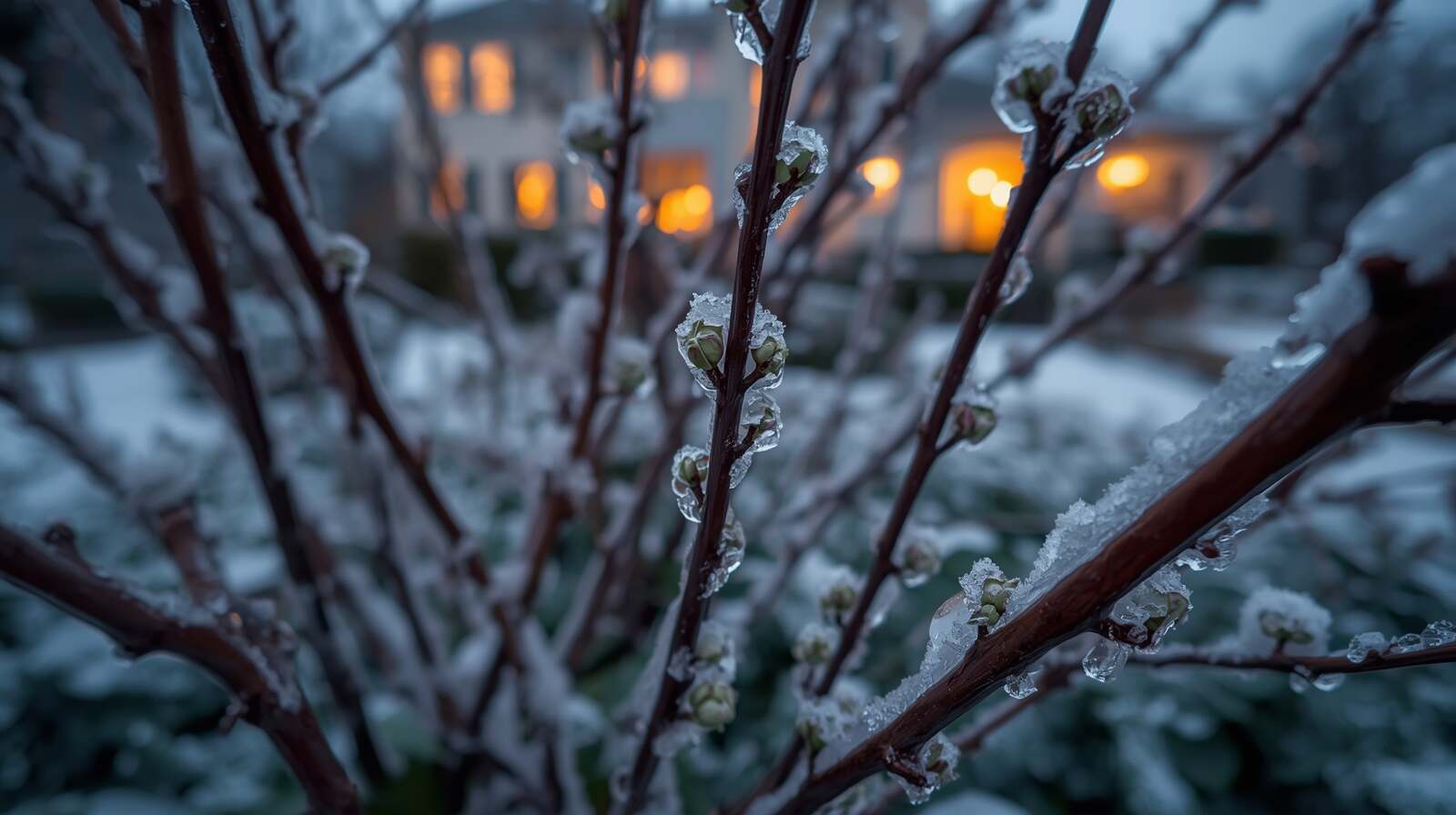
The best time to prune is Late winter to early spring (generally February to March, depending on where you’re located)
At this time, the plant will still be dormant and offer a clear view of its structure without the foliage. However, make sure to avoid pruning in late summer or fall. You will prune away the wood that would have bloomed the next season.
Fun fact: According to the University of Minnesota Extension, panicle hydrangeas should be pruned in late winter to early spring to encourage flowering.
Tools You Need for Pruning
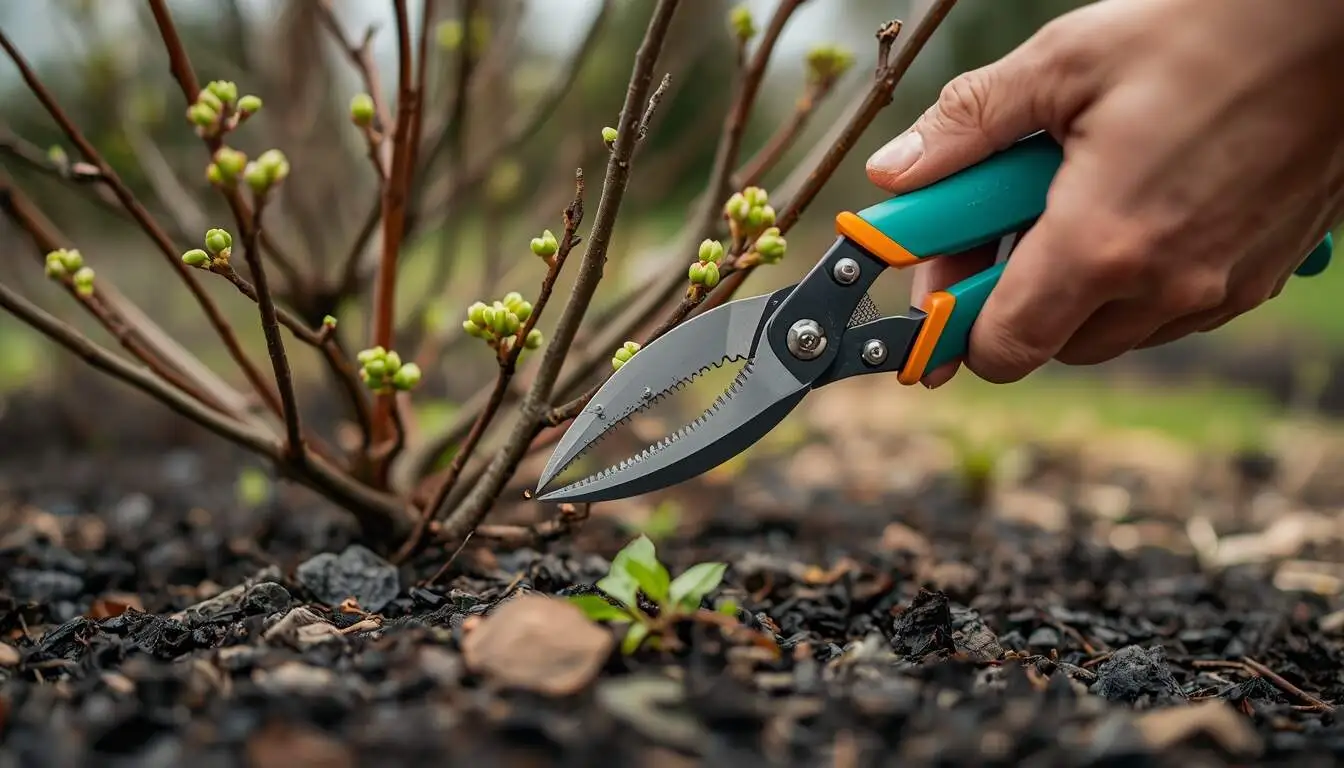
You don’t need any fancy tools to get the job done. Just get the following tools and make sure they are in the right conditions. Remember, clean cuts allow the plant to heal faster and prevent potential diseases.
Basic Pruning Tools
Here is a list of basic pruning tools that will make the process easier and effortless:
- For small stamps that are up to ¾ inches thick, you need Bypass Pruners.
- For thicker branches around 1-2 inches, Loppers are the best option.
- A Pruning Saw will be helpful in cutting down old and woody stems that are tough to handle.
- You need Gloves to protect your hands from cuts and sap.
- Do not forget to sterilize your tools with rubbing alcohol or bleach solution.
[Pro Tip: Make sure to disinfect your pruning tools every time before and after pruning. It will reduce the risk of spreading any plant-based diseases.]
How to Prune Limelight Hydrangeas? Step-by-Step Guide
On first glance, pruning might seem like an overwhelming task. But with a little guidance, maintaining the plant’s structure will make it much easier. Here is how I simplified it for you.
Observation is key in this task. Take a look at your shrub before any cutting is performed. Look for symmetry.
Here is a step-by-step guideline that will direct you in the right direction:
Step 1
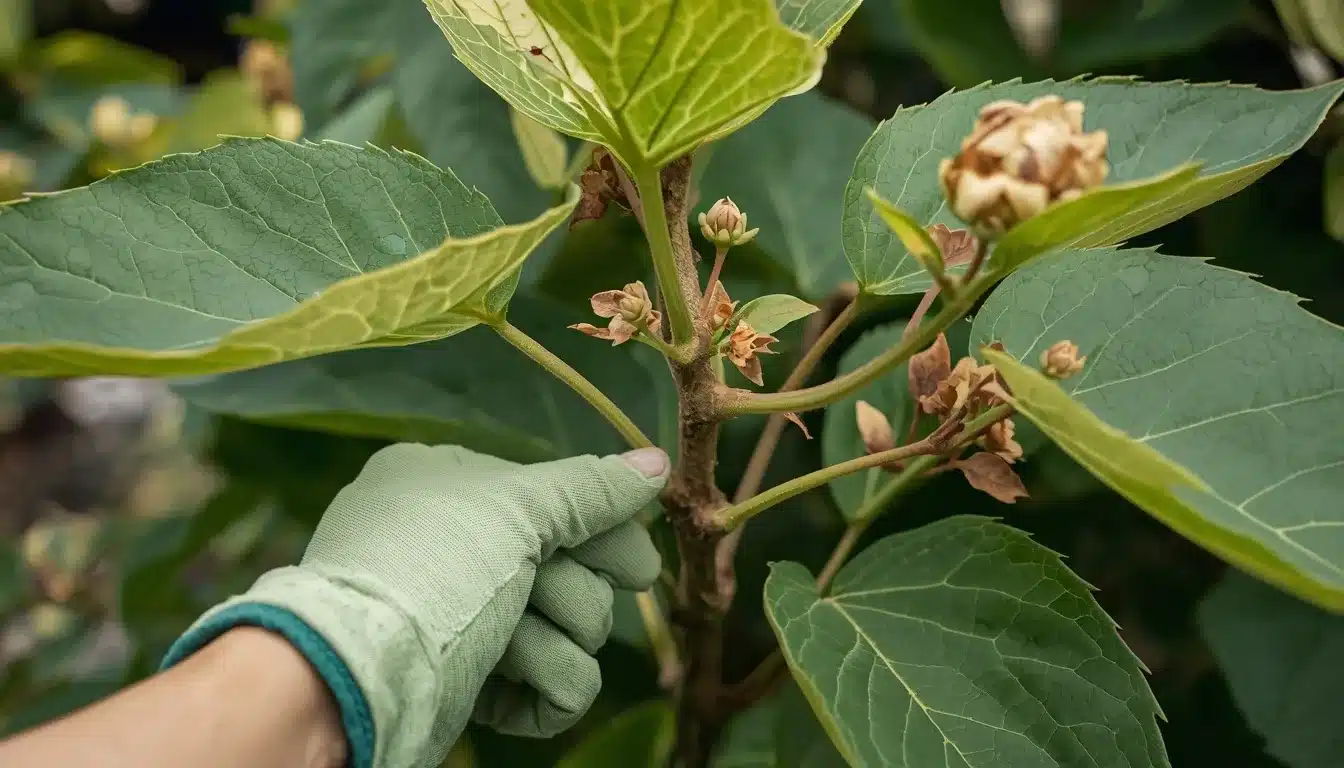
As is often the case, start by removing dead or damaged wood.
- Look for brittle, brown stems that show no signs of life and cut back to the stem.
- Make your cuts just above healthy buds or branching out points.
Step: 2
Get rid of crossing or crowded stems.
- Remove crowded branches that rub against one another to thin out the airflow.
- This aids in the prevention of mold and the fast spreading of disease.
Step: 3
Get rid of the branches from last year’s growth spread.
- Encourage fuller blooms by heading stems back to one-third their length, just over a strong bud.
- It will enhance the vigor of new growth and the fullness of blooms.
Step: 4
Now, it is time to give the shrub your desired design.
- Step back and have an overall look at the plant while shaping to align your pruning efforts with your goal.
- Don’t prune too much of the plant. Make sure to keep it in a balanced & round shape.
Step: 5
Now, it is time to clean up the mess. Get rid of any weak stems or debris from around the plant’s base.
[Pro Tip: Always cut 45 degrees with a bud facing outwards as the direction of growth angle. It will help direct the growth away from the center of the plant.]
Common Mistakes to Avoid While Pruning
Even professionals have overflowing hydrangea problems at times. I myself had a couple of these problems many years ago in my gardening journey. If you underestimate these common issues, you are in for a lot of trouble in the long run. Most of us trying our hands at pruning shrubs end up making these mistakes below:
1. Inappropriate Pruning Period
This one comes as a surprise, but the grievous blunder is pruning too late during the period. As a general thumb rule, Limelight types are pruned in winter, but if you have mophead varieties, you must follow hydrangea macrophylla pruning rules and cut only after their summer flowers fade. This shouldn’t cause too much of a problem since Limelight and Little Lime bloom on new wood.
Did you mistakenly prune too late?
- The risk of edging the next season’s flower buds peaks.
- Delay the growth cycle throughout the plant.
Best Practice: Prune in late winter or early spring, when the plant is still dormant but the harshest cold has passed. This gives your hydrangea a strong start.
2. Trimming Too Much in a Single Cut
For some, performing a drastic ‘haircut’ on their shrubs can be very tempting. However, over-trimming any plant is bad. It can cause the plants to bloom less, develop weaker stems, and even increase vulnerability to diseases.
What is the worst thing that can happen in over-pruning?
- The plant spends energy healing itself instead of implementing new processes, like growing new shoots.
- The possible outcome will be a lot of leafy shoots but very few flowers.
Best Practice: In a single season, do not prune more than one-third of the size of the plant. If necessary, divide the intensive shaping over 2-3 years.
3. Unattended Dead/Damaged Stems
Ignoring the removal of dead wood is quite common among some gardeners. Meanwhile, leaving old, weak, diseased, neck, or broken stems can severely weaken the plant and cause serious fungi issues.
What does dead wood do if it’s not removed?
- Old stem wood tricks healthy stems into crowded space, reducing blooming potential.
Best Practice: Always start by removing the brittle, brown, and cracked parts. As an additional step, scratch the skin and check if the underlying brown is dead.
4. Over-Pruning Maintenance and Shrub Management
To me, this is the most common mistake when it comes to pruning, and it is very important. The cuts should be made about one node away or further from the dormant eye cut when shooting.
- After an extensive cut, the tissue might die or might not sprout new healthy growth.
- The stem may fracture or become a breeding ground for illnesses.
Best Practice: Ensure a quarter-inch space over the eye and always cut at a 45 degree angle away from the eye so that the water flows off the wound instead of sitting on it.
5. Using Dull or Dirty Maintenance Tools
Whatever tools you may use for pruning, they must be sharp and clean. In case of a rusty cutting blade, it will most likely spread Hydrangea pests and infection. Remember, a clean cut with a safe and sharp tool is the best way to keep your plant healthy.
What other consequences are there for having such tools?
- Diseases Spread: Biggest risk, no question about it.
- Rough cuts made without precision will have a higher chance of rot and infestation.
Best Practice:
- The first step is to sharpen the blades when the cutting season starts.
- Change the winding strips of the cutting tools after dealing with each patient or between the individuals bearing plants.
- Wipe tools with rubbing alcohol before and after using them for pruning.
6. Over-Shaping, Forcing Geometric Form
Hydrangeas exhibit a naturally informal and somewhat bushy shape. Forcing them into geometric box shapes or hedges not only goes against their growth habits. It will most likely reduce blooming and plant growth.
What happens with over-shaping?
You distress the plant, reducing its appeal while removing productive stems for the sake of symmetry.
Best Practice: Center the focus on the light, spacious outline of the plant, and trim lightly while letting it keep its rounded shape.
7. Forgetting to Step Back and Assess
I used to prune with my head down, so focused on the cutting that I ended up making one side too short or removing an important branch. It is a must to step back and look at the entire shrub for a holistic view before making additional cuts.
What happens when you don’t assess?
The shrub unintentionally becomes uneven and splotchy.
Best Practice: After a few cuts, step back and check the overall shape and the height. You prune strategically as opposed to at random.
Quick Recap of Common Mistakes and Their Solutions
| Mistake | Solution |
| Pruning too late | Pruning in late winter or early spring |
| Over-pruning | Limit pruning to ⅓ of the plant |
| Leaving dead stems | Always get rid of dead or damaged wood |
| Cutting too close to the bud | Leave a ¼ inch above each bud |
| Using rusty and dirty tools | Clean sharp tools before and after using |
| Over-shaping | Keep the plant’s natural, open shape |
| Not stepping back | Look at the bigger picture every once in a while |
Avoiding these mistakes can make the difference between a plant that just survives and one that truly thrives.
Pruning Young vs Mature Limelight Hydrangeas
The pruning technique used varies according to the age of the shrub. Younger plants require soft contouring and extra winter protection; for example, while many wonder can Mathilda Gutges hydrangea be planted outside in cold zones, the Limelight is much more resilient even when young.
Young Hydrangeas (1-3 years old)
- Guided light pruning
- Elimination of stems that are weak or intersecting
- Concentration on future shaping
Mature Hydrangeas (4+ years)
- Pruning of up to one-third
- Removal of old, woody stems at the base
- Improvement of dense area circulation
Note: Every few years, mature plants also benefit from renewal pruning, which involves cutting some stems flush to the ground to stimulate new growth.
Aftercare and Maintenance Tips
After a seasonal trim, there is still some light work remaining. Performing a few basic aftercare steps can allow your Limelight to recover faster; if you have a mixed garden, you can also check our guide on bigleaf hydrangea care to compare their watering and soil needs.
This is my go-to guide for after pruning your plants in spring:
Basic Steps After Pruning
- Apply Mulch: In an attempt to prevent unwanted weeds from taking over, apply 2 to 3 inches of mulch. This will also help retain moisture.
- Fertilizing: Fertilize your Hydrangea using a balanced trim and add a slow-release fertilizer like 10-10-10 in early spring. Don’t use too much fertilizer, this will increase leaf growth while reducing flowers.
- Deep Watering: In dry locations or sandy soil, this is especially necessary. In areas with no rainfall, deeply water the plant once a week. Make sure the water reaches as deep as the roots go.
- Watch for Pests and Diseases: Unwanted guests like aphids or spider mites can put a damper on things. Regularly checking leaves will help catch anything too far gone before it’s too late.
- Support if Needed: If large blooms appear, gentle support may be required for the stem.
Final Thoughts
Although pruning Limelight Hydrangeas may take some time, I assure you the results are always worth the effort. When done properly, you’ll achieve larger blooming flowers, stronger plants, and an enhanced garden. This routine has become one of my cherished seasonal rituals.
With that said, get your pruners sharp, take a deep breath, and begin to shower them with the care they truly deserve.
FAQs
When is the absolute best time to prune Limelight hydrangeas?
The best time is late winter to early spring, just before new leaves start growing. This helps the plant grow strong and bloom better in summer.
What happens if I don’t prune my Limelight hydrangeas?
The plant will still bloom, but the flowers may be smaller. It can also look messy and grow unevenly over time.
Can I prune Limelight hydrangeas in the fall after they bloom?
No. Pruning in the fall can harm the plant. Wait until early spring when it’s still resting (dormant).