
When and Where to Plant Hydrangeas for Best Growth?

Hydrangeas are a beautiful plant that fills any space it is in with vibrant color. For anyone thinking about planting hydrangeas in your garden, we can guarantee you that it is worth the effort. However, to truly enjoy its beauty, proper planning of when and where to grow them is crucial.
From sunlight exposure and soil conditions to climate and watering needs, several elements play a huge role in their growing and flowering potential. Regardless, factors such as choosing the right location and planting them at the optimal time set the stage. Thus, in this guide, we will walk you through everything you need to know about when and where to plant hydrangeas for best growth.
Factors to Consider Before Planting Hydrangeas
There are several factors you need to take into consideration before planting your hydrangeas. Following these will not only ensure that your plants thrive but also grow beautiful flowers. Here is a detailed explanation of the key factors you should look at:
Sunlight Requirements
- The morning sun and afternoon shade are the most suitable sunlight conditions for hydrangeas.
- You have to ensure that your plant is away from direct sunlight. This is because it may cause your flowers and leaves to wilt.
- The amount of sunlight exposure that is ideal for hydrangeas is 4 to 6 hours of morning sun.
- It needs to be protected from the harsh sunlight in the late afternoon.
- One variety of hydrangea plants that can tolerate full sun is the panicle hydrangea. Varieties like oakleaf hydrangeas thrive best under the shade.
Soil Conditions
- The hydrangea plant is very sensitive to the soil it is growing in.
- It thrives best in well-draining and fertile soils that are dense in organic matter. Many gardeners find that utilizing natural soil enrichment methods during the preparation stage helps create the perfect nutrient-rich environment for young roots.
- A loamy soil which is mixed with around 10% organic compost will provide the best nutrients.
- Ensure that your soil has a good drainage system, as it may lead to root rot otherwise. On the other hand, dry and compact will stress the plant.
Climate and Hardiness Zones
- Hydrangeas have varying levels of cold and heat tolerance, so knowing the USDA climate and hardiness zone is crucial. This will ensure that your plant will thrive where you live.
- For cold climates, choose hydrangeas that are cold-hardy. The hydrangea varieties that can thrive in colder climates are smooth hydrangeas and panicle hydrangeas. They can tolerate temperatures as low as -30°F. Even for hardy varieties, young plants are more vulnerable; following a winter care guide for hydrangeas can ensure your new shrubs survive their first freeze.
- For warmer climates, hydrangeas like Bigleaf hydrangeas and Oakleaf hydrangeas are perfect. They typically do best in areas with moderate winters and warmer summers.
Watering Needs
- Hydrangeas need to be consistently watered, especially during the dry seasons. So, you should regularly and deeply water your plant when there is extreme heat outside.
- You need to be careful about not overwatering your plant. The soil needs to be moist and not waterlogged.
- In waterlogged conditions, your hydrangea plant will be at risk for root rot.
- To control the moisture, you should add compost or organic mulch around the base of the plant to make sure that the soil is well-drained.
Space and Layout
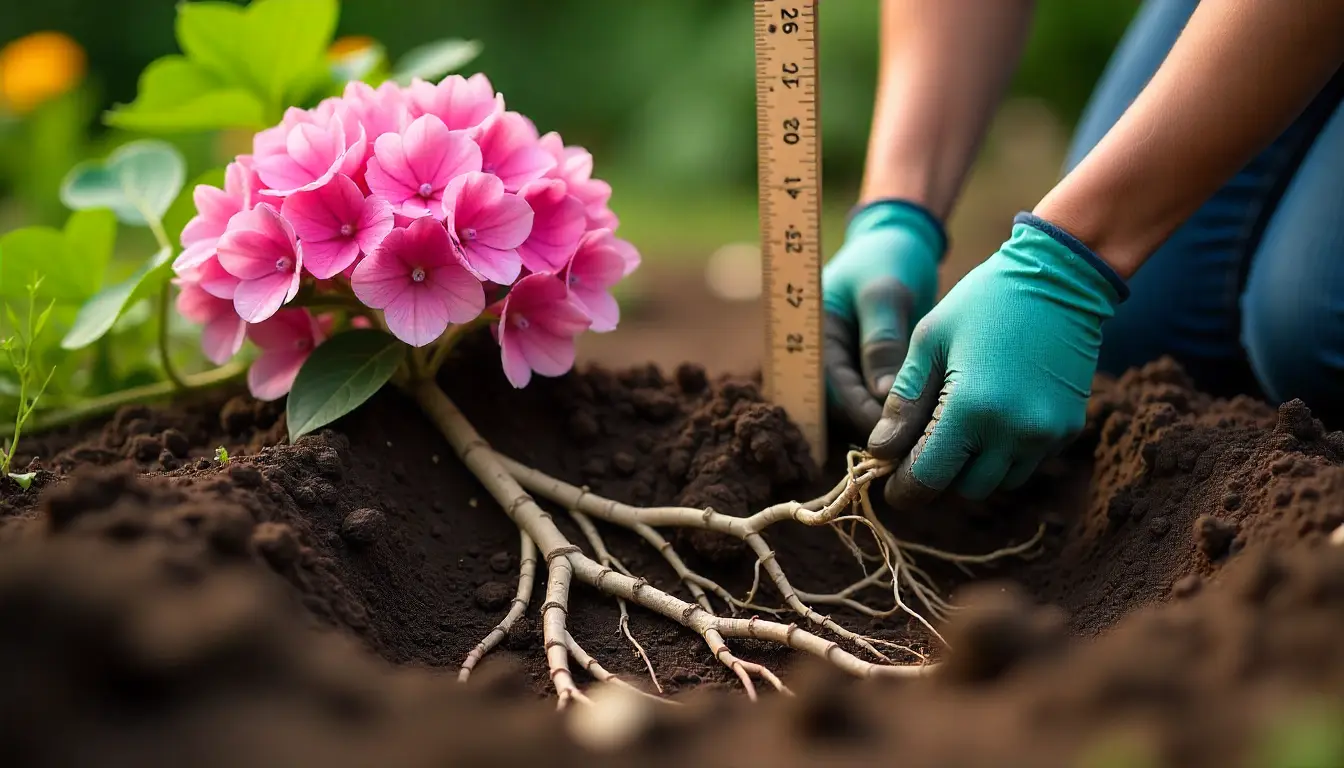
- When planting your hydrangea, you need to ensure the proper spacing, height, and width. This will facilitate good air circulation, which will reduce the risk of any diseases.
- The hydrangea plant typically grows from 3 feet to 6 feet in width. They can become too overcrowded if they are planted very close to one another. This will lead to less air circulation and increase the chances of any disease.
- When there is enough space, it will allow the plant to grow and expand freely to its full size. To ensure this, keep at least 3 to 5 feet of space between each plant.
Proximity to Structures
- These plants are typically grown around homes or fences, so you have to ensure that despite all this, they have sufficient space to grow comfortably.
- They should be grown away from any structures to make sure there is enough room for their branches and roots to spread out.
- They should not be grown too close to any walls or foundations as it could restrict airflow. This can potentially cause fungal issues.
- Moreover, you need to ensure that there is enough space around for you to carry out regular pruning and maintenance tasks without facing difficulty.
In summary, following these essential factors provides a strong foundation for success and vibrant blooms. Integrating these insights aligns perfectly with a comprehensive horticultural management plan, helping gardeners nurture healthy, flourishing plants year after year. Integrating these insights aligns perfectly with Hydrangeas Caring Tips, helping gardeners nurture healthy, flourishing hydrangea plants year after year.
When to Plant Hydrangeas for Maximum Growth?
You have to know what the optimal time to plant hydrangeas in your specific region is. This is important to ensure that your plant grows successfully without any hindrance. Below is a table outlining the recommended planting times for hydrangeas in various states:
| Region Name | Optimal Time for Planting |
| Michigan | The ideal planting time is during fall before the first frost. You can also plant it in the spring after the last frost. |
| Georgia | You need to plant it either in the fall or in early spring. These have cool temperatures and moisture. Both of which help the plant settle its roots. |
| North Carolina | Plant the hydrangea before the first frost hits. So, it is best to plant either in spring or fall as it grows better in milder temperatures. |
| New Jersey | You need to plant in early spring or fall. Planting it during the cooler part of the day is preferable, such as early in the morning or evening, when the sun is not strong. |
| Texas | The best time to plant it is when the weather is mild, such as during the spring or fall. The main goal is to avoid the scorching hot days of summer to allow the plant to grow. |
| Virginia | Fall is the most optimal time to plant your hydrangeas. The next best option is spring. Fall is mostly preferred as the hydrangeas may already be in their dormant phase. |
| Florida | Here, too, fall and springtime are the most preferred seasons to plant hydrangea shrubs. You can also plant them in summer, but it may have a negative impact. |
| Alabama | Fall is the best planting time. This is because the new root system will have some time to establish itself before blooming. The next best time is spring. |
| Colorado | The best time to plant your hydrangeas is either in spring or fall. This will allow the plants enough time to settle within ideal conditions. |
| Minnesota | You should plant your hydrangeas in spring or in early fall. During these seasons, your plant will grow at a moderate temperature. This will also allow the plants to establish their root systems before experiencing extreme temperatures. |
| Missouri | The ideal time for planting your hydrangea should be early spring or early fall, as soon as the summer heat goes away. |
Where to Plant Hydrangeas for Best Growth: Choosing the Right Location in Your Garden
You must plant your hydrangeas in the right location to see their optimal growth. Otherwise, it may have the opposite effect.
Where is the best place to plant hydrangeas?
The ideal place is a location that receives both morning sunlight and afternoon shade. If you are interested in manipulating the floral pigments later in the season, choosing a spot with high-quality, native soil is much easier than trying to adjust pH in a poor location. This is because you need to ensure that your plant receives at least 4 to 6 hours of sun and not intense heat. There are some varieties, like panicle hydrangeas, that can tolerate intense sunlight. However, others like bigleaf hydrangeas, need extra shade for optimal growth. You need to make sure they are planted in a windy area or under large trees. Here, your plant will have to compete for water and nutrients.
Where to plant hydrangeas outside?
To ensure that your plant has healthy growth along with vibrant flowers, you need to choose a well-shaded place that has a well-draining and fertile soil. For varieties like bigleaf and oakleaf hydrangeas that struggle with intense heat, a shaded location will provide the ideal balance.
To ensure that the hydrangea plant receives this, the east side of your home is an excellent choice. This is because it is the perfect spot for the gentle morning light to come in and later protect it from the harsh afternoon sun.
You should avoid planting hydrangeas in locations with low-lying soil. Here, water can gather, which can later lead to waterlogging and root rot. You can consider fences or garden borders to plant your hydrangeas against. This will prevent them from overcrowding.
Conclusion
Choosing the right timing and location to plant hydrangeas is essential to ensure they thrive and bring vibrant color to your garden. To plant hydrangeas for maximum growth, consider factors like sunlight, soil quality, climate, watering needs, and proper spacing. Planting them near structures can offer added support, promoting healthy development. Before you start, decide the best time and place based on your hydrangea variety and local region, and you’ll be all set for success.
FAQs
When to plant oak leaf hydrangeas?
The best time to plant oakleaf hydrangeas is in early spring or fall when temperatures are mild. If you plant in early spring, it will allow the roots to settle before the summer heat arrives. Planting during fall gives the root a head start before winter dormancy. You should avoid planting in the peak of summer, as excessive heat can stress young plants.
When is the best time to plant limelight hydrangeas?
Limelight hydrangeas should be planted in early spring or fall for the best results. Planting during the fall is often preferred because the cooler temperatures and increased rainfall help the roots to settle before winter. If you want to plant in spring, do so after the last frost to ensure the plant is not exposed to sudden temperature drops.
When is the best time of year to plant hydrangeas?
The ideal time to plant most hydrangea varieties is early spring or fall. Spring planting should happen after the last frost, while fall planting should occur at least 4-6 weeks before the first expected frost to give roots time to settle. Planting in extreme summer heat or freezing winter will stress the plant and hinder healthy growth.
What to plant with hydrangeas?
Best companion plants for hydrangeas thrive in partial shade and moist, well-draining soil. Top choices include hostas for lush foliage, Pieris japonica for early blooms, and conifers like junipers or pines for year-round color. These plants enhance hydrangeas with layered beauty and shared growing conditions.
Can you plant hydrangeas in a pot?
Yes, you can plant hydrangeas in pots. Choose a large container with good drainage, use rich, well-draining soil, and keep it in partial sun. Potted varieties need regular watering and specialized blooming nutrients to stay healthy and produce vibrant clusters.