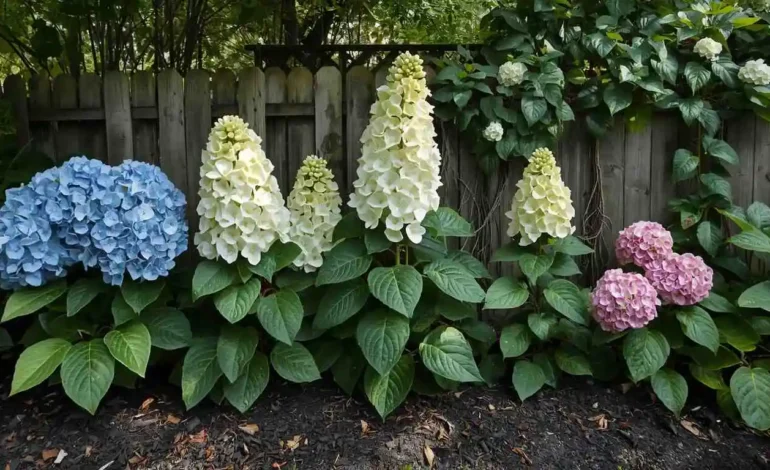
The Complete Guide to Different Types of Hydrangeas: Identification and Care

Hydrangeas are garden favorites for good reason. often cited by experts like the scientific researchers at the OSU Extension Service for its versatility in the landscape. These flowering shrubs offer stunning blooms, reliable growth, and surprising variety. But with so many different types of hydrangeas available, choosing the right one for your garden can feel overwhelming.
This guide breaks down the most common hydrangea varieties, how to identify them, and what each type needs to thrive.
Understanding How Hydrangeas Bloom
Before diving into specific varieties, there’s one critical concept that will save you from disappointment: distinguishing between different flowering habits.
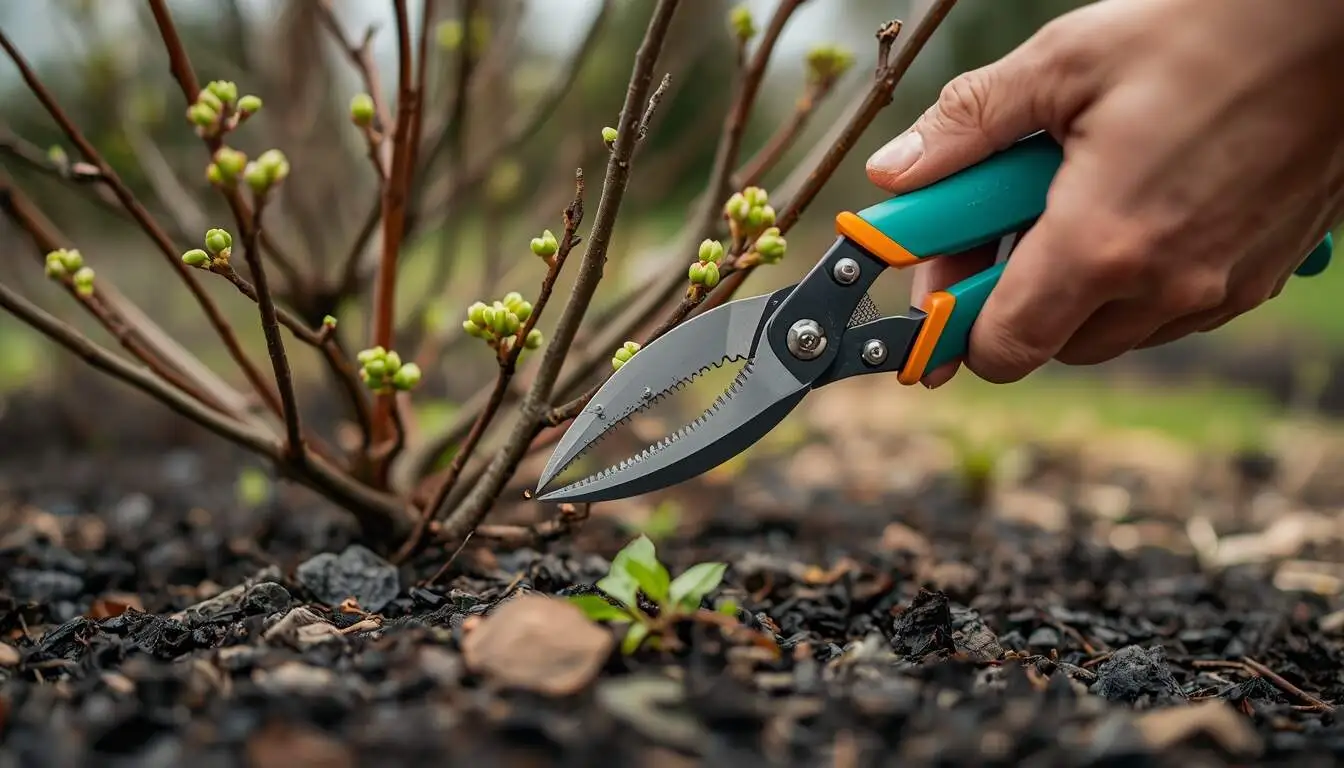
Old wood hydrangeas form their flower buds during the previous growing season. If you prune them in late winter or early spring, you’re cutting off this year’s flowers. A late frost can do the same damage, which is why these types can be frustrating in colder regions.
New wood hydrangeas develop buds on the current season’s growth. They’re more forgiving with pruning and perform reliably in cold climates, even down to Zone 3.
Reblooming varieties offer the best of both worlds. Modern cultivars like the Endless Summer series bloom on both old and new wood, giving you two chances at flowers each season.
Understanding which category your hydrangea falls into will prevent the most common gardening mistake: pruning away your blooms.
The Six Most Popular Hydrangea Species
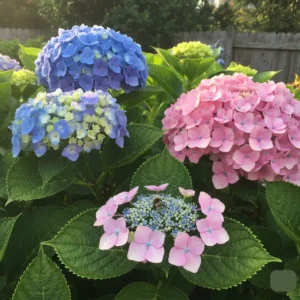
1. Bigleaf Hydrangea (Hydrangea macrophylla)
This is the popular large-leafed flowering shrub you picture in your mind. Bigleaf hydrangeas have thick, glossy leaves and come in two distinct flower forms.
Mopheads produce those classic round, puffy blooms that look like cheerleader pompoms. Lacecaps have a flatter appearance with tiny fertile flowers in the center surrounded by showy petals.
Here’s what makes Bigleaf hydrangeas special: they’re one of only two types that change color based on soil conditions. In acidic soil (below pH 6.5), the blooms turn blue. In alkaline soil (above pH 7.5), they shift to pink. This happens because of aluminum availability in the soil, not magic.
These hydrangeas prefer coastal or mild climates. Give them morning sun and afternoon shade, especially in hot regions, as this is vital for maintaining healthy mophead blooms. They bloom on old wood, so protect those buds.
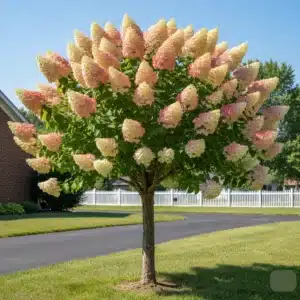
2. Panicle Hydrangea (Hydrangea paniculata)
You can spot panicle hydrangeas by their cone-shaped flower clusters. These range from 6 to 16 inches long and stand upright on the stems.
Panicles are the tough guys of the hydrangea world. They handle full sun better than any other type and survive winters down to Zone 3. Their flowers start white or greenish, then age to pink or red as summer progresses. Soil pH won’t change these colors.
This is also the only hydrangea commonly trained into a tree form with a single trunk, making them popular as specimen plants or along driveways.
Because they bloom on new wood, you can prune panicles in late winter without losing flowers. Popular varieties include Limelight, Little Lime, and Vanilla Strawberry.
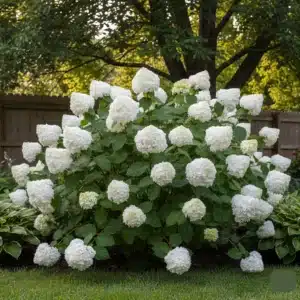
3. Smooth Hydrangea (Hydrangea arborescens)
Native to the eastern United States, smooth hydrangeas have heart-shaped leaves with a matte finish rather than glossy. They produce massive white snowball flowers that can reach 12 inches across.
The classic variety, Annabelle, has been a garden staple for decades. However, those huge blooms often flop over after rain. Newer cultivars like Incrediball were bred with stronger stems to hold up the heavy flowers.
Smooth hydrangeas bloom on new wood and tolerate cold winters well. They prefer partial shade but can handle more sun if you keep them well watered.
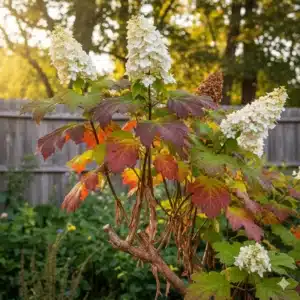
4. Oakleaf Hydrangea (Hydrangea quercifolia)
These are the easiest hydrangeas to identify. The leaves look just like oak tree foliage, with deep lobes and a substantial feel. The bark peels away in strips, revealing a cinnamon-brown color underneath.
Oakleaf hydrangeas earn their keep across three seasons. Summer brings conical white flowers. Fall delivers brilliant burgundy and red foliage. Winter showcases that interesting exfoliating bark structure.
They bloom on old wood, so be cautious with pruning. Native to the southeastern United States, they handle heat and humidity better than many other types. They prefer partial shade but adapt to various conditions.
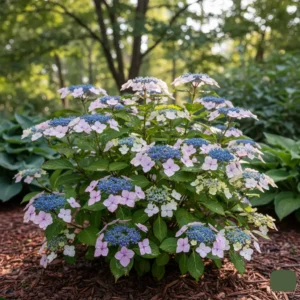
5. Mountain Hydrangea (Hydrangea serrata)
Think of mountain hydrangeas as the compact cousin of bigleaf hydrangeas. They look similar with their lacecap flowers but stay smaller and handle cold better.
Like bigleafs, mountain hydrangeas change color based on soil pH. You’ll see them shift between pink, blue, and lavender depending on your soil chemistry. The blooms tend to be more delicate and refined than their larger relatives.
These work well in smaller gardens where a full-size bigleaf would overwhelm the space. They also perform better in colder zones, making them a good alternative for northern gardeners who want color-changing blooms.
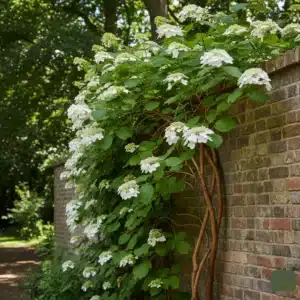
6. Climbing Hydrangea (Hydrangea anomala petiolaris)
This is the odd one out because it’s a vine, not a shrub. Climbing hydrangeas attach to walls, fences, or trees using aerial rootlets and can reach 50 feet tall.
Fair warning: these plants are notoriously slow to establish. They can take up to five years before they really take off. Once established, they’re worth the wait. You get fragrant white lacecap flowers in early summer and attractive reddish-brown bark in winter.
Climbing hydrangeas prefer shade to partial shade. They’re perfect for north-facing walls or adding vertical interest in woodland gardens.
Lesser-Known Hydrangea Varieties Worth Discovering
If you’ve mastered the common types and want something different, these specialty hydrangeas offer unique characteristics.
Rough-Leaved Hydrangea (Hydrangea aspera) has soft, fuzzy foliage and dramatic lacecap flowers with deep blue-purple centers ringed by white outer petals.
Silverleaf Hydrangea (Hydrangea radiata) features leaves with a striking silvery-white underside. When the wind catches them, the foliage flashes like silver coins.
Fragrant Hydrangea (Hydrangea angustipetala) is rare in cultivation but prized for its pleasant scent. Most hydrangeas have little to no fragrance, making this one special.
Evergreen Climbing Hydrangea (Hydrangea integrifolia) comes from Taiwan and keeps its glossy leaves year-round. It’s less hardy than the deciduous climbing type but offers winter interest in milder climates.
Soft Bud Hydrangea (Hydrangea involucrata) produces unusual fuzzy buds that slowly open into delicate blooms.
How to Identify Your Hydrangea Without Flowers
Maybe you moved into a house with established hydrangeas, or perhaps you’re trying to identify a plant in winter. The leaves and stems provide reliable clues.
Heart-shaped leaves with a matte finish point to smooth hydrangeas.
Deeply lobed leaves that resemble oak foliage identify the oakleaf variety immediately.
Small, pointed leaves are characteristic of panicle hydrangeas.
Glossy, serrated leaves indicate bigleaf or mountain hydrangeas.
Peeling bark in cinnamon tones appears on oakleaf and climbing varieties.
The stem structure also helps. Woody vines are climbing hydrangeas. Shrubs with multiple stems from the base are one of the bush types.
Solving Common Hydrangea Problems
Your Hydrangea Won’t Bloom
This frustrates gardeners more than any other issue. Here are the usual suspects:
Wrong timing for pruning. If you have an old wood bloomer, improper trimming techniques for macrophylla varieties in late winter will remove the flower buds. Wait until right after blooming to prune these types.
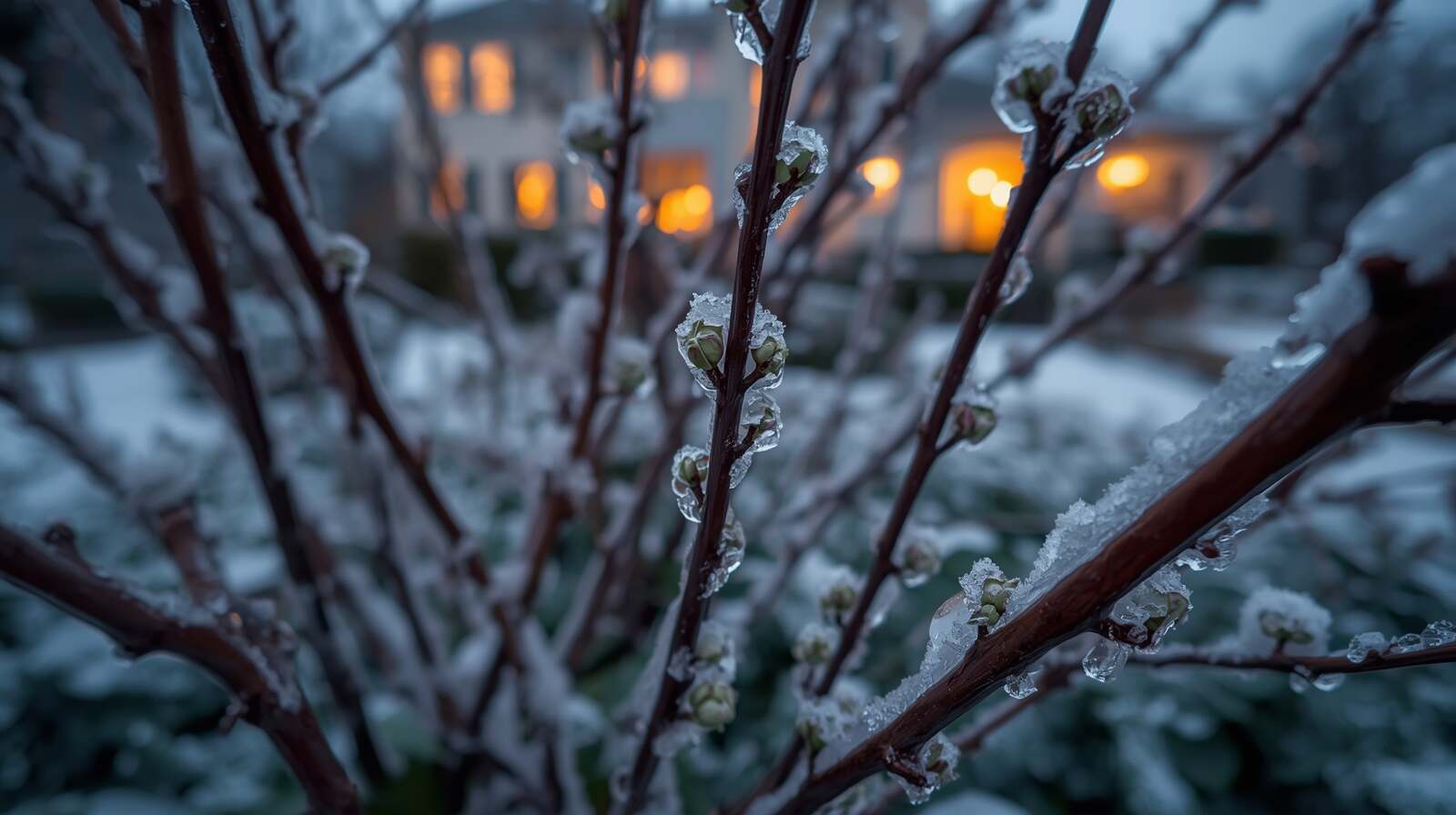
Frost damage. Late spring frosts kill buds on varieties that lack cold resilience. Bigleaf hydrangeas are especially vulnerable. If you live in Zone 5 or colder, consider switching to panicle or smooth hydrangeas.
Sun and shade mismatch. Panicles need sun to bloom well; understanding the best garden orientation for planting ensures you don’t end up with lots of leaves but few flowers. Conversely, shade lovers like smooth hydrangeas will struggle in full sun without constant moisture.
Overfertilizing. Too much nitrogen produces lush foliage at the expense of blooms. Use a balanced fertilizer or one formulated for flowering shrubs.
Changing Bloom Color
Only bigleaf and mountain hydrangeas change color based on soil conditions. White hydrangeas stay white regardless of pH.
For blue blooms, you need acidic soil below pH 6.5 and available aluminum. Add aluminum sulfate to lower pH and provide aluminum.
For pink blooms, raise the soil pH above 7.5 by adding lime. This binds up aluminum so the plant can’t absorb it.
Changing color takes time and persistence. You’ll need to amend the soil over a full growing season to see results. Container-grown hydrangeas are easier to control because you can adjust the potting mix.
Water Requirements
The name “hydrangea” comes from Greek words meaning water vessel, which should tell you something. These plants need consistent moisture, especially during hot weather and while establishing.
Wilting leaves in the afternoon are normal for some varieties during peak heat. If the plant perks up by evening, don’t panic. However, if leaves stay wilted overnight or start browning at the edges, you’re underwatering.
Apply 2 to 3 inches of mulch around the base to retain moisture. Water deeply once or twice per week rather than shallow daily watering.
Important Safety Information
All parts of hydrangea plants are toxic to humans, dogs, and cats. The leaves and flower buds contain cyanogenic glycosides. Ingestion can cause stomach upset, vomiting, and other symptoms.
Keep this in mind if you have curious pets or small children. While serious poisoning is rare, it’s better to be aware and plant hydrangeas away from areas where pets spend most of their time.
Quick Answers to Common Questions
Which hydrangea is most cold-hardy?
Panicle and smooth hydrangeas handle cold best, surviving to Zone 3. They bloom on new wood, so frost damage is rarely an issue.
Which hydrangeas grow in full sun?
Panicle hydrangeas are the most sun-tolerant. Oakleaf hydrangeas also handle sun reasonably well, especially in northern gardens.
What’s the best hydrangea for containers?
Mountain hydrangeas and dwarf panicle varieties like Little Lime work well in pots, though many gardeners eventually consider transitioning potted varieties to garden beds for long-term growth. Choose a container at least 18 inches wide.
Are there evergreen hydrangeas?
Hydrangea integrifolia keeps its leaves year-round, but it only survives in mild climates. Most hydrangeas are deciduous.
How long do hydrangea blooms last?
Fresh blooms typically last 4 to 6 weeks on the plant. Many varieties hold dried flowers through winter, extending the display.
Why does my hydrangea have huge leaves but no flowers?
This usually indicates too much nitrogen fertilizer or shade. It can also happen after severe pruning of old wood varieties.
Choosing the Right Hydrangea for Your Garden
Match the plant to your conditions rather than forcing a plant into the wrong spot.
Cold climate (Zone 3-4): Choose panicle or smooth hydrangeas.
Mild, coastal climate: Bigleaf hydrangeas thrive here.
Full sun location: Go with panicle hydrangeas.
Deep shade: Climbing or smooth hydrangeas perform best.
Small space or container: Mountain hydrangeas or dwarf cultivars.
Multi-season interest: Oakleaf hydrangeas deliver color from summer through winter.
Color flexibility: Bigleaf or mountain varieties let you adjust bloom color.
Different types of hydrangeas offer something for nearly every garden situation. Once you understand the basic categories and their needs, you can select varieties that will actually thrive in your specific conditions rather than just survive. That’s when these beautiful shrubs really earn their place in the landscape.