Hydrangea Macrophylla Pruning: The 5-Minute Guide to Bigger, Better Blooms

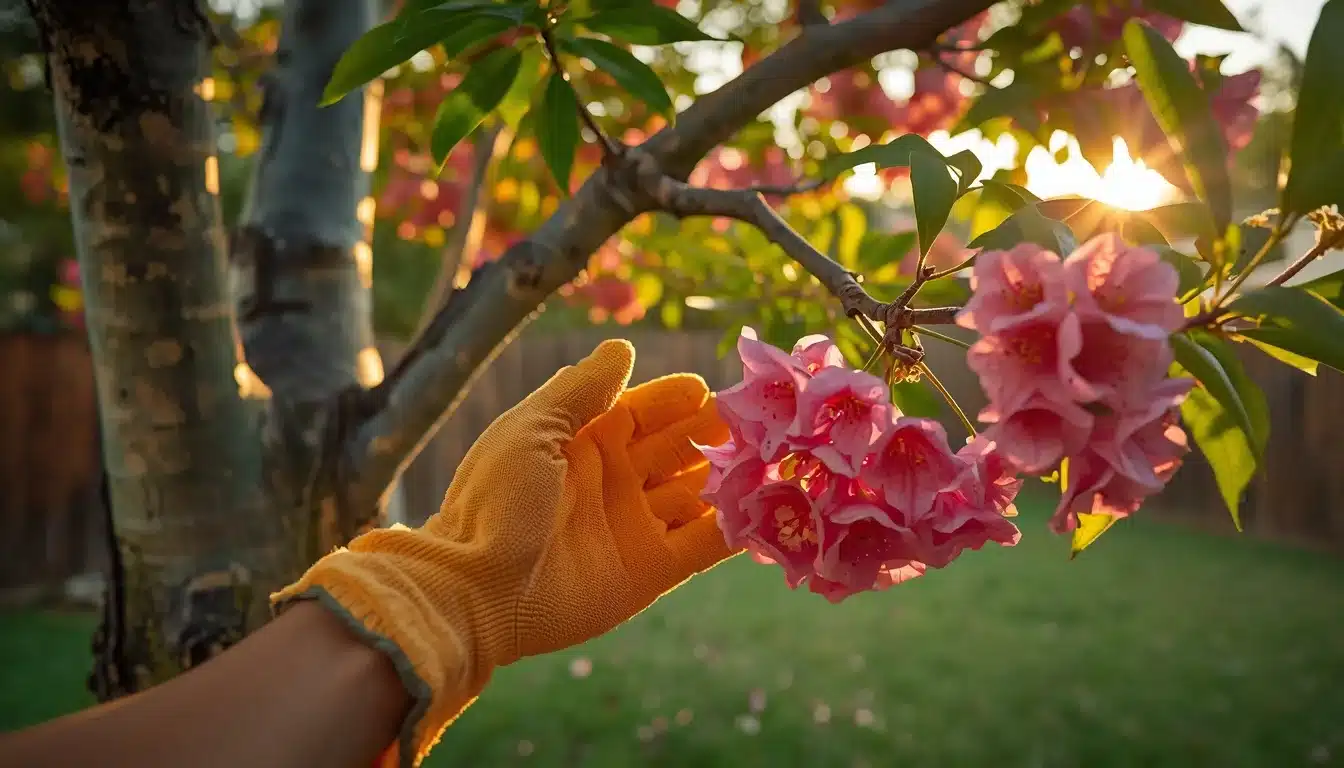
Did you know that proper pruning can increase the bloom size of your Hydrangea Macrophylla by up to 50%? This simple gardening trick can make your garden colorful and lively. Pruning is more than cutting plants; it’s an art that makes your Hydrangeas look better and stay healthy.
Our guide will show you simple steps to prune your Hydrangea Macrophylla right. You’ll learn how to get bigger, better blooms and follow a complete bigleaf hydrangea care routine to keep your plants thriving all season.
Key Takeaways
- Understand the importance of pruning for Hydrangea Macrophylla
- Learn the step-by-step process for effective pruning
- Discover best practices for bigger, better blooms
- Find out how to care for your Hydrangeas throughout the growing season
- Get tips on maintaining your plant’s health and appearance
Why Pruning Matters for Hydrangea Macrophylla
Pruning helps keep your Hydrangea macrophylla healthy and encourages better blooming. The main reasons pruning matters include:
-
Stimulates New Growth: Pruning removes old, dead, or damaged wood, which helps the plant focus its energy on fresh, strong growth that will produce flowers next year.
-
Improves Flower Quality: By thinning crowded stems, pruning lets more sunlight and air reach the plant’s buds, which can lead to bigger, healthier blooms.
-
Controls Plant Size and Shape: Pruning helps keep the hydrangea at a manageable size and neat shape, which makes your garden look better.
-
Prevents Disease: Cutting out crowded or unhealthy stems improves air flow around the plant, reducing the risk of leaf diseases and other problems.
-
Supports Blooming on Old Wood: Hydrangea macrophylla flowers form on last year’s branches, so pruning at the right time ensures you don’t accidentally cut off next year’s flowers.
Important Points
-
Prune just after flowering, usually late summer or early fall, to avoid removing flower buds.
-
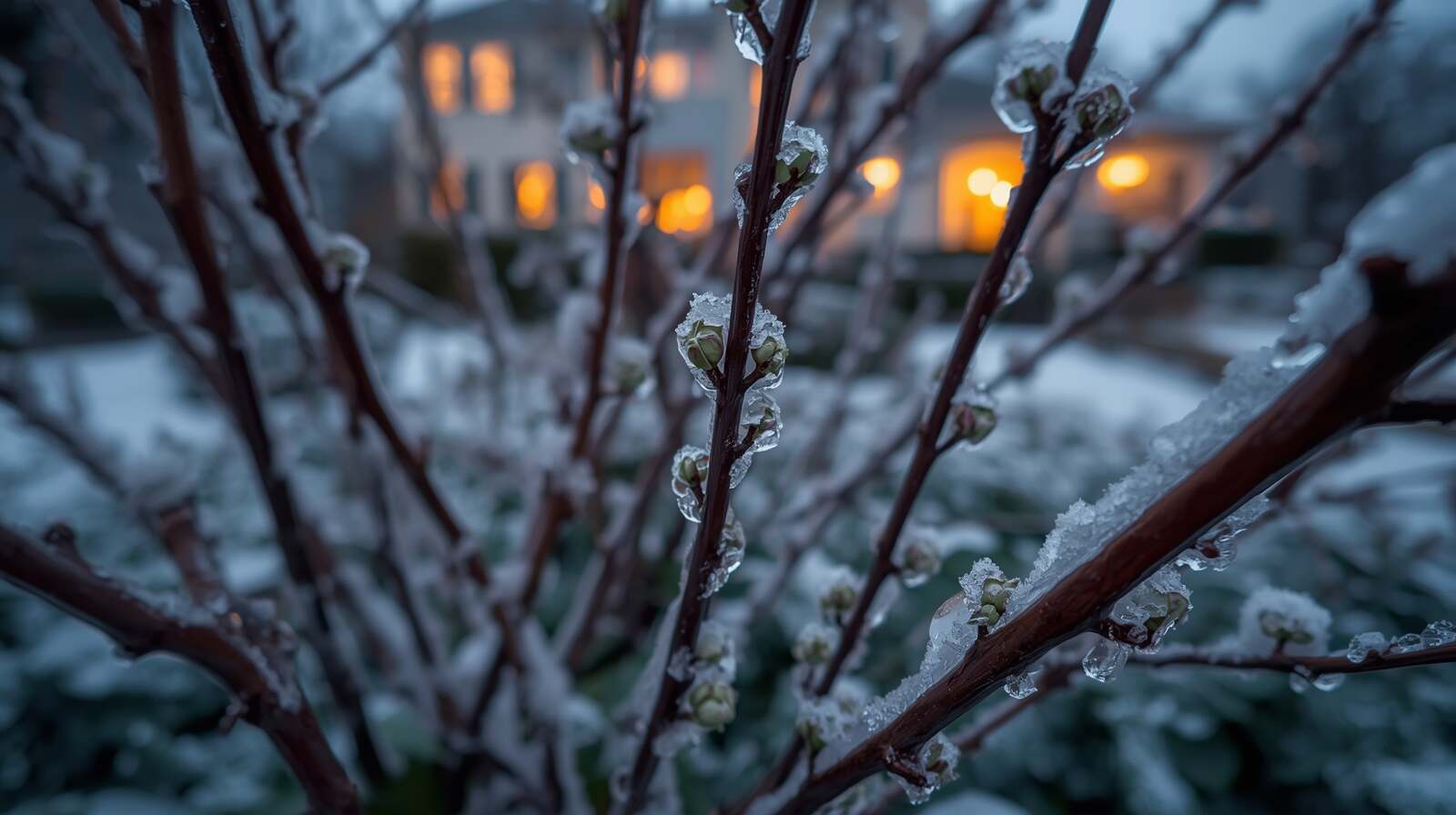
Avoid heavy pruning or pruning in late fall, winter, or early spring because this can reduce blooms.
-
Remove only about one-third of the oldest stems each year to encourage new, strong growth.
Essential Tools for Pruning Hydrangea Macrophylla
Pruning Hydrangea Macrophylla requires the right tools to help your plants grow healthy and produce large, beautiful blooms.
Key Tools You Need
-
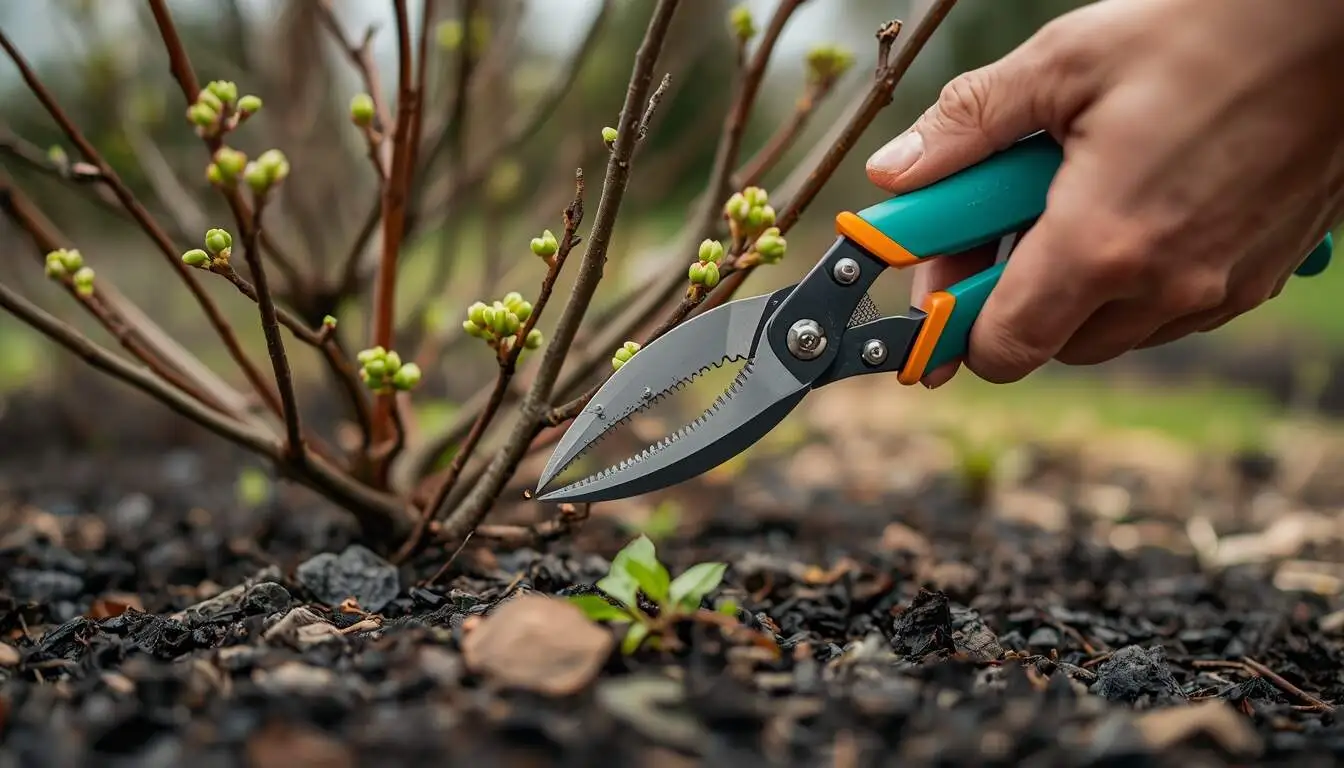
Pruning Shears: These are small cutting tools used to trim thin stems and branches. Bypass pruning shears work best because they make clean cuts that do not hurt the plant.
-
Loppers: These help cut thicker branches that are too big for pruning shears.
-
Gardening Gloves: Wear gloves to protect your hands from scratches, sap, or thorns.
Extra Useful Tools
-
Pruning Saw: Handy for cutting large branches safely.
-
Garden Disinfectant: Important for cleaning tools to prevent the spread of diseases among your plants.
How to Keep Your Tools Clean
Cleaning your pruning tools prevents diseases from spreading to your Hydrangea Macrophylla.
-
Use a cloth soaked with 70% rubbing alcohol or a mix of one part bleach to nine parts water to wipe tools.
-
Always clean your tools before cutting different plants or after trimming any sick branches.
With the right tools and proper cleaning, your Hydrangea Macrophylla will stay healthy and bloom beautifully.
When to Prune Hydrangea Macrophylla: Timing is Everything
Knowing the right time to prune Hydrangea Macrophylla is important for healthy blooming. Pruning at the correct time helps your plant produce beautiful flowers.
Old Wood vs. New Wood Bloomers
Hydrangea Macrophylla plants fall into two groups. Understanding the difference between old wood vs. new wood hydrangeas is essential, as some bloom on last year’s stems while others bloom on current growth.
Traditional Bigleaf Hydrangea Timing
Most bigleaf hydrangeas bloom on old wood. Prune them just after they finish blooming in summer. This way, you can remove faded flowers and shape the plant without cutting next year’s blooms.
Reblooming Variety Considerations
Some hydrangeas bloom on both old and new wood. For these, you can prune in late winter or early spring. Remove dead stems and shape the plant as needed.
Seasonal Pruning Calendar
Using a seasonal pruning schedule helps keep your Hydrangea healthy.
Spring Pruning:
Check your Hydrangea Macrophylla for winter damage. Cut off any dead or broken stems.
Late Summer and Fall:
After the plant has finished blooming in late summer, prune to shape and remove old flowers. Avoid pruning in the fall, as it could weaken the plant for winter.
When to Prune Hydrangea Macrophylla: Timing is Key for Better Blooms
Hydrangea macrophylla flowers grow on last year’s stems, so timing your pruning right is essential to keep the blooms coming strong.
Traditional Hydrangea Macrophylla
These bloom on old wood, so prune right after the flowers fade in late summer or early fall. This way, you remove spent blooms and shape the plant without cutting off next year’s flower buds.
Reblooming Varieties
Some newer types bloom on both old and new wood. You can prune these in late winter or early spring to remove dead stems and shape the plant without losing flowers.
Seasonal Pruning Tips
-
Spring: Check for any winter damage and remove dead or damaged branches.
-
Late Summer: Prune after blooming to remove spent flowers and shape the plant.
-
Fall: Avoid pruning to prevent weakening the plant before winter.
Hydrangea Macrophylla Pruning: Easy Guide for Beautiful Blooms
Keep your Hydrangea Macrophylla healthy and full of flowers with these simple pruning steps:
1. Get Your Tools Ready
Use sharp, clean pruning shears to make smooth cuts and stop disease from spreading.
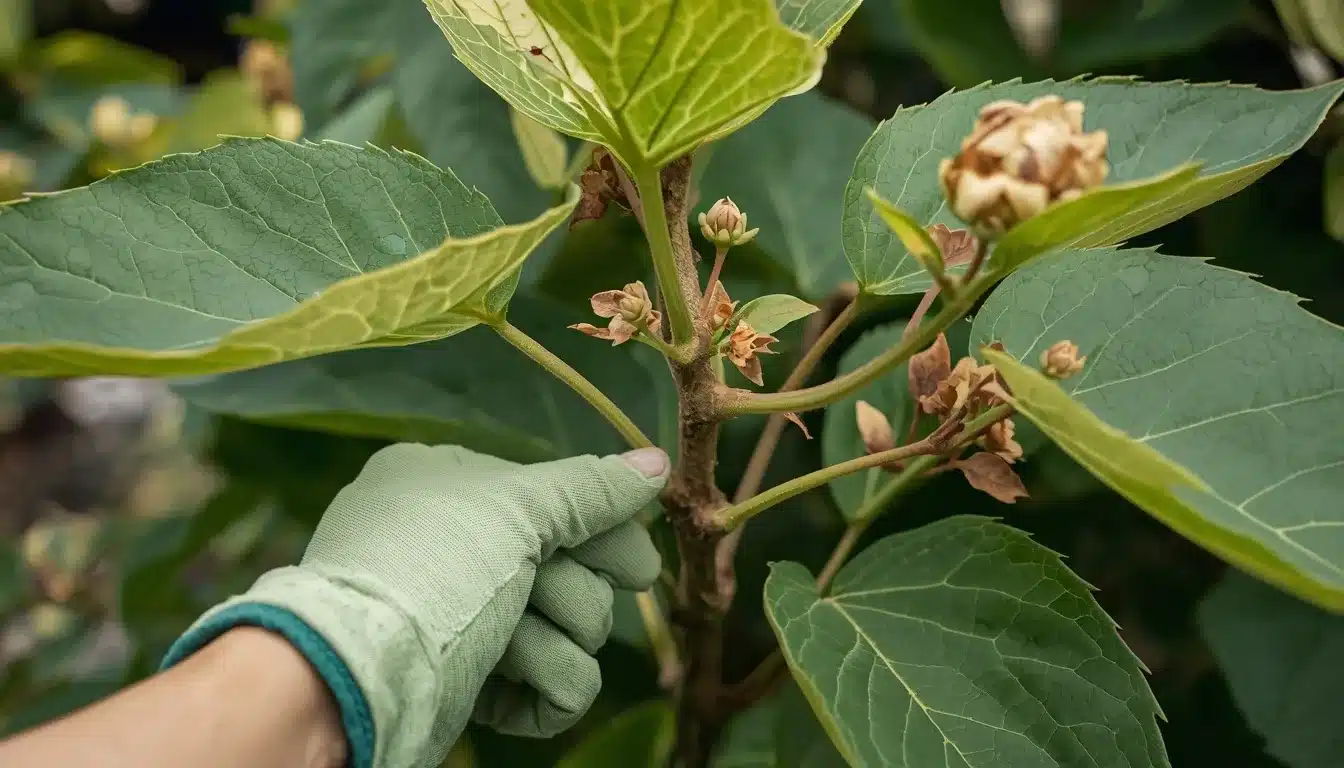
2. Cut Away Dead or Damaged Stems
Look for stems that are brown, dry, or broken. Cut these back to the base or just above healthy buds anytime during the year to keep your plant strong.
3. Prune After Flowers Fade
Hydrangea Macrophylla blooms on old wood (last year’s stems), so prune right after flowering in late summer.
How to Deadhead Correctly: Deadheading means removing old, faded flowers. Where you cut is very important to protect next year’s blooms.
- Do not cut halfway down the stem – this removes next year’s flower buds
- Follow the stem down from the dead flower until you see the first pair of big, healthy leaves
- Cut right above this first pair of leaves
- The fat buds where the leaves meet the stem are actually next year’s flowers waiting to bloom
- Cutting too far down means fewer flowers next season
After deadheading, cut back one-third of the oldest, thickest stems all the way to the base. This helps new stems grow.
4. Shape Your Plant
Lightly trim stems that stick out too far or grow unevenly to keep a natural look. Don’t cut too much or you’ll stress the plant.
5. Remove Crowded Stems
Take out some stems from the center to let air flow through and sunlight reach inside. This creates stronger, bigger blooms.
6. Care After Pruning
- Add balanced fertilizer to help new growth
- Put mulch around the base to keep the soil moist and stop weeds
- Water well to help your plant recover
Follow these steps to grow a healthy hydrangea with bigger, brighter blooms every year.
Specialized Pruning Techniques for Different Results
Pruning your Hydrangea Macrophylla is more than just cutting stems. It’s about using special techniques for the best results. Learning these methods can make your plant look and feel better.
Pruning for Larger Blooms
To get bigger flowers, you need two main steps. These are selective bud removal and supporting heavy blooms.
Selective Bud Removal
With selective bud removal, you pick which buds to remove. This helps the plant focus on growing bigger flowers. It takes some planning and watching.
Supporting Heavier Blooms
When your Hydrangea Macrophylla grows big flowers, the stems might need help. Stakes or a trellis can keep your plant standing tall and healthy.
Pruning for More Abundant Flowering
For more flowers, try techniques that make your plant grow more stems. Also, deadheading is key.
Encouraging Multiple Stems
Prune your Hydrangea Macrophylla to grow more stems. This means cutting back some stems to the ground. It helps your plant grow more flowers.
Deadheading for Continued Blooming
Deadheading means removing old flowers. It tells your Hydrangea Macrophylla to keep making new ones. This simple step keeps your plant blooming all season.
The Complete Hydrangea Pruning Chart
A good hydrangea pruning chart makes caring for your plants easy. It shows you when and how to prune for the best blooms. Pruning guide by hydrangea type. Each hydrangea type needs its own pruning. Knowing your plant’s type helps you prune it right.
Here is the complete hydrangea pruning chart in a clear and easy-to-follow format:
| Hydrangea Type | When to Prune | How to Prune | Additional Care |
|---|---|---|---|
| Mophead Hydrangea | Right after blooming | Prune dead stems and shape the plant | Blooms on old wood; remove dead blooms in early spring; leave some flowers over winter for bud protection |
| Lacecap Hydrangea | Right after blooming | Remove dead or damaged stems | Blooms on old wood; deadhead after flowering to encourage next year’s blooms |
| Smooth Hydrangea | Late winter or early spring | Can cut back severely to about 12 inches (30 cm) | Blooms on new wood; hard prune encourages strong shoot growth |
| Panicle Hydrangea | Late winter or early spring | Cut back by one-third to half to control size | Blooms on new wood; pruning shapes and encourages bloom size |
| Oakleaf Hydrangea | After flowering | Remove dead or damaged branches only | Blooms on old wood; minimal pruning needed |
| Climbing Hydrangea | After flowering in summer | Remove dead, damaged, or overlong shoots | Blooms on old wood; heavy pruning should be gradual |
-
Spring: Check for winter damage; remove dead branches if needed. Begin removing faded blooms (deadheading).
-
Summer: Deadhead spent flowers to encourage more blooms.
-
Fall: Remove dead stems and prepare plants for winter by mulching around the base.
-
Winter: Avoid pruning unless necessary (mostly for new wood bloomers in late winter).
This chart helps you prune properly by hydrangea type and timing to promote healthy plants and the best blooms each year. Avoid pruning old-wood bloomers like mophead and lacecap hydrangeas in late fall or winter to prevent loss of blooms next season. For new-wood bloomers such as smooth and panicle hydrangeas, prune in late winter or early spring to stimulate new growth.
Rejuvenating an Overgrown Hydrangea Macrophylla
Is your bigleaf hydrangea too big, crowded, or overgrown? You can make it smaller over time without losing all your blooms at once. This simple pruning method helps your hydrangea grow fresh, healthy stems from the bottom.
Easy Pruning Steps
Step 1: Find the Old Stems
In late winter or early spring (before new leaves appear), look for the oldest, thickest stems. These old stems are usually gray, have peeling bark, and don’t produce many flowers.
Step 2: Cut One-Third of Old Stems
Choose about one-third of these old stems. Cut them all the way down to the ground or just above where the plant meets the soil.
Step 3: Let New Stems Grow
Cutting old stems down forces your hydrangea to grow new, strong stems from the base. These new stems will become the main structure of your plant.
Step 4: Repeat Each Year
Do this same pruning for three years in a row. After three years, all the old, large stems will be replaced with new, healthy ones. Your hydrangea will be smaller, healthier, and produce more flowers.
This gradual pruning method keeps your hydrangea blooming while controlling its size year after year.
When Pruning Isn’t Enough: Moving or Replacing Your Hydrangea
Sometimes, pruning hydrangea macrophylla every year isn’t the right answer. If your shrub is mature (20+ years old) and you need to cut it back hard every year just to clear a path or driveway, the plant is simply too large for its location. No amount of pruning will fix this problem for good.
The Permanent Fix: Transplant to a Better Spot
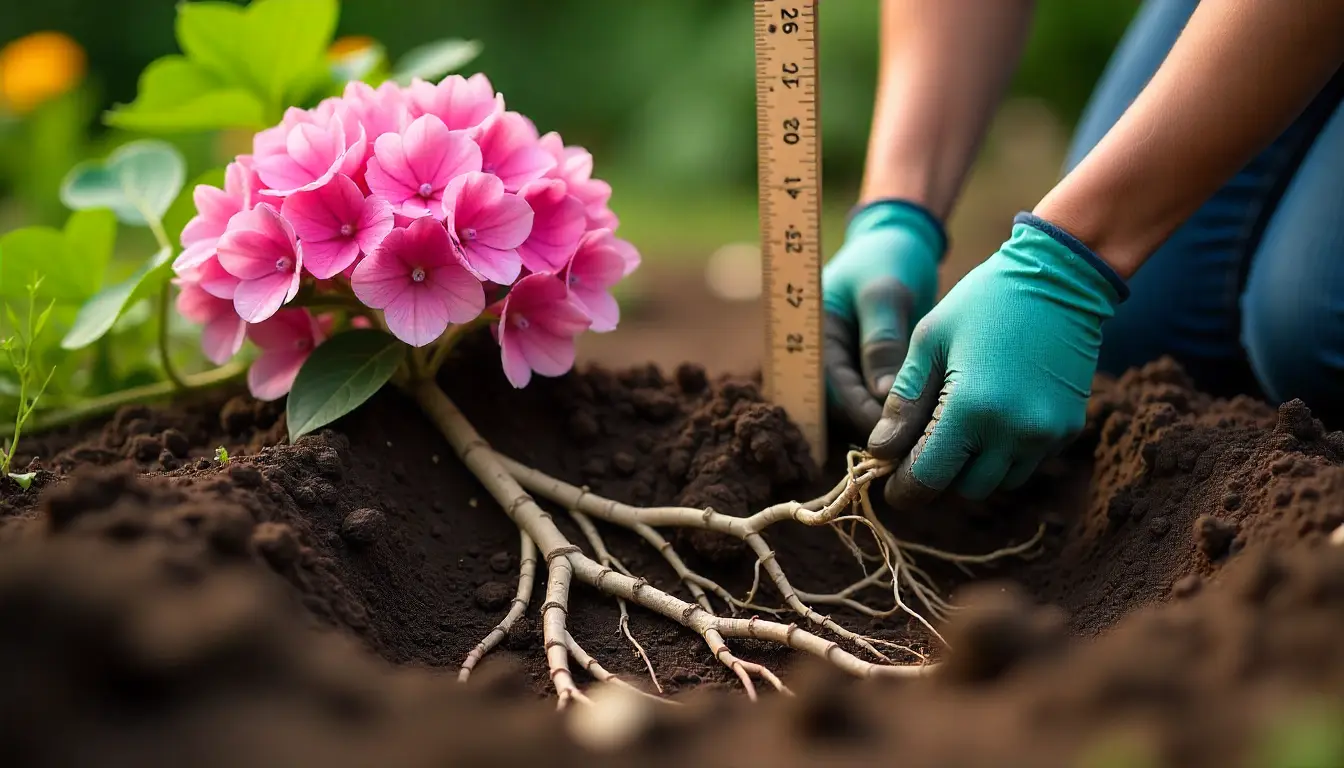
Consider moving the large shrub to a more open area in your garden where it has room to grow. The best time to transplant is during the dormant season in late fall or early spring.
The Replacement Strategy
In the original tight spot, replace the old shrub with a compact variety; for instance, if you have a potted specimen, you might wonder can Mathilda Gutges hydrangea can be planted outside to fill a smaller garden gap. Look for varieties like the ‘Little‘ series, ‘Pop Star,’ or selected ‘Let’s Dance‘ cultivars. These grow to only 3–4 feet tall and wide, so you won’t need to do aggressive pruning that risks losing blooms.
Troubleshooting Common Hydrangea Pruning Problems
Hydrangea Macrophylla can face issues like poor blooms or weak stems. Learning about these problems and their solutions helps keep your plant healthy and flowering beautifully.
No Blooms After Pruning
Your Hydrangea Macrophylla might not bloom after pruning. This often happens when you prune at the wrong time. Bigleaf Hydrangeas bloom on old wood, so cutting too early removes flower buds.
Diagnosing the Cause
Did you prune in late summer or fall? This removes next year’s flower buds. Check if your plant gets enough sunlight and isn’t receiving too much fertilizer. Too much fertilizer creates more leaves than flowers.
Warning: Why Cutting Healthy Stems Partially is Risky
Many gardeners want to simply shorten tall stems, but this creates problems for old-wood blooming Hydrangea macrophylla.
The Problem: Stem nodes along each branch are either flower buds or leaf buds, and you can’t tell them apart easily. When you cut a stem back by a set length (like one foot), you might force the plant to bloom from a tiny, undeveloped leaf bud. This produces weak, short stems with small flowers, or no blooms at all.
The Solution: For better height control and shape when pruning macrophylla hydrangea, use the 1/3 Rejuvenation Method. This encourages strong, new growth from the base. Or remove entire stems down to the ground level instead of cutting them partway.
Corrective Actions
Time your hydrangea macrophylla pruning correctly—prune in late winter or early spring. Also, reduce fertilizer to encourage more blooms.
Weak or Leggy Growth
Weak or stretched-out growth happens when your Hydrangea doesn’t get enough sunlight or when pruning is done incorrectly. This makes the plant look thin and unhealthy.
Structural Pruning Solutions
Prune your Hydrangea to maintain good shape. Remove dead or crossing branches. This encourages healthy growth and improves air circulation.
Supporting Environmental Factors
Make sure your Hydrangea gets 4-6 hours of direct sunlight daily. Keep the soil well-draining and water consistently for good health.
Disease Issues Related to Pruning
Poor pruning practices can lead to disease problems. Fungal diseases are common in Hydrangea Macrophylla, especially from dirty pruning tools.
Identifying Pruning-Related Diseases
Look for black spots, powdery mildew, or root rot. These often come from unclean pruning tools or incorrect cuts that weaken the plant.
Prevention and Treatment
Always clean your pruning tools with bleach or rubbing alcohol before and after use. For diseases, apply fungicides following package directions. Remove infected parts immediately to prevent spreading.
Fixing Common Problems with Hydrangea Macrophylla Pruning
Hydrangea Macrophylla, also called Bigleaf Hydrangea, can sometimes have trouble blooming or growing well. Knowing the right pruning time and care can keep your plant healthy and flowering.
No Flowers After Pruning
If your hydrangea didn’t bloom, it might be because you pruned at the wrong time. Bigleaf hydrangeas bloom on old wood, so cutting too early can remove flower buds.
-
When to Prune: Late winter or early spring is best. Avoid pruning in late summer or fall, as this cuts next year’s buds.
-
Other Causes: Too much fertilizer can cause the plant to produce more leaves and fewer flowers. Also, make sure your plant gets enough sunlight, about 4-6 hours daily.
Weak or Leggy Growth
If your hydrangea looks sparse or weak, it may need more sunlight or better pruning.
-
Pruning Tips: Cut away dead or tangled branches to keep the plant balanced and healthy.
-
Sunlight and Soil: Make sure it gets 4-6 hours of direct sun and that the soil drains well. Water regularly but avoid waterlogging.
Preventing Disease When Pruning
Pruning tools can spread diseases if not cleaned. This can cause fungal infections like black spots, powdery mildew, or root rot.
-
Clean Tools: Always sanitize your pruning shears with bleach or rubbing alcohol.
-
If Disease Appears: Remove infected parts and treat with a fungicide following instructions.
Quick Guide to Hydrangea Pruning Problems
| Problem | Cause | Fix |
|---|---|---|
| No flowers | Pruned at the wrong time | Prune late winter or early spring |
| Weak growth | Not enough sunlight | Give 4-6 hours of direct sun |
| Disease infections | Dirty pruning tools | Clean tools thoroughly before use |
Conclusion: Enjoying Your Beautiful Hydrangea Blooms
Now you know how to prune Hydrangea Macrophylla. This means you’re ready to see big, beautiful flowers. You’ve learned how to cut your plant right, at the best time.
But remember, pruning is just part of caring for your hydrangeas. They also need sunlight, water, and food to grow well. This helps them bloom more.
With what you’ve learned, you’re getting good at growing hydrangeas. Watch your plants bloom and try new pruning ways. See what works best for you.
FAQ
When is the best time to prune Hydrangea Macrophylla?
Prune Hydrangea Macrophylla when it’s an old wood or new wood bloomer. For old wood bloomers, cut right after they flower. For new wood bloomers, prune in late winter or early spring.
How do I prune Hydrangea Macrophylla for bigger blooms?
To get bigger blooms, remove dead or damaged stems first. Then, thin out the plant for better air. Cut back old stems to encourage new growth. You can also use selective bud removal. This helps the plant focus on making bigger flowers.
What are the common mistakes to avoid when pruning Hydrangea Macrophylla?
Avoid over-pruning and pruning at the wrong time. Over-pruning stresses the plant. Pruning at the wrong time can remove flower buds. Also, don’t forget to sanitize your tools. This keeps the plant healthy.
How do I care for my Hydrangea Macrophylla after pruning?
After pruning, fertilize with a balanced fertilizer. Mulch around the base to keep moisture in and weeds out. Make sure the plant gets enough water, too. This is very important in the first growing season after pruning.
Can I cut flowers from my Hydrangea Macrophylla?
Yes, you can cut flowers for arrangements. Just cut the stems at an angle. Remove any leaves that will be below the waterline to stop bacterial growth.
How often should I prune my Hydrangea Macrophylla?
Prune your Hydrangea Macrophylla every year. This keeps it in shape and promotes healthy growth.
What is the best pruning technique for reblooming Hydrangea Macrophylla?
For reblooming, prune in late winter or early spring. Remove dead or damaged stems and cut back old stems to encourage new growth. Also, deadhead after the first flush of blooms. This encourages more flowers.
My Hydrangea macrophylla is consistently too big for its location. Is there a permanent solution?
Yes. If the shrub is constantly outgrowing its space, the permanent solution is to either transplant it to a larger area or replace it with a compact, smaller-growing cultivar that naturally stays below four feet.